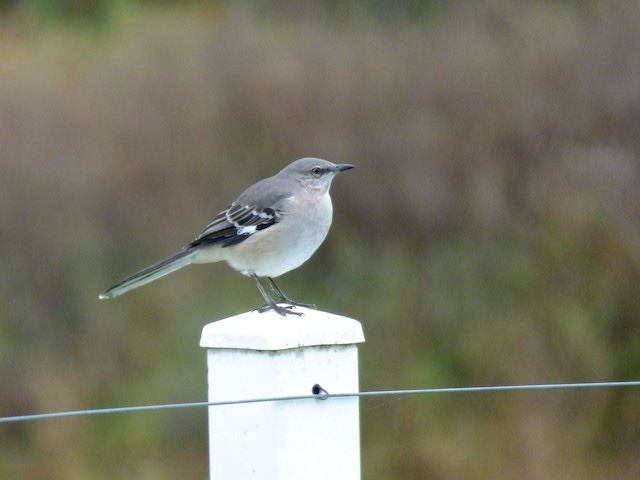
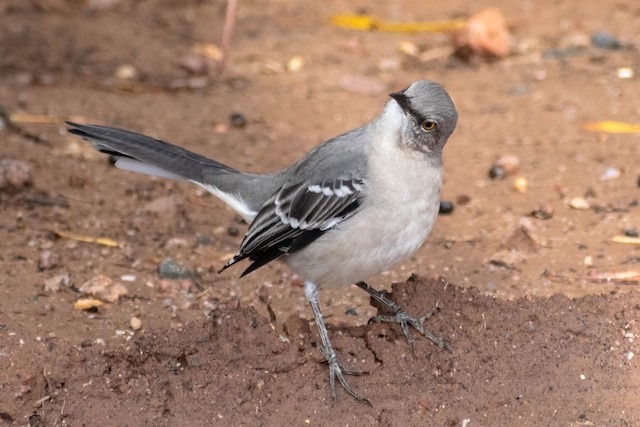
northern mockingbirds are found in north america, mexico, and small areas in south america. known for their extensive ability to mimic, mockingbirds can produce sounds of other birds, car alarms, animal sounds, and more. mockingbirds are frequently seen in urban habitats like parks.
the eclectus parrot is a medium-sized parrot species native to australia, new guinea and the solomon islands.
the most well-known attribute of the eclectus parrot is their pronounced sexual dimorphism. their sex-differentiated plumage is very unusual for birds – typically, males have more vibrant plumage and females have dull plumage. however, eclectus females are bright red with a violet-blue underside, and males are mainly green. at one time, they were thought to be two seperate species – part of the reason why there were very few in captivity for a long time, as there was no breeding program that even had the potential to be successful.
another unusual attribute of eclectus parrots is that they are polygyandrous – both males and females may mate with multiple others during the breeding season, a trait that is very strange for typically monogamous parrots. eclectus parrots build their nests in tree hollows. it’s theorized the bright red of the female eclectus developed so others would see her and not enter the nesting cavity.
eclectus parrots feed mainly off of fruits and berries. seeds are a supplemental part of the diet. eclectus have been known to suffer from nutritional deficiencies in captivity, as they require lots of fresh foods in their diet.
the eclectus parrot is currently rated least concern by the iucn, despite past trapping for the pet trade.
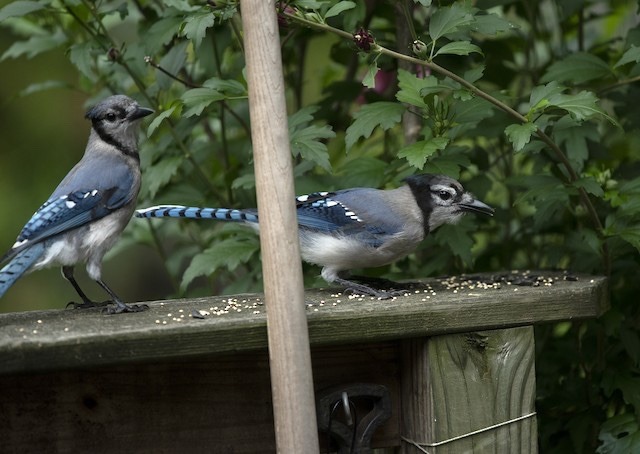
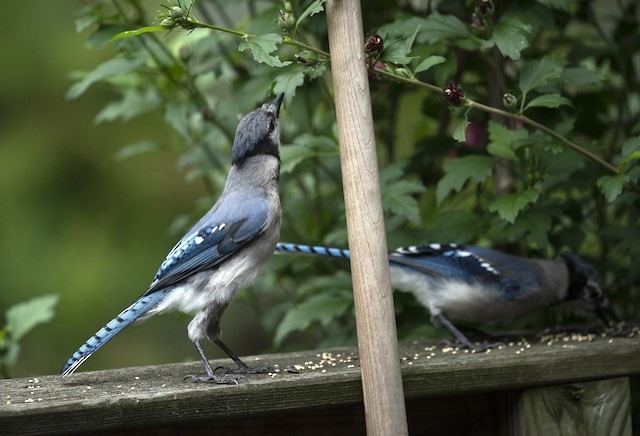
two blue jays investigate a feeding station. native to north america, blue jays are a member of the corvid family, which also includes crows and ravens. the corvid family is known for thee intelligence and recorded tool use in several species.
a ring-billed gull appears to swoop through a rainbow. these gulls are native to the americas. once found mostly by the sea, they have increasingly become adapted to urban environments where they can sustain themselves on human leftovers.
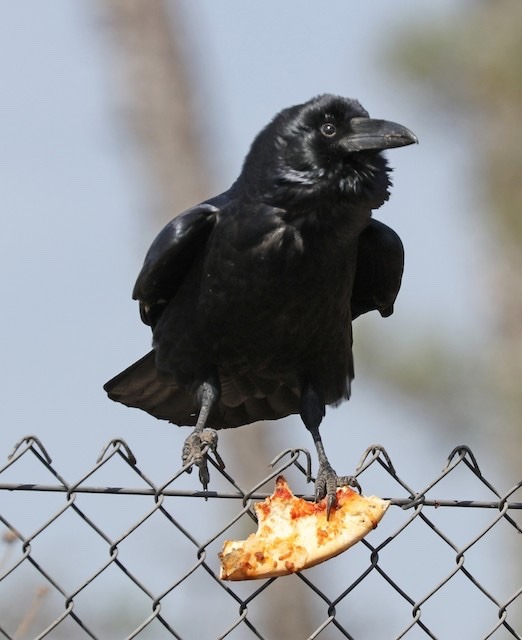
a common raven enjoys a pizza snack. part of what has made ravens and other corvid species so successful in urban environments is their intelligence and adaptability – their willingness to find alternative nesting spots and food they wouldn’t see in the wild.
a feral quaker parrot, naturally found in south america, tries a taste of sunflower. quaker parrots have established themselves throughout the world due to escapes and intentional releases from the pet trade, and some flocks number in the thousands.
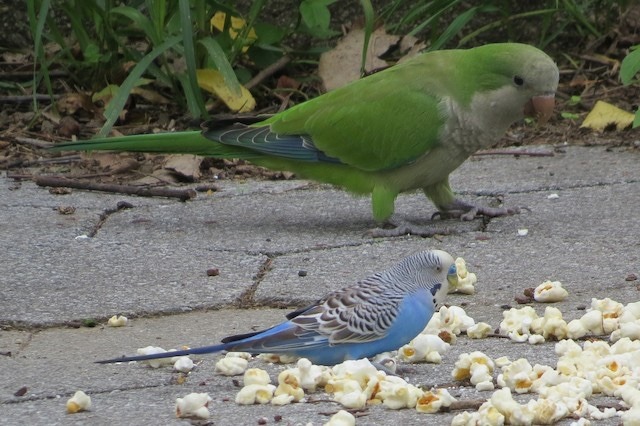
a feral budgerigar and quaker parrot feed alongside each other on spilled popcorn. through budgerigars are native to australia and quaker parrots are native to south america, both parrots have established feral populations in the united states, and surprise some by being commonly found in urban environments.
a flock of feral peach-faced lovebirds sits on a roof. native to africa, peach-faced lovebirds have established feral populations in the United States. normally, wild lovebirds are green, but these birds continue to show mutations from captive populations.
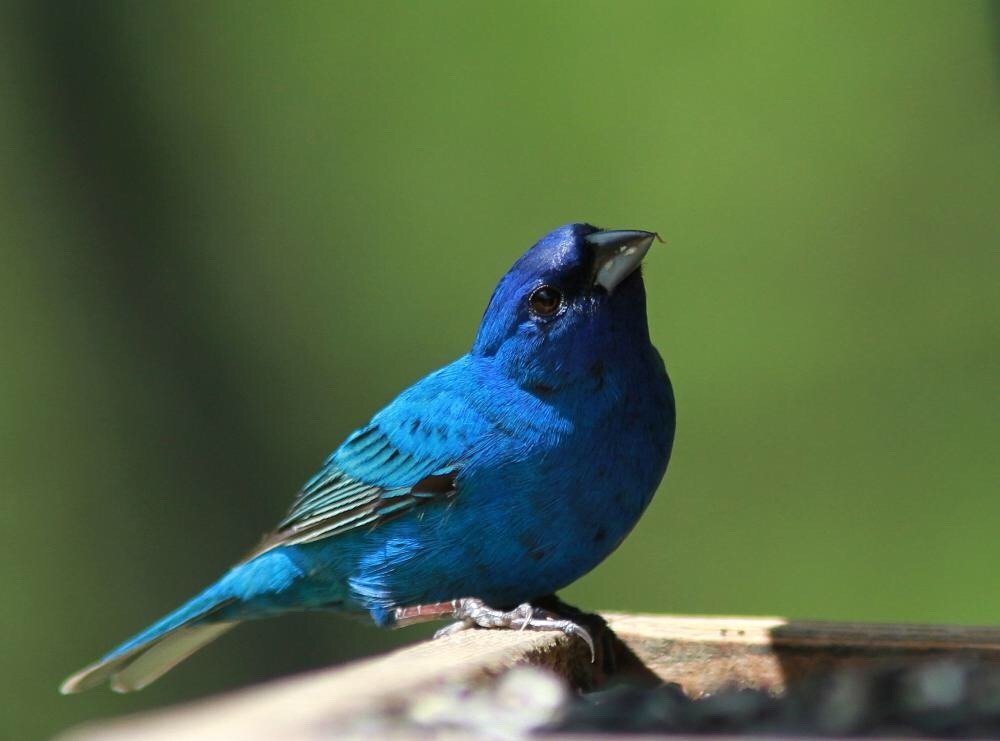
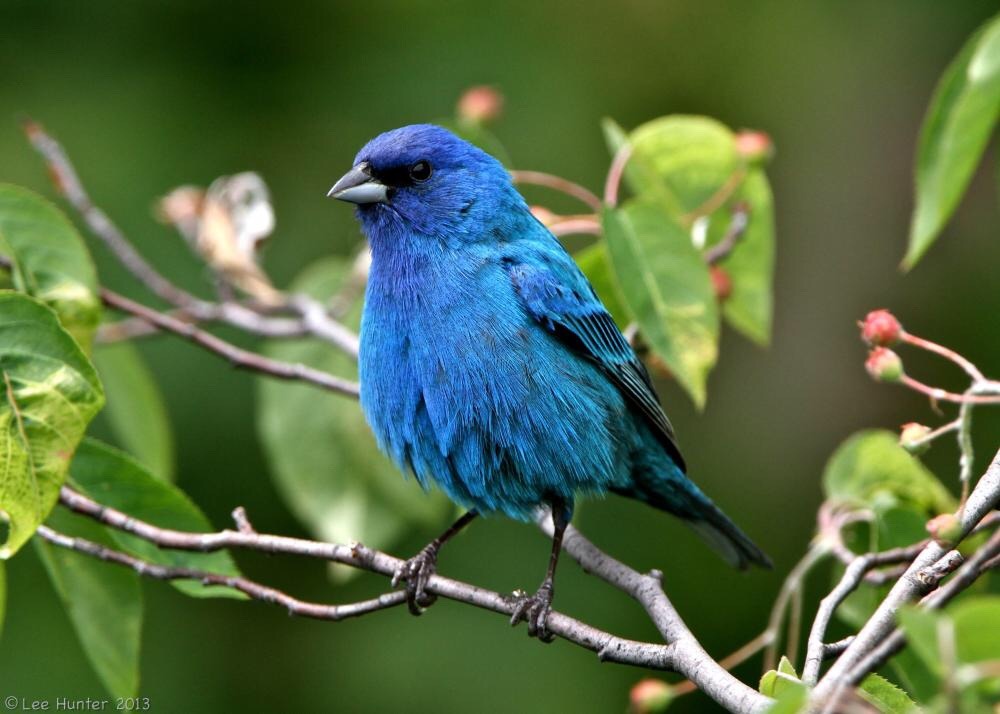
indigo buntings are a small member of the cardinal family found in north america (and south america during the winter). in fall and winter, the male and female buntings look the same, but in spring males molt into striking blue plumage.
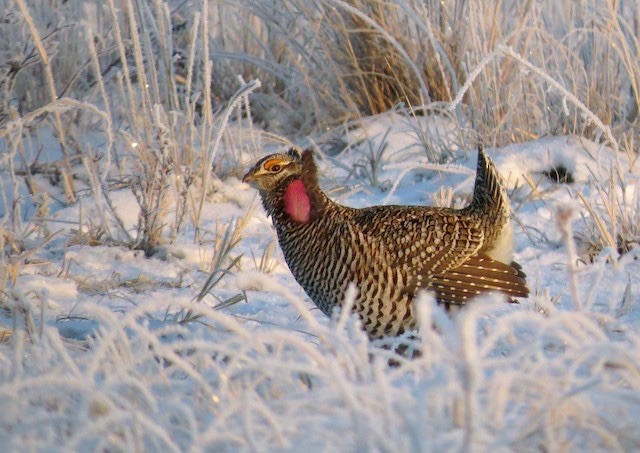
an unusual but natural hybrid between a sharp tailed grouse and a greater prairie chicken. despite the confusion of the names, sharp-tailed grouse are also considered prairie chickens, and both species are members of the grouse family.






 today's bird