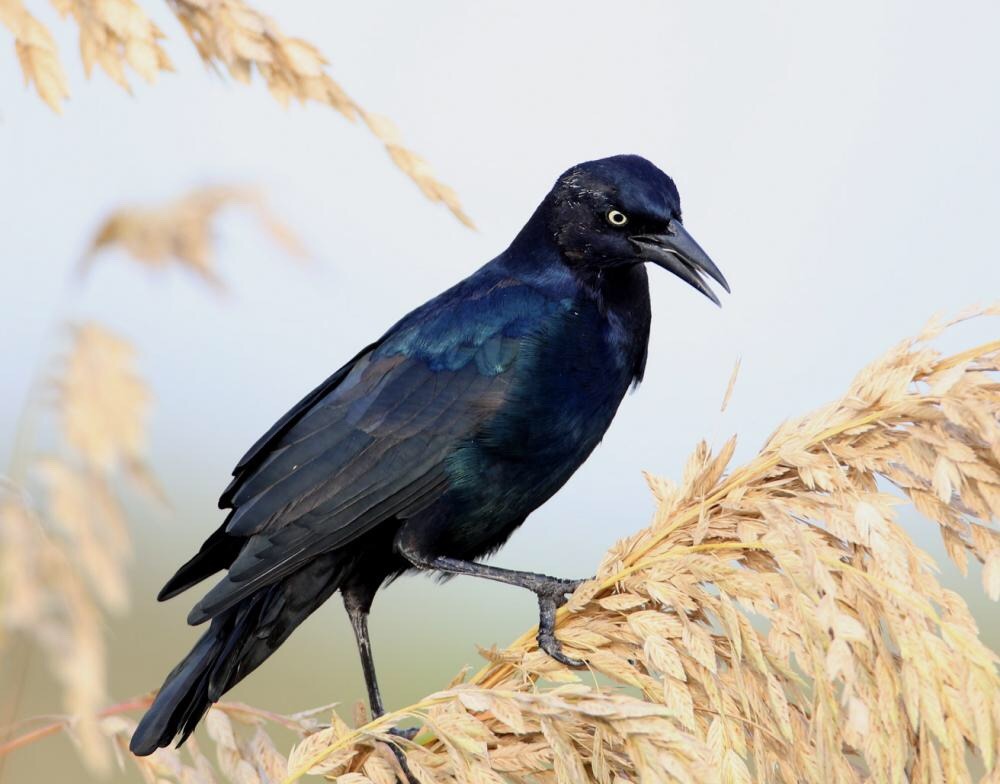
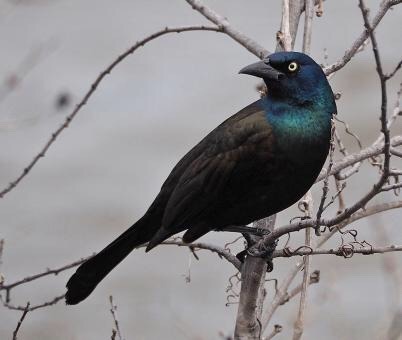
some detest common grackles due to their loud calls and crop raiding, but others love them due to their intelligence and the male’s vibrant iridescent plumage.
(x)
some detest common grackles due to their loud calls and crop raiding, but others love them due to their intelligence and the male’s vibrant iridescent plumage.
(x)
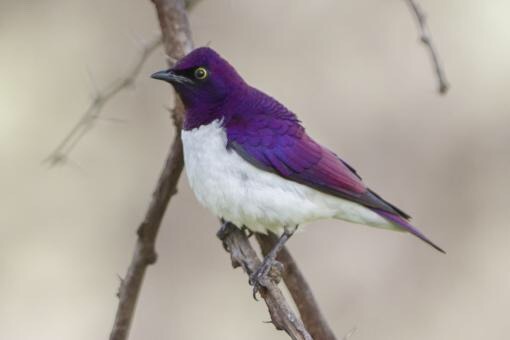
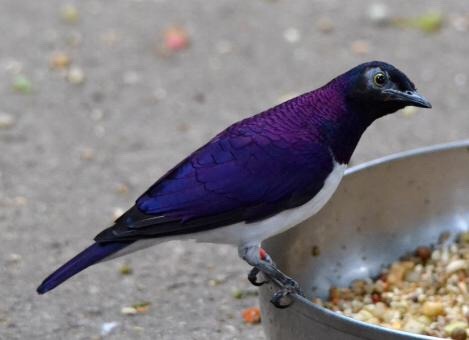
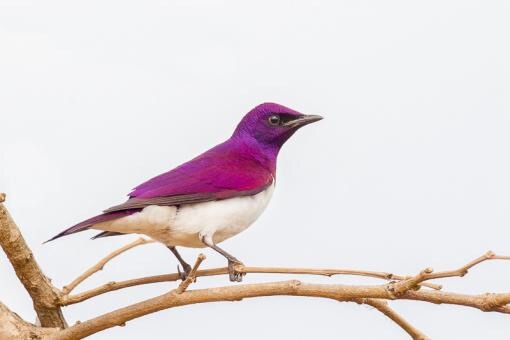
the violet-backed starling is a member of the starling family, native to africa. males’ uppersides are iridescent, displaying as deep purple or pinkish purple depending on the light.
(x)


resplendent quetzals are a member of the trogon family, native to south america. males are known for their bright plumage and incredibly long tail.
(x)
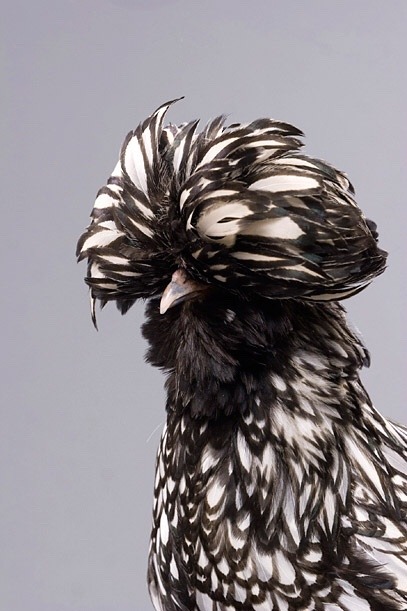
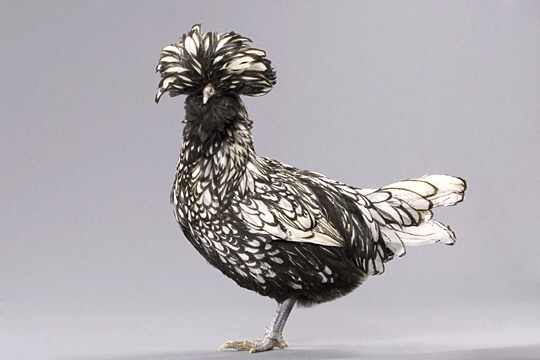
this is a silver laced polish chicken. this breed is known for being docile and friendly, though their extravagant feathers can cause vision problems. silver is one of many colors that polish chickens can be found in.
(x)

the eurasian magpie is a member of the corvid family, with a large range and familiarity with people in urban environments.
eurasian magpies are highly regarded for their intelligence. magpies have been observed using tools, caching food and remembering its location months later, and recognizing themselves in mirrors. their intelligence has been compared to that of great apes.

some view the magpie’s coloring as bland; as from some angles, it is only black and white, which some find uninteresting. however, in the right light, large patches of the bird’s body are iridescent and appear shades of metallic blues and greens.


magpies were originally known only as ‘pies’, thought to be derived from ‘pied’ in reference to the bird’s markings. ‘mag’ was tacked on in the 16th century as a short version of ‘margaret’, which was not only a name but used to refer to women in general; it was used as a derogatory reference to ‘women’s chatter’. ironically, magpies have fantastic mimicry ability, and have extensive ‘vocabularies’ – they can mimic dogs, birds of prey, wildlife, and even human speech.

magpies feed off of insects, small animals & birds (as well as their eggs), fruit, plant matter, and acorns. in urban areas they sometimes scavenge for human leftovers. some believe magpies decimate local bird populations, but no scientific proof has been found indicating magpies are a major threat to other birds.

magpies are intensely protective of their nestlings, which has sometimes led to them being branded as aggressive or mean. magpie offspring are poor fliers even after leaving the nest, and their parents have good reason to worry; researchers found only 22% of young magpies make it to their first birthday.


eurasian magpies are currently rated least concern by the iucn. they have managed to hang on well even with increasing development; hopefully these smart birds continue to adapt and survive.
source: (x)

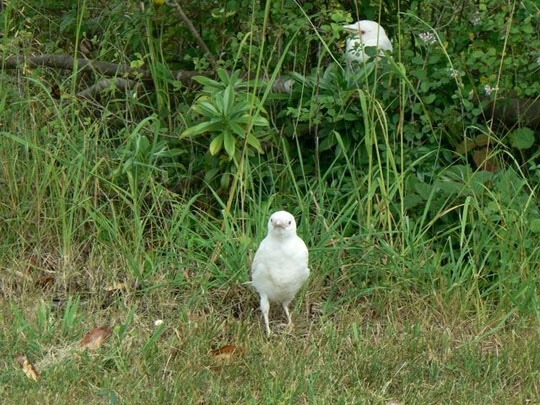
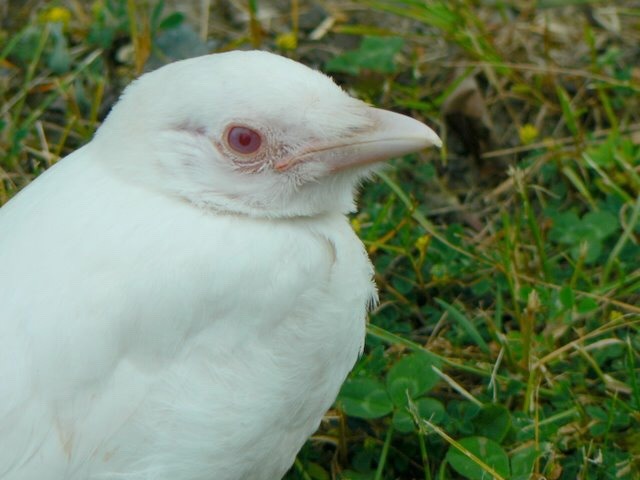
these albino crow fledglings were spotted in canada. while small white patches on crows are somewhat common, true albinism is rare. it’s rarer still that the birds make it to adulthood – their plumage puts them at a risk for predation, and gives them a likelihood of becoming outcasts in the flock.
source: (x)

ice pigeons are a fancy pigeon breed named for their coloration. this is an old breed – charles darwin participated in breeding new color varieties of ice pigeon.
source: (x)
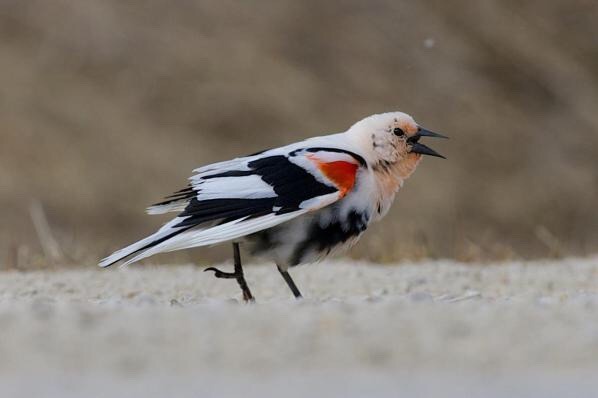
this is a red-winged blackbird with leucism. typically, the bird has no white on the body, and is entirely black except for the small patch of color on the shoulder. leucism is a genetic mutation that results in a lack of pigmentation.
source: (x)
 today's bird