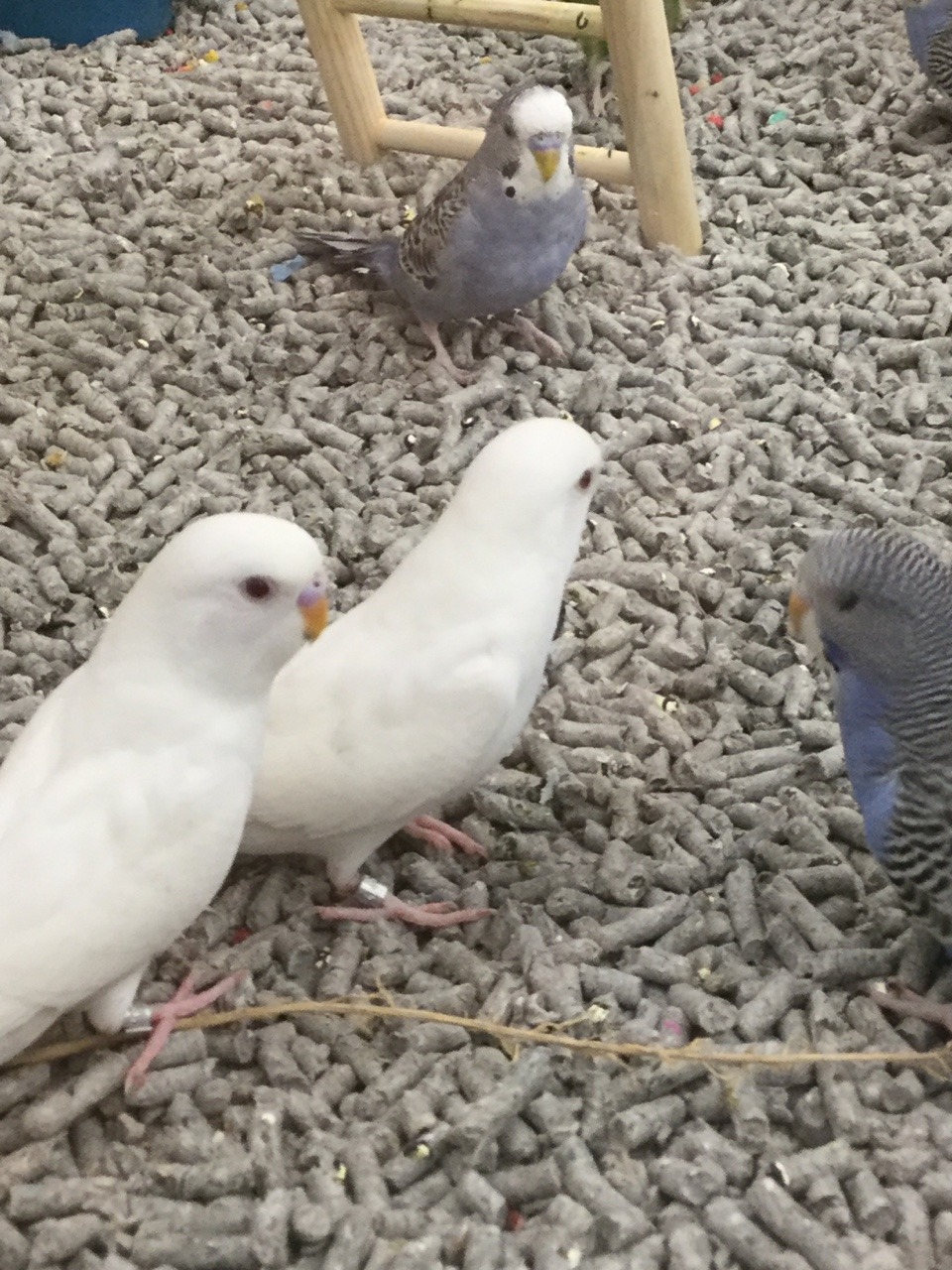
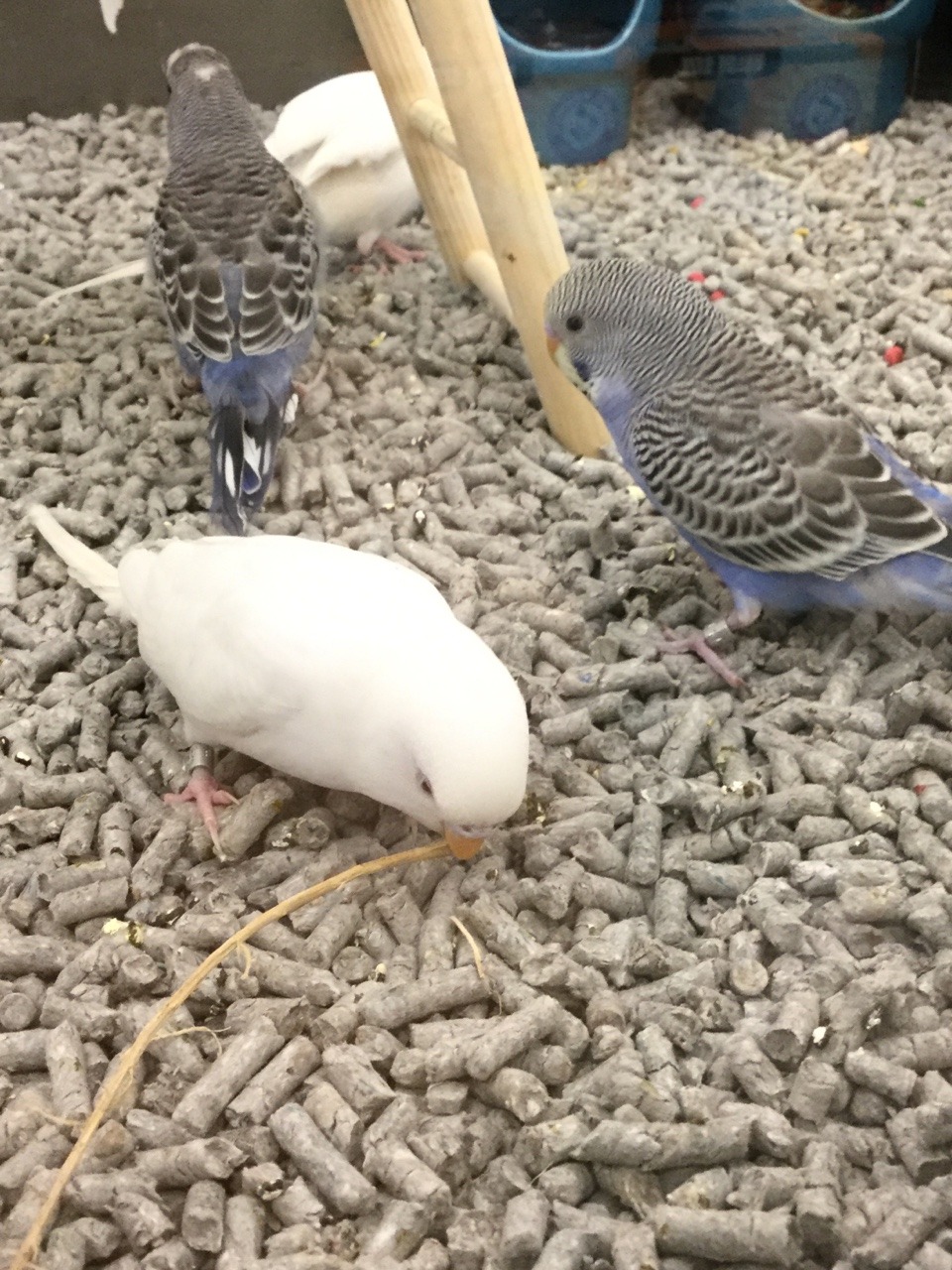
todays birds are: these budgies!
todays birds are: these budgies!


though many of us consider budgerigars just as domestic as a cat or dog, they have retained many of their wild traits – some escaped or released pet budgies have even formed their own feral colonies. in the wild, budgies mainly eat grass seeds, and forage in grasslands. they are highly social, and travel in large flocks, sometimes numbering in the thousands.
(x)


a feral quaker parrot, naturally found in south america, tries a taste of sunflower. quaker parrots have established themselves throughout the world due to escapes and intentional releases from the pet trade, and some flocks number in the thousands.
(x)

an escaped fancy pigeon walks down the street. though pet pigeons come in many shapes, sizes, and colors, they are all descended from the gray rock dove.
(x)


the ice pigeon is a fancy pigeon breed that was created several hundred years ago – charles darwin contributed to breeding color variants of the pigeon. they are named for their plumage, which appears ‘icy’ under light.
(x)

todays birds are: this row of chicks!
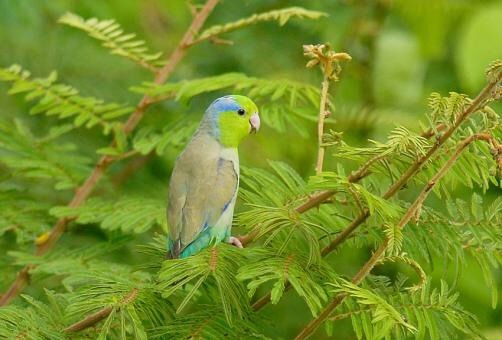
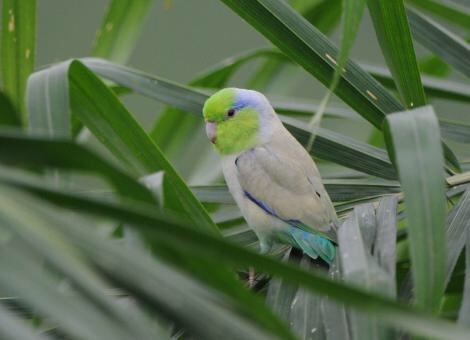
the pacific parrotlet, also known as the lesson’s parrotlet or celestial parrotlet, is a small parrot native to ecuador and peru. they are in the second smallest group of parrots, behind the fig parrots, and are part the smallest new world parrot genus.
pacific parrotlets are sexually dimorphic. males and females are easily distinguished; males have blue feathers on the wing and base of the tail and a small blue stripe behind the eye, whereas females are only green.
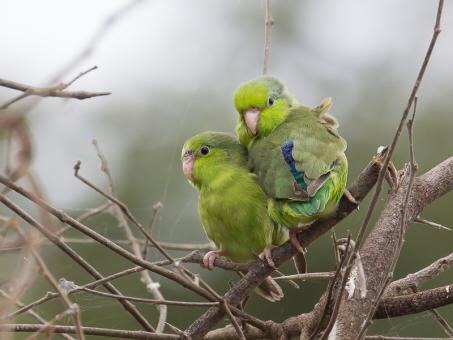
parrotlets feed off of fruit, berries, seeds, and plant matter.
pacific parrotlets are the most common species of parrotlet in captivity. despite being small, they aren’t always recommended as beginner birds as they are known for being temperamental and stubborn.
despite some import for the pet trade and habitat loss, the pacific parrotlet is currently rated ‘least concern’ by the iucn.
source: (x)
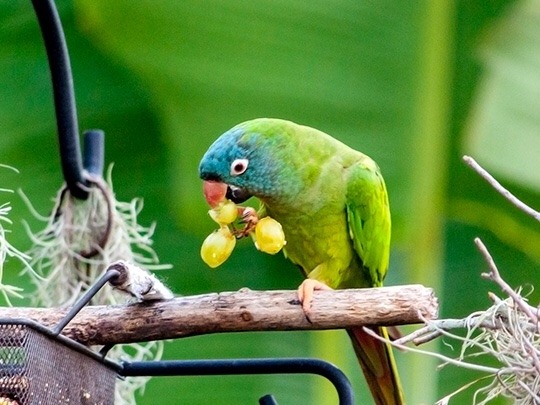
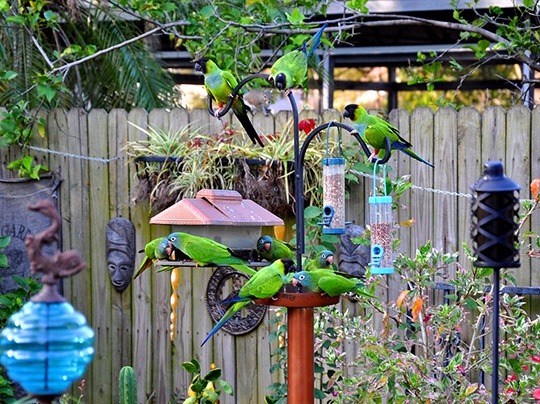
feral blue crowned and nanday conures visit a backyard birdfeeding station in florida. large flocks of feral parrots call florida home. while most escaped or released parrots don’t survive long enough to breed and create flocks, florida provides a warm enough environment with many food sources.
(x)

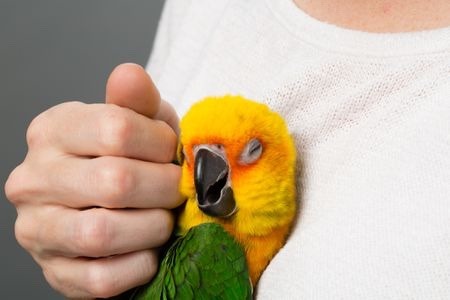
the sun conure, also known as the sun parakeet, is a medium-sized parrot native to a small area of south america.
sun conures are known for being incredibly social, and usually live in flocks of 20-30 birds. when separated from the flock, birds will emit shrill screams until they are reuinited.

sun conures are monogamous, and pairs nest in hollows made in palm trees (in areas where there is lack of appropriate nesting spots, they have also been observed making these hollows in poles supporting power lines).


sun conures have become a relatively popular bird in the pet trade, though they aren’t easy to care for. while they are known for being charismatic and friendly, they also hold a reputation for screaming loudly and sometimes constantly, and being emotionally needy, as their social behavior from their wild flocks translates to social behavior with their designated person.


unfortunately, sun conures are endangered. they have faced population decline from habitat loss, but the main cause is trapping for the pet trade. there are currently more sun conures as pets than there are in the wild.
image sources: (x)

 today's bird