

the ice pigeon is a fancy pigeon breed that was created several hundred years ago – charles darwin contributed to breeding color variants of the pigeon. they are named for their plumage, which appears ‘icy’ under light.
(x)
the ice pigeon is a fancy pigeon breed that was created several hundred years ago – charles darwin contributed to breeding color variants of the pigeon. they are named for their plumage, which appears ‘icy’ under light.
(x)


the bali myna is a small, crested member of the starling family, endemic to bali. the bali myna is critically endangered – it is estimated there are less than 100 left in the wild. there have been attempts to reintroduce birds to the wild, but the mynas fetch high prices in captivity, and they are usually poached.
(x)

todays birds are: this row of chicks!
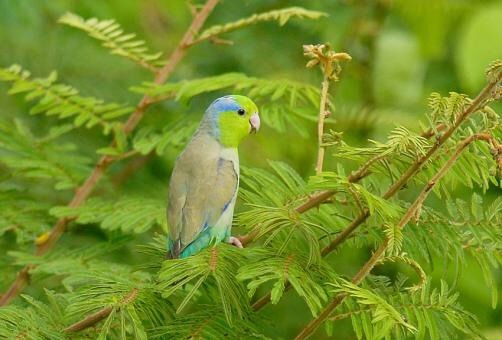
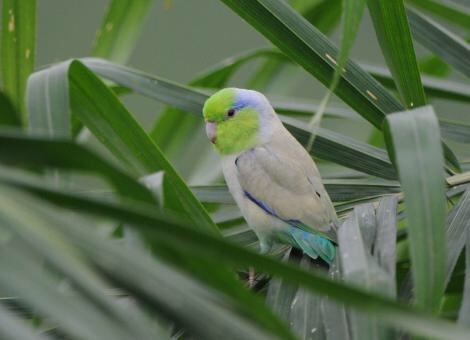
the pacific parrotlet, also known as the lesson’s parrotlet or celestial parrotlet, is a small parrot native to ecuador and peru. they are in the second smallest group of parrots, behind the fig parrots, and are part the smallest new world parrot genus.
pacific parrotlets are sexually dimorphic. males and females are easily distinguished; males have blue feathers on the wing and base of the tail and a small blue stripe behind the eye, whereas females are only green.
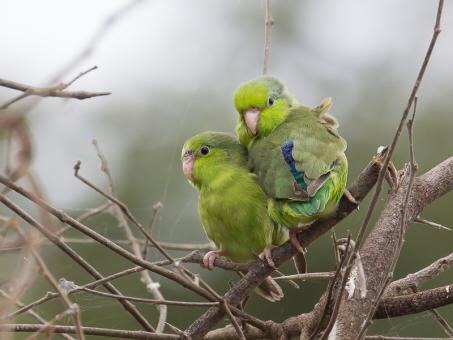
parrotlets feed off of fruit, berries, seeds, and plant matter.
pacific parrotlets are the most common species of parrotlet in captivity. despite being small, they aren’t always recommended as beginner birds as they are known for being temperamental and stubborn.
despite some import for the pet trade and habitat loss, the pacific parrotlet is currently rated ‘least concern’ by the iucn.
source: (x)
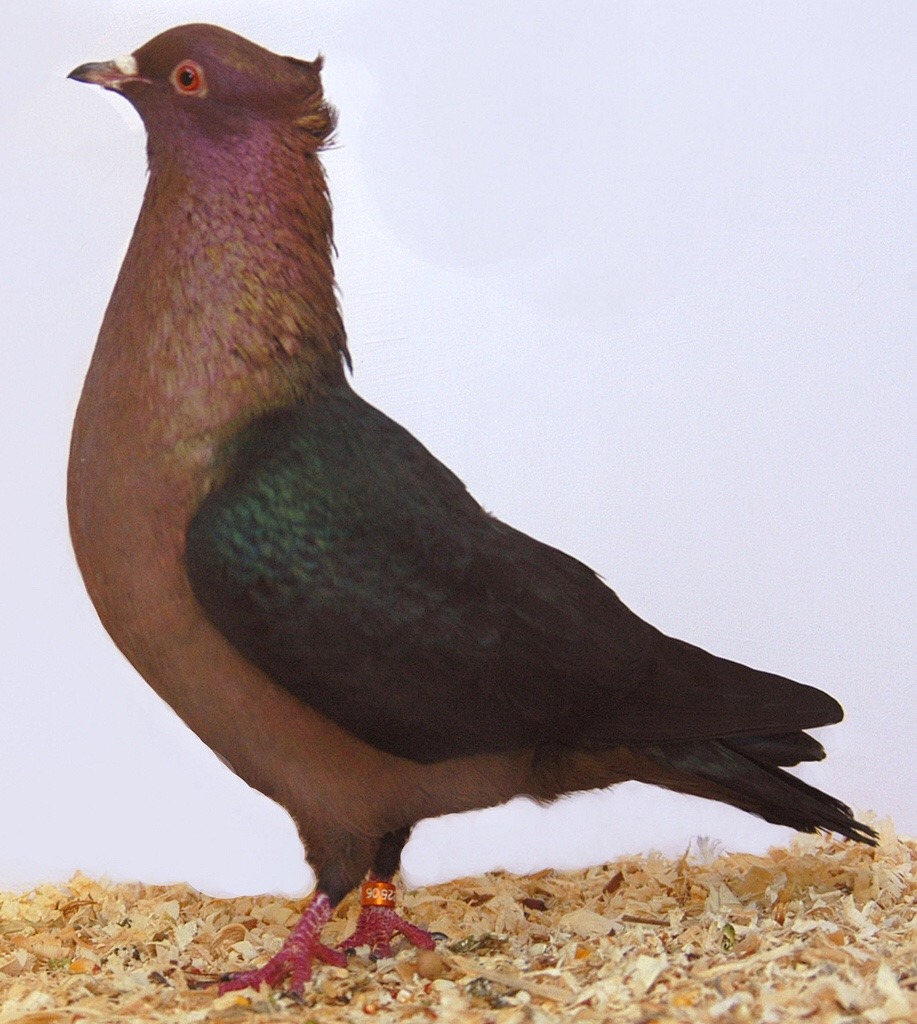
a black-winged copper archangel pigeon poses for the camera. archangel pigeons are bred for appearance, and are known for their highly iridescent plumage.
(x)
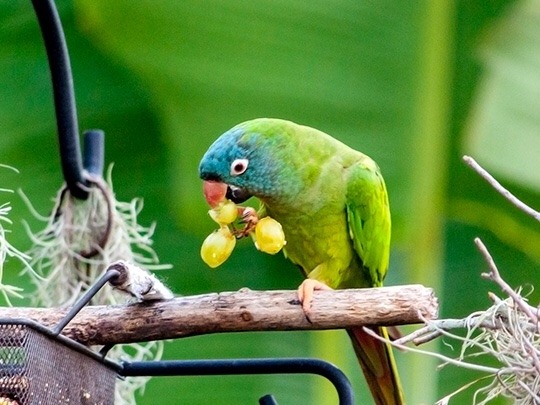
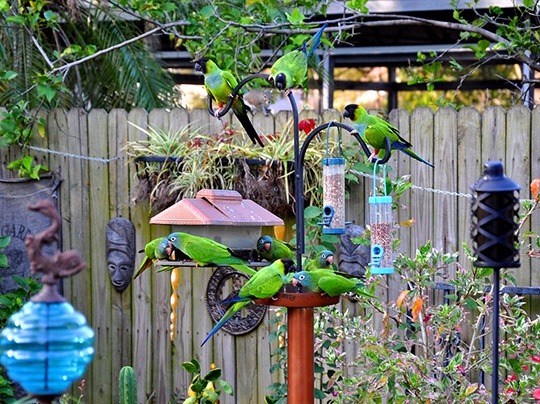
feral blue crowned and nanday conures visit a backyard birdfeeding station in florida. large flocks of feral parrots call florida home. while most escaped or released parrots don’t survive long enough to breed and create flocks, florida provides a warm enough environment with many food sources.
(x)


peach-faced lovebirds are native to africa, but have made themselves at home in phoenix, arizona, after introduction by humans. the lovebirds are frequently observed making their nests in cactuses.
(x)
parrot diet requirements are hotly debated among parrot owners. we all want to do the best for our pets, and nobody wants to do it ‘wrong’. the truth is, we likely will not be able to provide our pet birds with the exact diet they would have in the wild; but we can do our best to match it in terms of nutrition.
before starting a plan for your bird’s diet, research their species’ individual requirements. it’s easy to make a broad statement about what parrots need, but it would be inaccurate, as species have varied dietary needs. for example:
before we go further, let’s stop a common myth: “pellets are a complete diet.” pellets are great, but are not nutritionally complete, and you shouldn’t feed your bird a diet consisting entirely of pellets.
most parrots’ ideal diet contains:
not only are pellets not nutritionally complete, but varying your bird’s food offerings (different preparation methods for veggies and fruits, varied kinds of vegetables) can add mental stimulation and excitement to mealtime.
when buying seeds: please be careful of the brand. kaytee and hartz are notoriously bad brands, and i personally don’t recommend them. NEVER feed wild bird seed – only bird seed specifically for pet parrots. regularly check through your seed to make sure it does not become infested with bugs – keep seed properly sealed to prevent this. seed mixes should not contain a high percentage of unhealthy seeds like sunflower seeds or millet – these are okay as treats, but not as a diet staple.
don’t feed vegetables or fruit you wouldn’t eat yourself. that means no moldy or unwashed food. also be careful – some fruits and veggies, including avocado, are highly toxic to birds. you can find a list of non-toxic and toxic fruit and veggies here.
do not feed grit to parrots. grit can cause crop impaction and is not necessary for their diet.


Today’s bird: Calypso, domestic pigeon
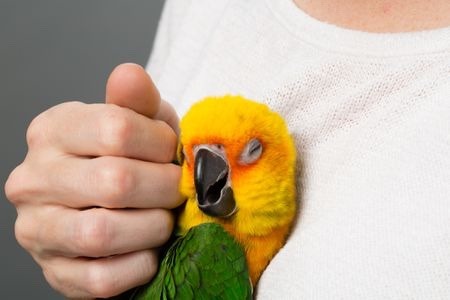
 today's bird