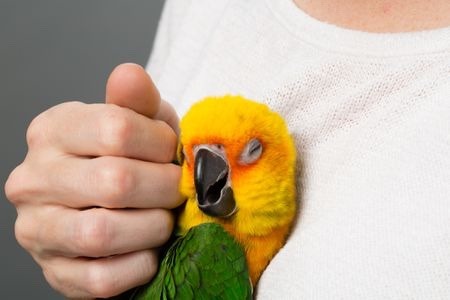
it really bothers me that i see cute animal lists all the time and i NEVER see parrotlets. they have giant fluff cheeks and can fit in your hand and they are perfect in every way imaginable. anyway here are some parrotlets


(x)
it really bothers me that i see cute animal lists all the time and i NEVER see parrotlets. they have giant fluff cheeks and can fit in your hand and they are perfect in every way imaginable. anyway here are some parrotlets
(x)
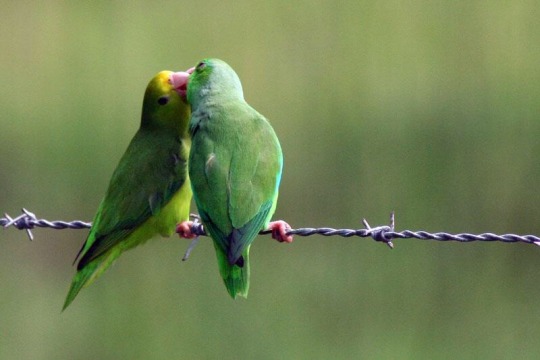
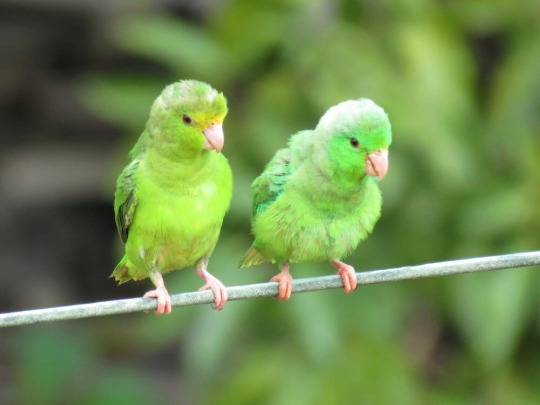
humans are not the only ones capable of giving and recognizing names -researchers have found parrots can as well. parrots are given distinct vocalizations as names – it’s believed their parents name them – and keep these names for life. they learn the names of others in their flock, and use them in ‘conversation’ with others.
(x)
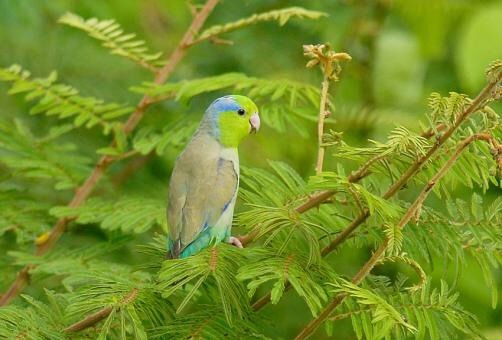
the pacific parrotlet, also known as the lesson’s parrotlet or celestial parrotlet, is a small parrot native to ecuador and peru. they are in the second smallest group of parrots, behind the fig parrots, and are part the smallest new world parrot genus.
pacific parrotlets are sexually dimorphic. males and females are easily distinguished; males have blue feathers on the wing and base of the tail and a small blue stripe behind the eye, whereas females are only green.
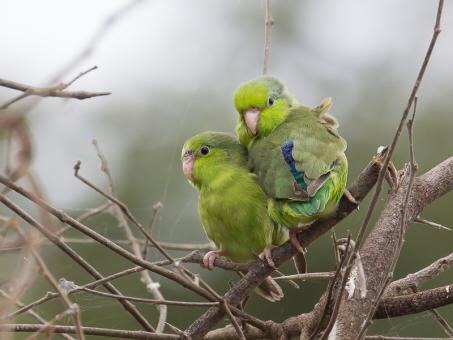
parrotlets feed off of fruit, berries, seeds, and plant matter.
pacific parrotlets are the most common species of parrotlet in captivity. despite being small, they aren’t always recommended as beginner birds as they are known for being temperamental and stubborn.
despite some import for the pet trade and habitat loss, the pacific parrotlet is currently rated ‘least concern’ by the iucn.
source: (x)
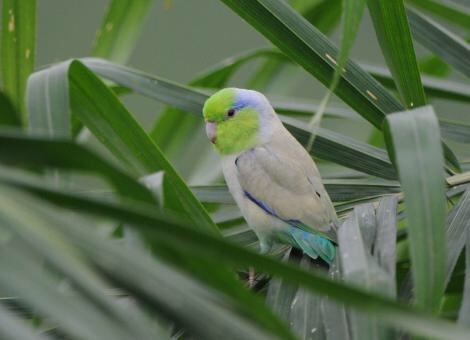
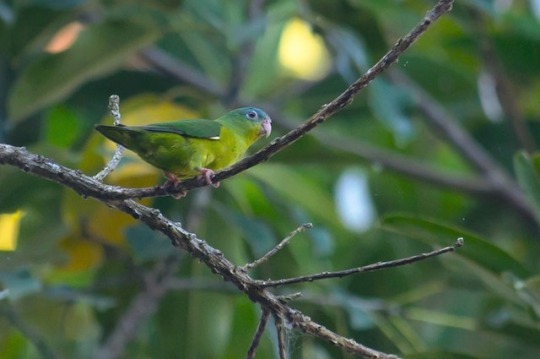
the amazonian parrotlet, also known as the manu parrotlet, is a small parrot native to the amazon.
the amazonian parrotlet was only discovered in the 1970s, and little research has been done on them. they are somewhat elusive and hard to spot, and frequently are found mixed in with other species of parrotlet or larger birds.
the amazonian parrotlet is known to feed off of mainly bamboo seeds.
unlike some other species of parrotlet, the amazonian parrotlet is not sexually dimorphic – or, the current research, which has lacking, has not identified any differences between male and female plumage yet.
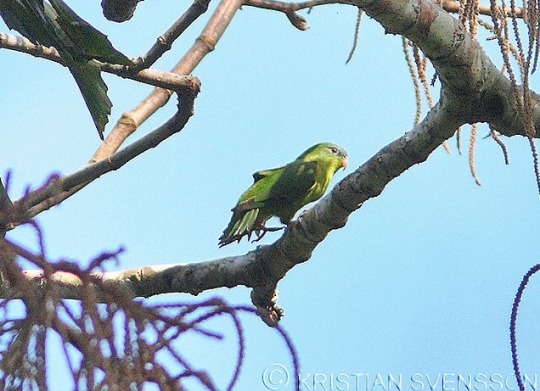
due to how little is known about the amazonian parrotlet, it’s hard to know whether or not they have a healthy population or if they are being affected by habitat loss or trapping, like many other species in their range.
source: (x)
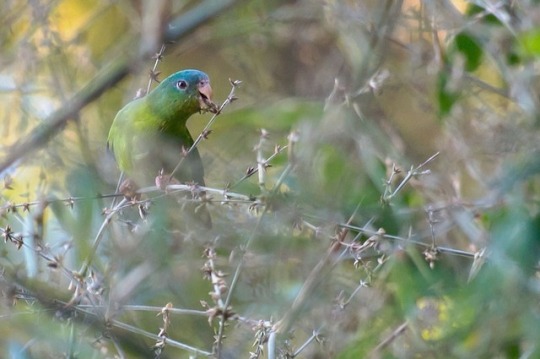


todays birds are: these pacific parrotlets!

todays bird is: ari the parrotlet!

todays bird is: daenerys the parrotlet!

todays bird is: ari the parrotlet!
 today's bird