


this is spangles, a half-sider budgie. half-siders result when two fertilized eggs merge in development, leaving a bird with a body composed of two fraternal twins.
source: (x)
this is spangles, a half-sider budgie. half-siders result when two fertilized eggs merge in development, leaving a bird with a body composed of two fraternal twins.
source: (x)

this lovebird is known as a ‘half-sider’ or tetragametic chimera. half-siders result when two fertilized eggs merge early in development, leaving each half of the body genetically seperate.


this chick with four legs was discovered by a farmer in brazil, mixed in with normal siblings. this rare mutation is theorized to be the result of inbreeding in domestic chickens.
source: (x)

this blue jay has a strange unknown mutation that has affected the feathers on the face, crest, and neck.


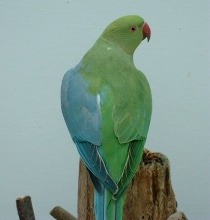
this bird is a ‘half-sider’ indian ringneck parakeet. half-siders cannot be intentionally bred; they are the result of two fertilized eggs merging early in development.
source: (x)


this bird is a malachite kingfisher that is unusually pale due to leucism, a genetic mutation that results in a lack of pigmentation. (x)
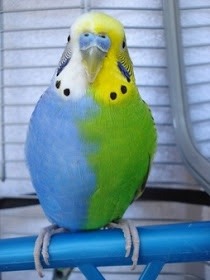
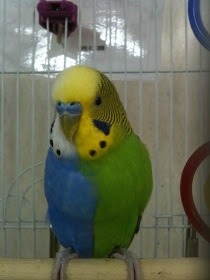
this is twinzy, a ‘half-sider’ budgie. twinzy is the result of two fertilized eggs merging during development.
source: (x)

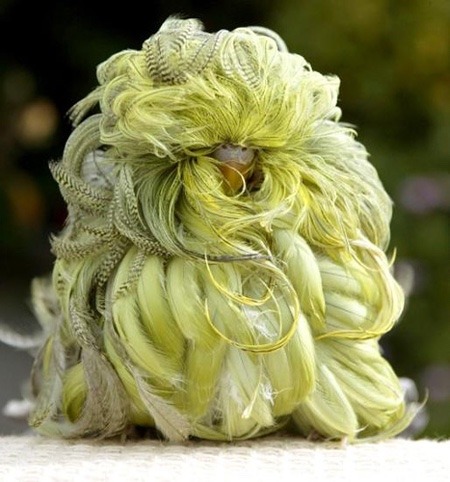
this is whipper, a feather duster budgie. feather duster syndrome is a rare genetic mutation that causes uncontrollable growth of curly feathers, and is often ultimately fatal, as the birds cannot eat enough to maintain the energy needed for such growth. whipper, however, has been alive for several years, despite also having stubby wings that make it impossible to fly, and being blind. not much is known about this mutation, but it is suspected it resulted from inbreeding in english budgies.
source: (x)
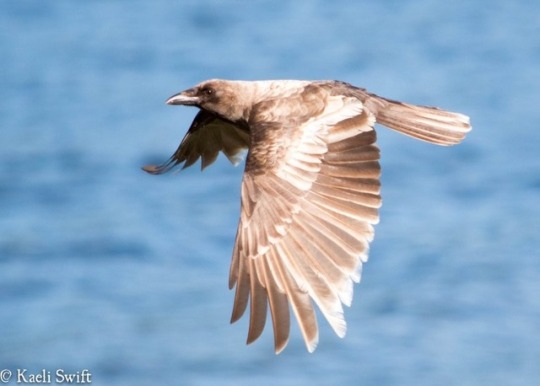
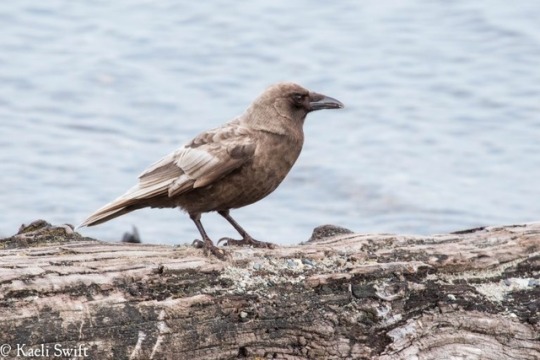
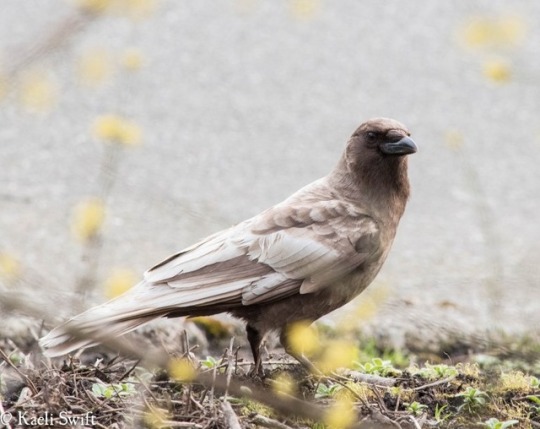
this is an american crow with leucism. leucistic animals do not produce enough pigmentation, but produce enough to not be considered albino.
source: (x)
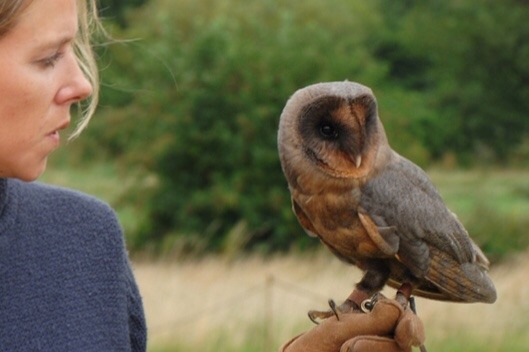
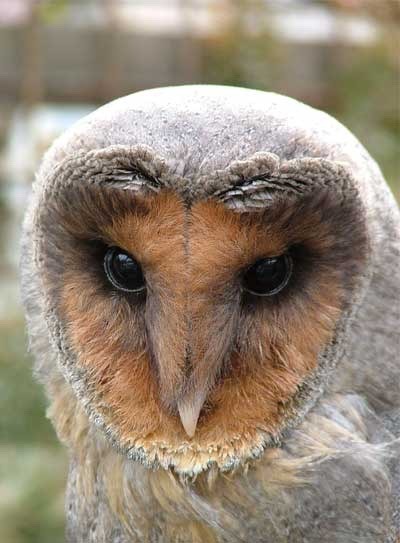
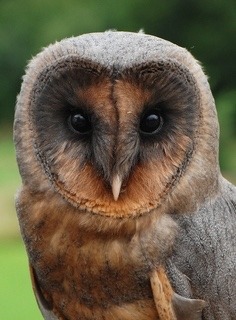
this is ashley the barn owl. ashley is melanistic, which means his body produces too much black pigment – the opposite of albinism.
source: (x)
 today's bird