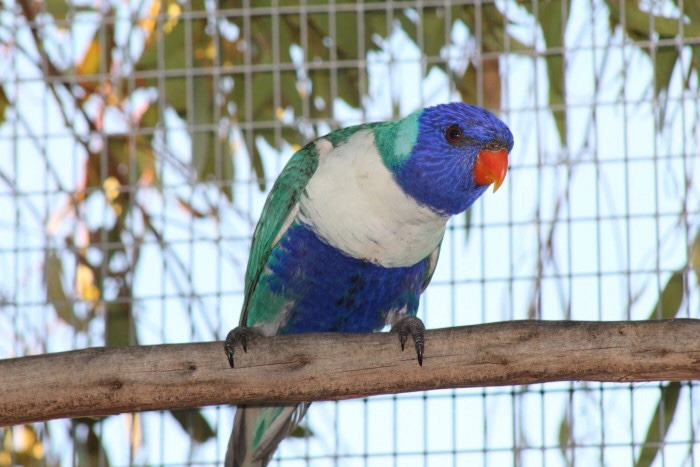
this is a rainbow lorikeet with the rare blue mutation. normally, these birds are mainly green. this mutation is so rare it is only kept by breeders as of 2018.
source: (x)
this is a rainbow lorikeet with the rare blue mutation. normally, these birds are mainly green. this mutation is so rare it is only kept by breeders as of 2018.
source: (x)
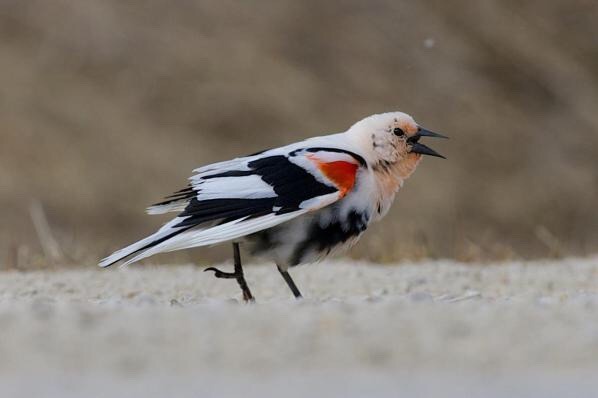
this is a red-winged blackbird with leucism. typically, the bird has no white on the body, and is entirely black except for the small patch of color on the shoulder. leucism is a genetic mutation that results in a lack of pigmentation.
source: (x)
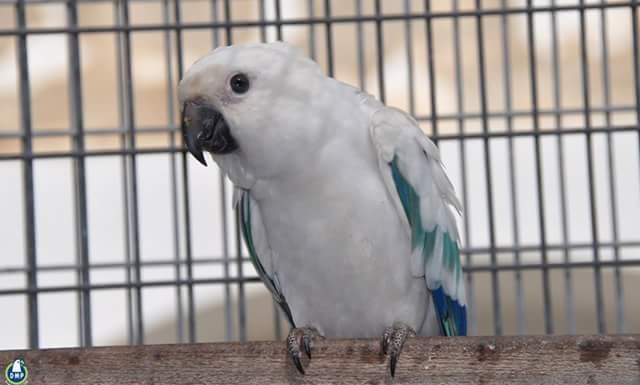
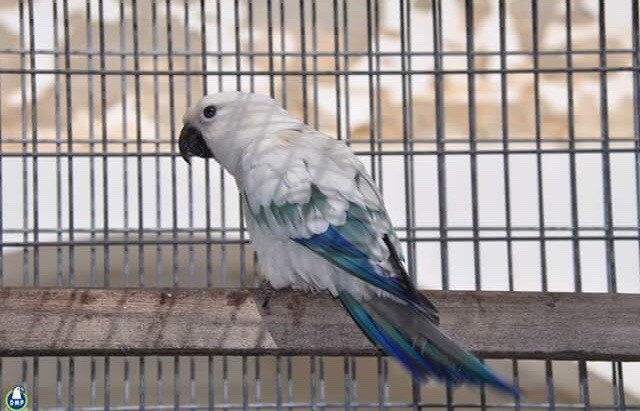
this is a rare blue mutation sun conure. sun conures are typically known for their orange and yellow hues with green accents, but this bird, produced through captive breeding, is an exception.
source: (x)


“forzie” the chicken was born with two extra legs, a rare mutation that is most commonly seen in domestic fowl. it is suspected inbreeding may contribute to these mutations. forzie unfortunately did not live to adulthood due to complications with his body.
source: (x)

this newspaper clipping from 1962 shows a pigeon born with two extra legs. it’s surprising this bird made it to adulthood, as often birds with extra legs also have lots of health issues.
source: (x)
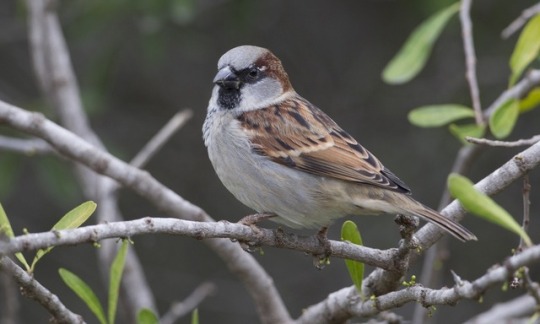
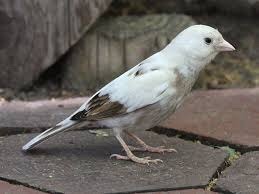
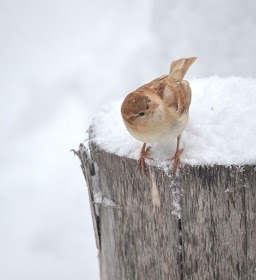
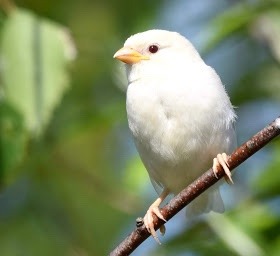
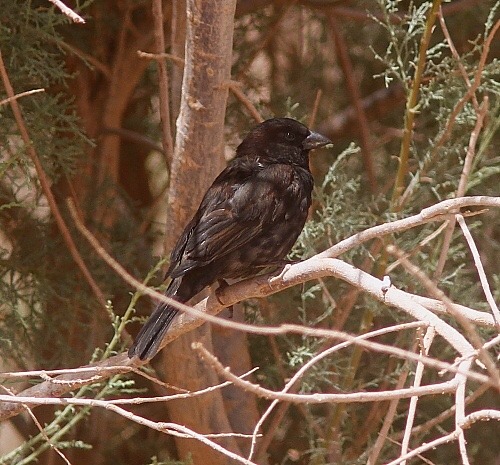
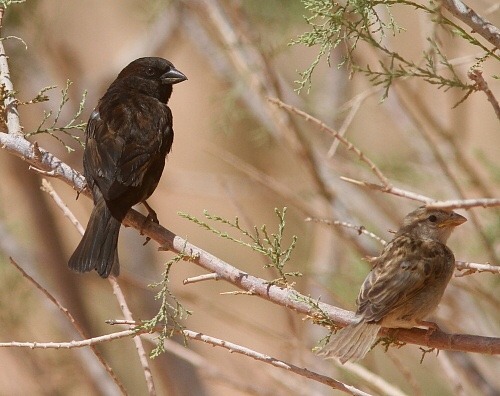
1. house sparrow with regular coloration
2. pied house sparrow (partial leucism)
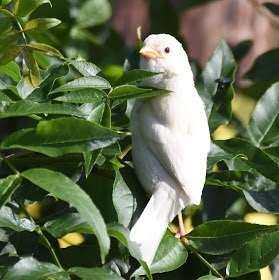
3. “blonde” house sparrow (leucistic)
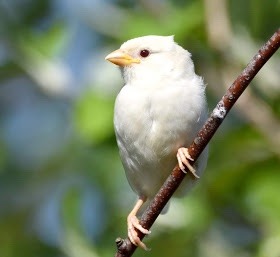
4. albino house sparrow
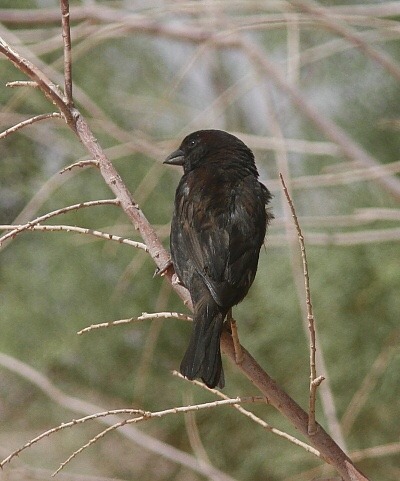
5. melanistic house sparrow
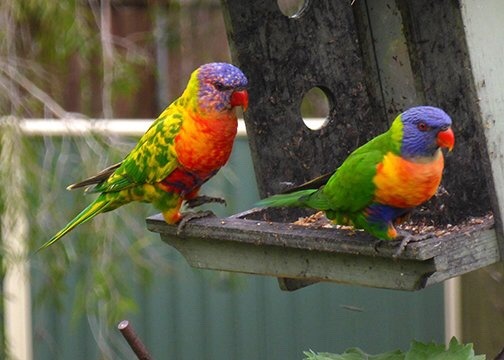
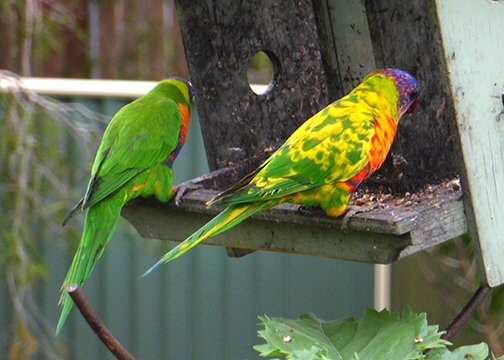
this unusually colored rainbow lorikeet was spotted at a feeder in australia. rare even in captivity, this mutation is usually referred to as ‘pied’, and is a surprise to see in the wild.
source: (x)


this is a blue-fronted amazon with an unusual color mutation, sometimes called ‘red’ or ‘chocolate raspberry’. these parrots are rare and expensive, despite their breeding coming under some criticism. these parrots have never been seen in the wild with this mutation, and even in captivity they are rarely available to the public.
source: (x)
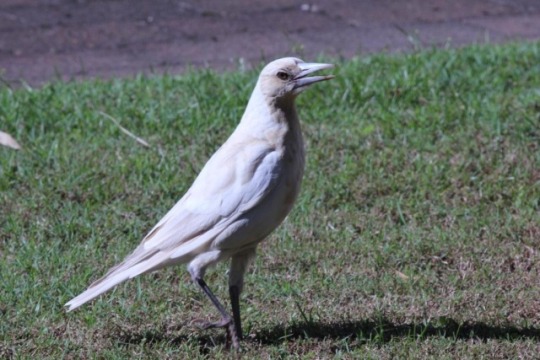
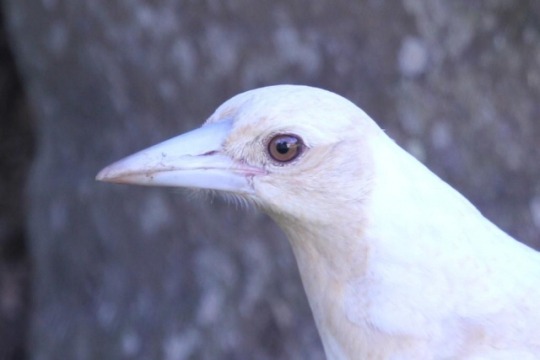
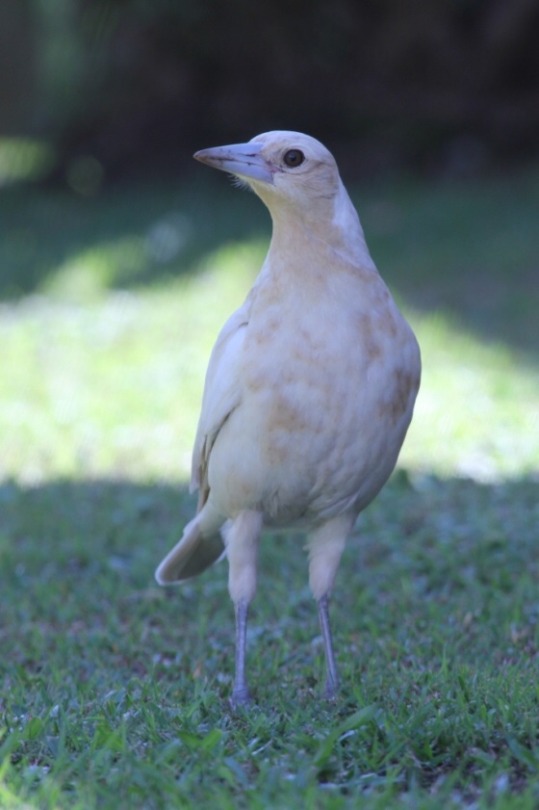
this australian magpie is an unusual color mutation that makes it appear very different than most magpies. a color mutation sometimes called ‘cinnamon’ due to the look of the bird’s coloration, it results from leucism, a lack of pigmentation.
source: (x)
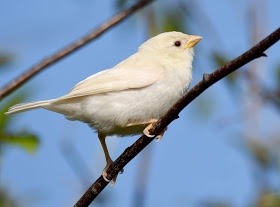
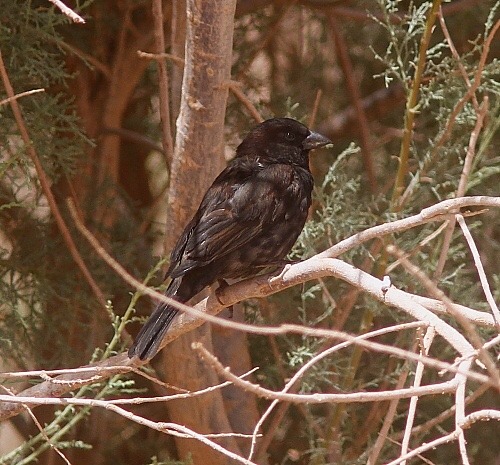
 today's bird