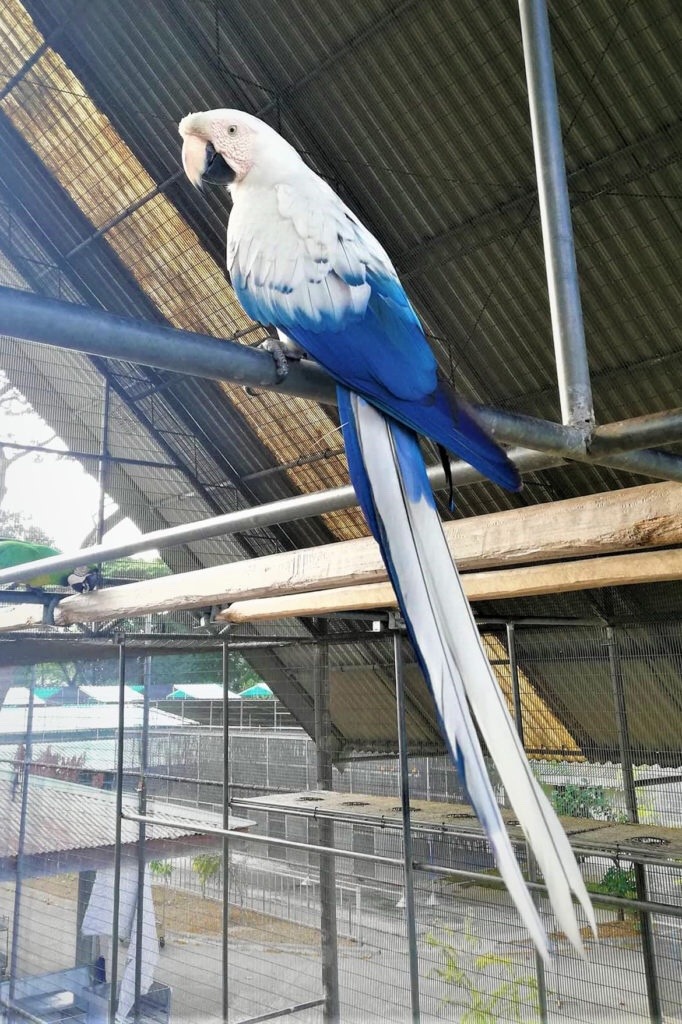
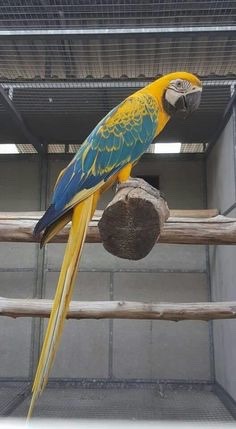
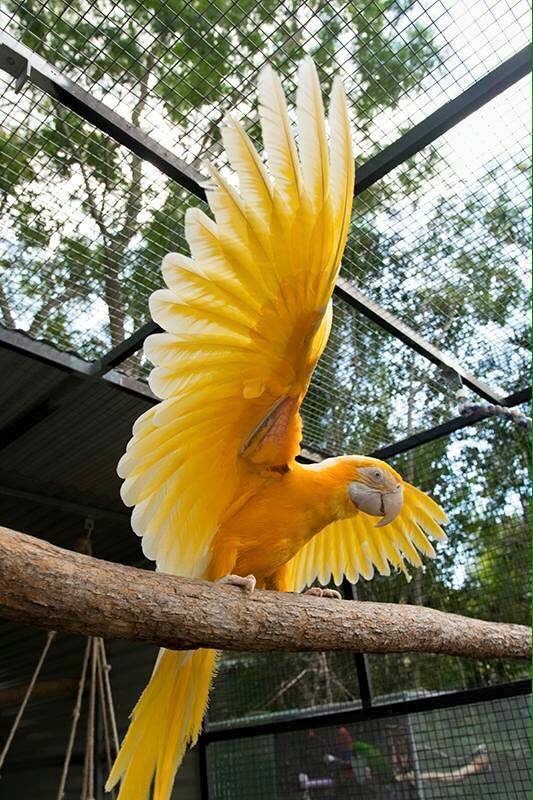
this is a blue mutation scarlet macaw. these macaws are rare in captivity, and the mutation has never been seen in the wild; they are somewhat controversial, as the mutation results from extensively managed breeding that likely included some inbreeding.
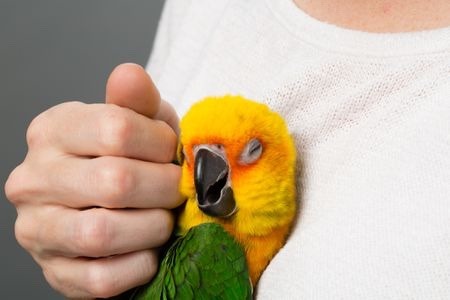
mitred conures are native to south america, but in the early 2000’s they established themselves in california. it’s uncertain how the birds arrive – theories range from a pet store fire that led to escaped birds to a dropped wild bird shipment in an airport – but it seems they are here to stay, as their numbers have rose from 50 in 2000 to 200-300. the biggest populations of the birds are in san francisco and los angeles. the birds even starred in the documentary “the wild parrots of telegraph hill”. there has been little evidence to show impact on native species (the conures tend to feed off of nonnative plants), and they are well loved by many locals.
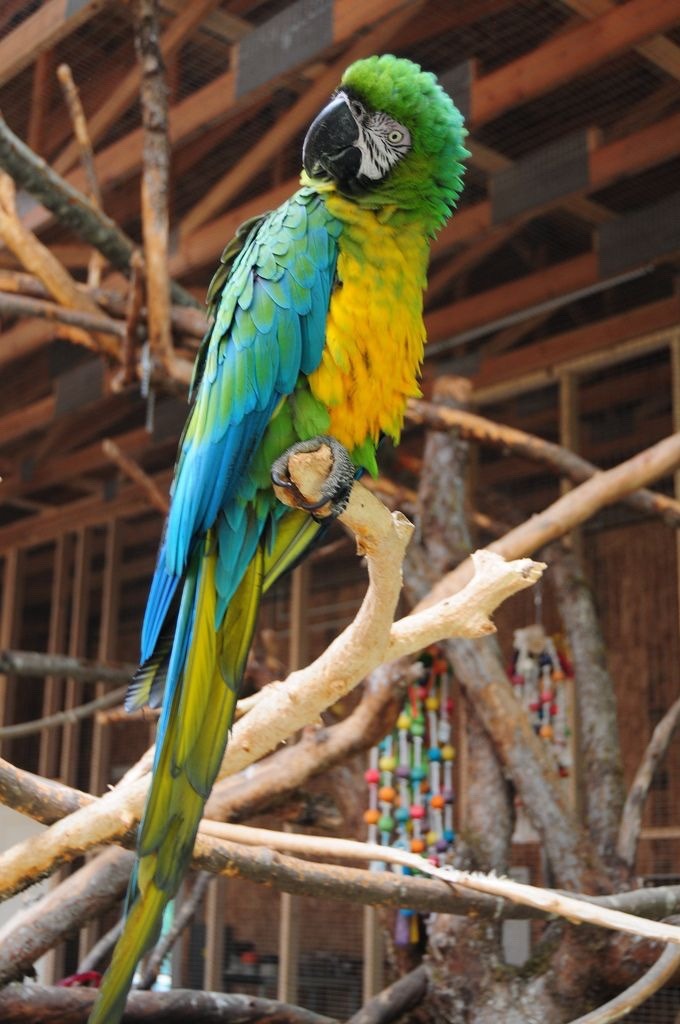
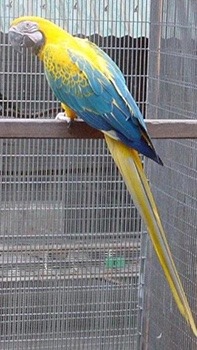
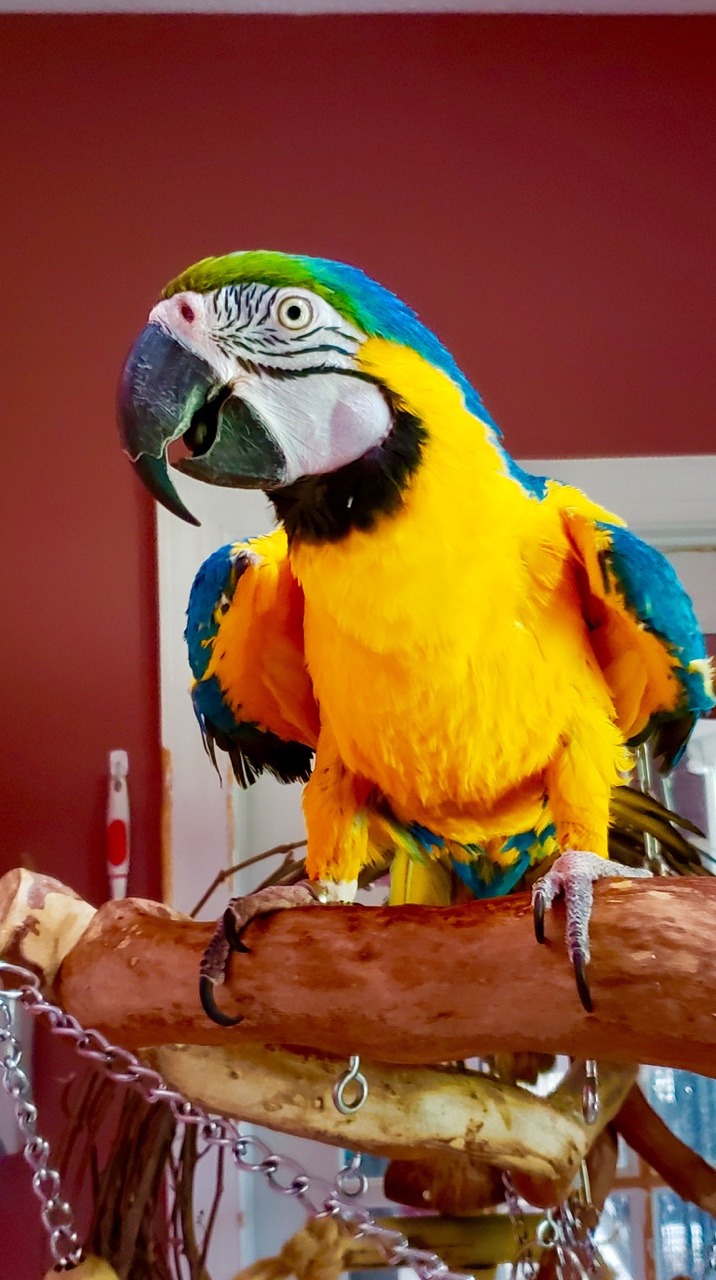
this beautiful bird is a hybrid between a blue and gold macaw and a military macaw. these hybrids are sometimes referred to as miligold macaws. thesehybrids are not naturally occurring, but often fetch high prices in the pet trade. they are somewhat controversial, as there are concerns about the health of the hybrids, as well as contamination of the limited captive macaw gene pool.
much like humans blush due to certain stimuli like excitement, macaws’ bare facial patch flushes pink when they are excited, surprised, or sometimes territorial. all parrots blush, but it cannot be seen under their feathers.
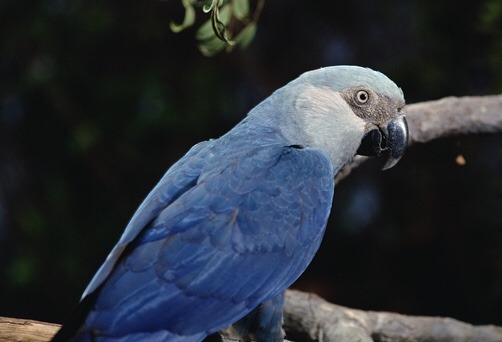
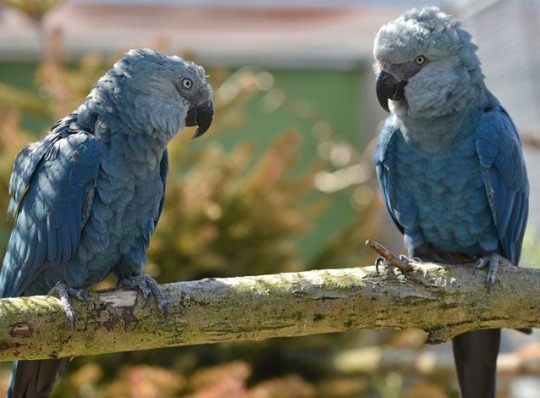
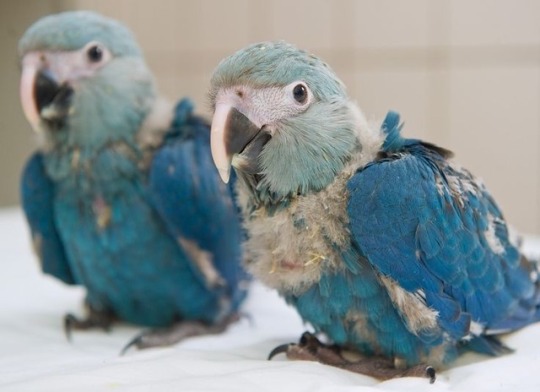
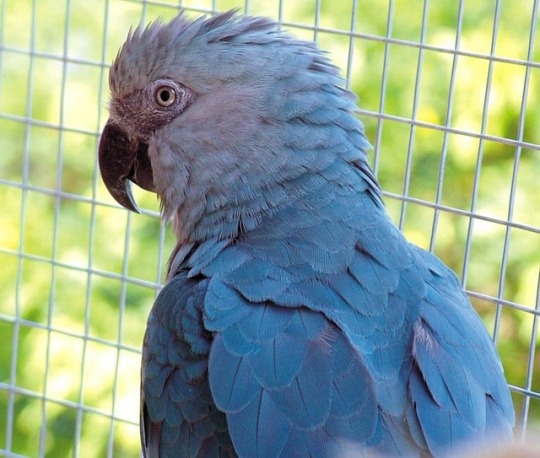
the spix’s macaw, also known as the little blue macaw, is a small macaw native to brazil.
little is known about the spix’s macaw in the wild – most studies have been done on captive birds. however, it is known that wild birds feed off of fruits, nuts, and seeds.
spix’s macaws choose their mates independently – if they are put with another macaw, they may accept or reject them, regardless of whether or not they are ready to breed. both males and females of this species share the same coloration, though males are slightly larger.
spix’s macaws make their nests in the hollows of trees. their young fledge at 70 days, and are fully independent at around 100 days of age.
unfortunately, the spix’s macaw has been declared extinct in the wild. the main causes of their population loss are deforestation, which causes massive loss of their habitat and food sources, and introduced predators. there is around 200 birds in captivity, and hopes to reintroduce some birds into the wild by 2020.




 today's bird