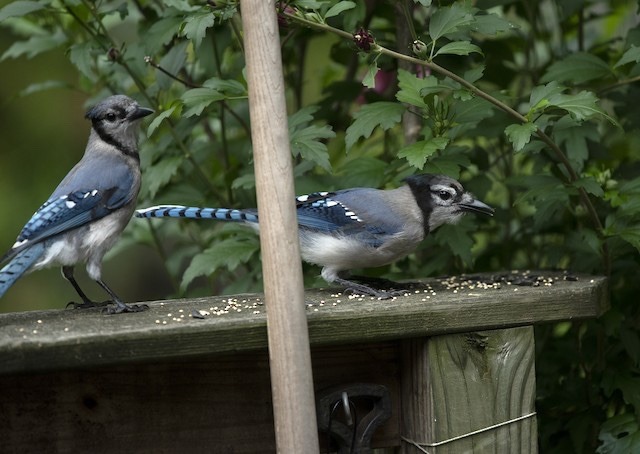
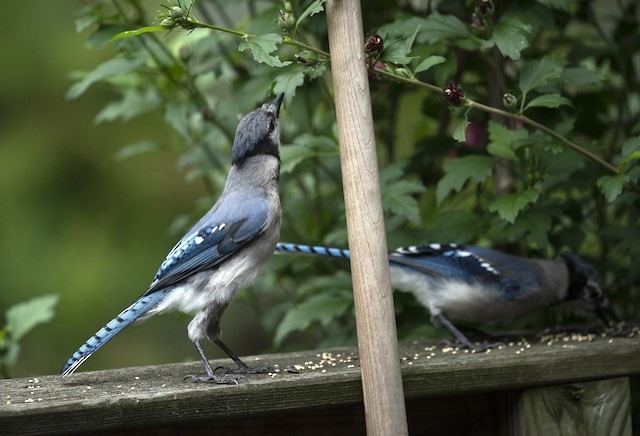
two blue jays investigate a feeding station. native to north america, blue jays are a member of the corvid family, which also includes crows and ravens. the corvid family is known for thee intelligence and recorded tool use in several species.
(x)
two blue jays investigate a feeding station. native to north america, blue jays are a member of the corvid family, which also includes crows and ravens. the corvid family is known for thee intelligence and recorded tool use in several species.
(x)


the white-throated magpie-jay is an unusual member of the corvid family native to central america. they share their crest and long tail, unusual for corvids, with the black-throated magpie-jay, which displays a similar build and behavior but different coloration.
(x)


closeups on a white-throated magpie-jay, a member of the corvid family that is native to central america.
(x)


the steller’s jay is a member of the corvid family & close relative of the blue jay that is found throughout the western united states.
(x)
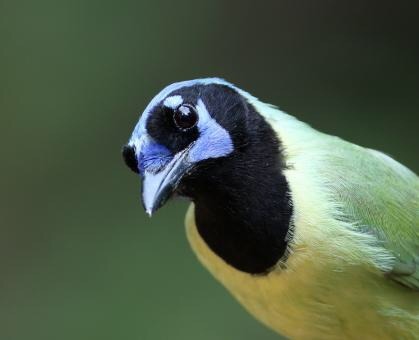
the green jay is a medium-sized corvid native throughout central america – they are found from southern texas to the honduras.
the green jay has a varied diet. they eat insects, seeds, fruits and berries, and on occasion very small mammals. they have been observed using sticks as tools to get their food.
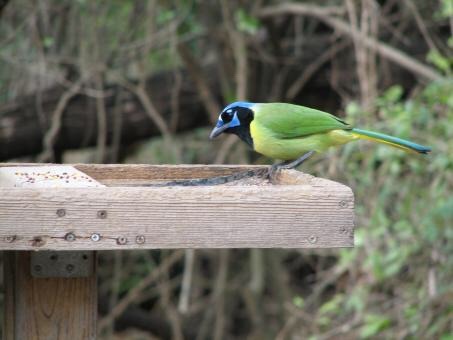
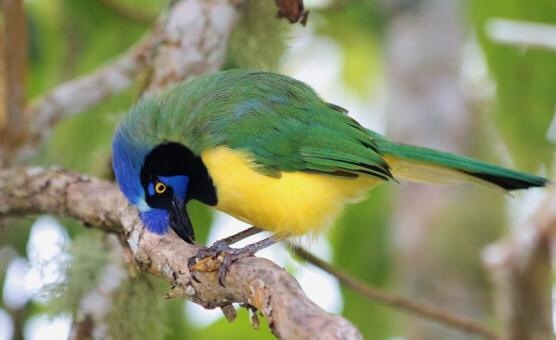
males and females in this species have the same external appearance. however, the amount of blue on the bird’s head can vary slightly according to its location.
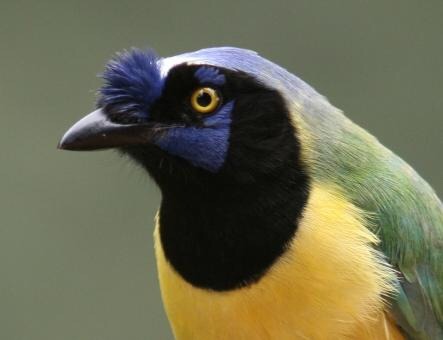
the green jay is currently rated as least concern by the iucn, as despite development in its territory it is thriving.
source: (x)
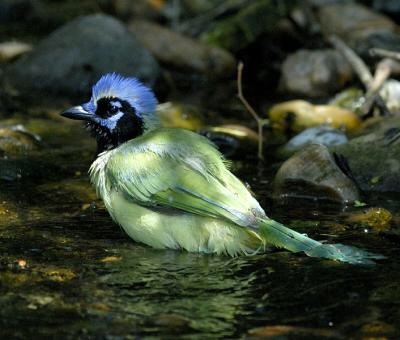


this unusual bird is the result of natural hybridization between a blue jay and a steller’s jay. while uncommon, they aren’t unheard of, and it’s likely some go unnoticed, as they can pass for a regular jay with slightly off coloration.
source: (x)

this blue jay has a strange unknown mutation that has affected the feathers on the face, crest, and neck.


this white steller’s jay was seen in boulder county, colorado. the bird is not albino – it was seen gradually gaining more and more white feathers over time. suggested causes are illness, trauma or a mutation.
source: (x)

this blue jay was spotted in nova scotia with a distinctly white head. this is due to leucism, a lack of pigmentation that can make animals appear lighter over their whole body or just certain parts, like in this bird.
source: (x)
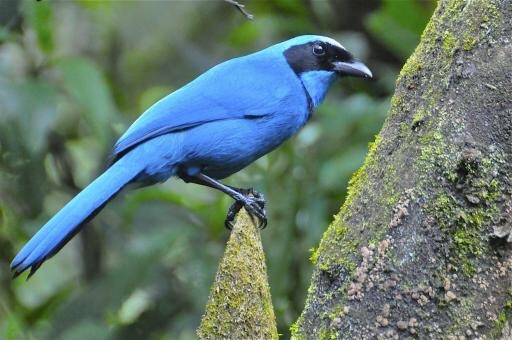
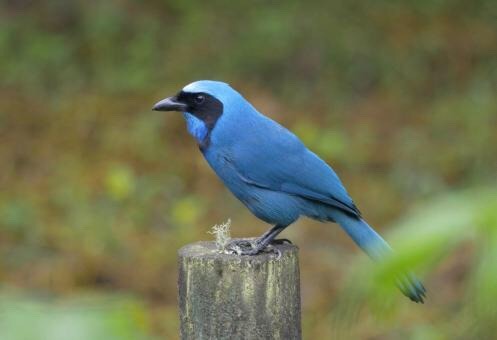
the turquoise jay is a brightly colored member of the corvidae family, related to other jays, crows, and ravens.
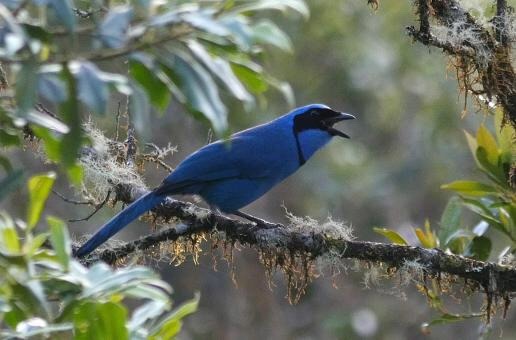
little research has been done on the turquoise jay, even though they are fairly common. they are native to parts of south america, and are nonmigratory. they live in small flocks, sometimes mixing with other bird species.
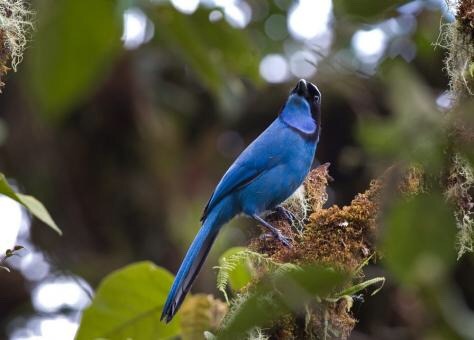
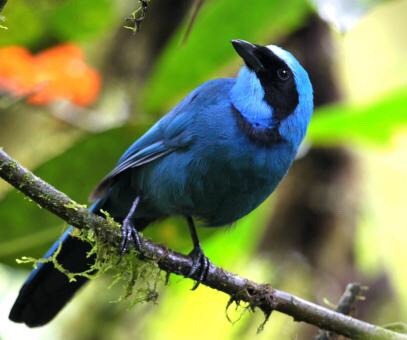
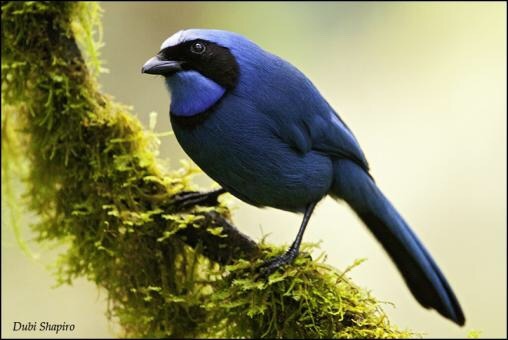
the turquoise jay is rated least concern by the iucn. while not much research has been done on them, their population numbers seem to be high and they are coping with threats like habitat loss well.
 today's bird