
This picture has three species of Ibis in it! From left to right we have the Scarlet Ibis, the Hadada Ibis, and a Madagascar Crested Ibis!
_
today’s birds are: these ibises!
This picture has three species of Ibis in it! From left to right we have the Scarlet Ibis, the Hadada Ibis, and a Madagascar Crested Ibis!
_
today’s birds are: these ibises!
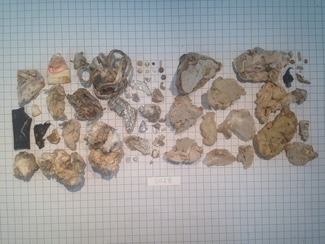
it’s well known that seagulls, crows, ibises, and other birds feed on scraps at landfills with an increasing lack of natural food sources. some birding organizations even host birding tours at landfills due to the variety of species. but scientists have found this diet may be harming the birds. 40+ seagulls’ stomachs were analyzed, and 80% of the birds’ stomachs contained debris such as plastic, glass, and metal.
source: (x)

the australian white ibis is one of the largest ibis species, and is native to, you guessed it, australia. traditionally, this ibis is found in wetland habitats, though as of recently it has been known more as an urban bird.
this ibis is frequently found solitary, in pairs, and in small flocks. ibis young are born featherless and helpless, but mature extraordinarily fast – within only a few weeks.

this ibis feeds off of mussels and crayfish, and lives in wetlands, raising its young in trees. unfortunately, as of recently, the australian white ibis has been regarded as a pest. due to a massive drought, much of the ibis population was forced to leave their natural habitat and move inland. another drought a few years later encouraged more of the ibis population to do the same. now ibises are frequently found in urban habitats like cities and parks, scavenging in the streets and in trash cans. their natural musty odor and trash-eating behavior has made them hated by many. however, it’s unfortunate, as with further investigation, it’s clear that the only reason they are in these environments is because their natural environments no longer serve them the way they should.

despite their bad reputation, this ibis has plenty of good things about them. often regarded as ugly and unclean, the ibises’ bald head actually evolved to keep them clean in the first place. ibises are known to be intelligent problem solvers – they have to be to survive so close to people. before they entered urban habitats, ibises were regarded as graceful and elegant.
the australian white ibis is listed as least threatened by the iucn, but faces potential threats both in habitat loss and culls by city councils. luckily, due to their numbers, we won’t lose this ibis anytime soon. we can hope that someday they return to the wetlands they belong in.


The blue bird is Marshall. He is a Blue Crowned Pigeon. They are the largest species of pigeon in the world. In the second photo there are two other species. In the back with the red Mohawks are a pair of Roul Roul. And in the front all puffed up is a male Madagascar Crested Ibis. The kerfuffle going on is a territory scuffle because the Ibis was new.
_
Today’s birds are: Marshall and friends!


On the left is a Madagascar Crested Ibis, and on the right is a Hadada Ibis. Both really handsome boys. 😍
–
todays birds are: these ibises!
 today's bird