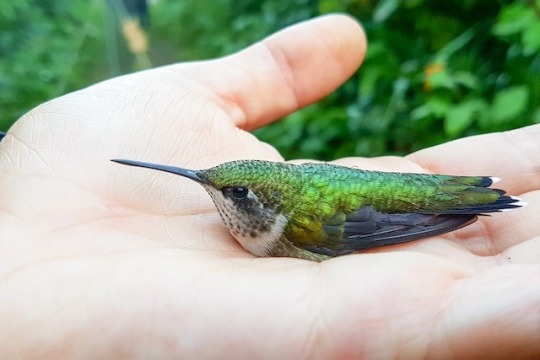
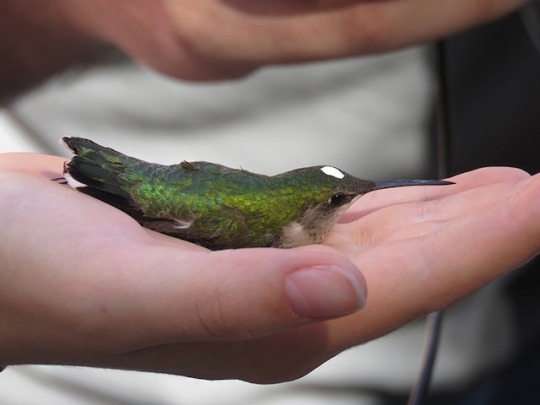
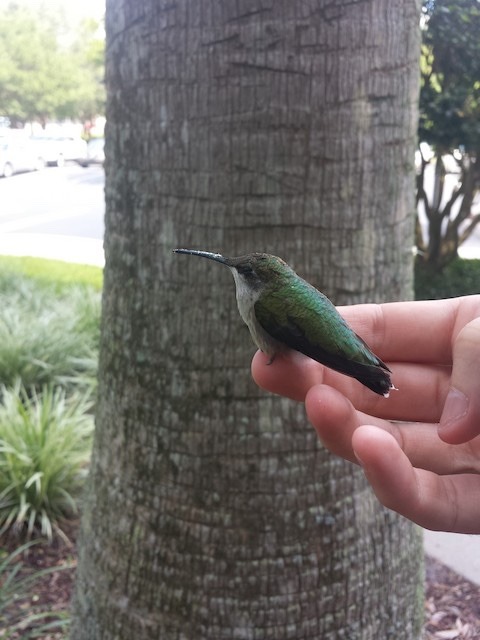
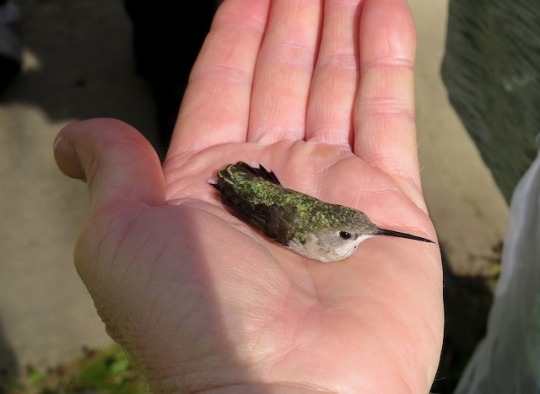
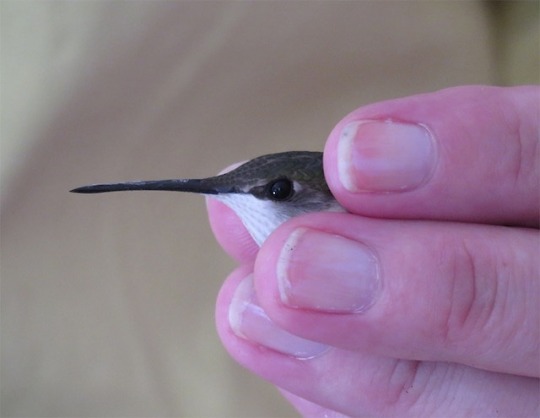
i go absolutely NUTS for hummingbirds in hands
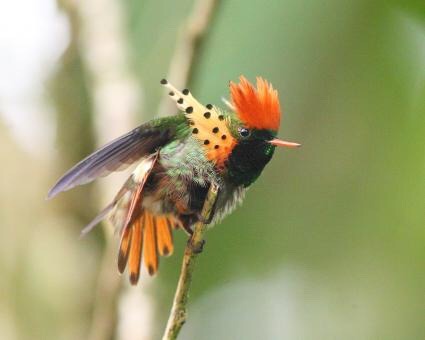
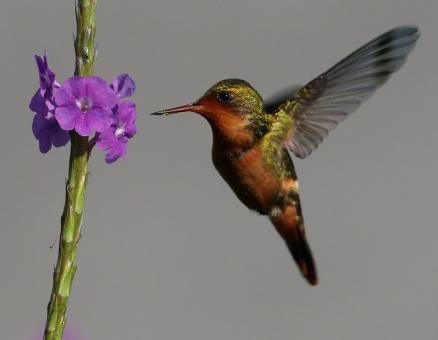
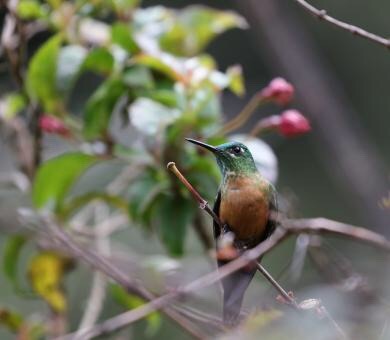
the tufted coquette is a small hummingbird native to parts of south america.
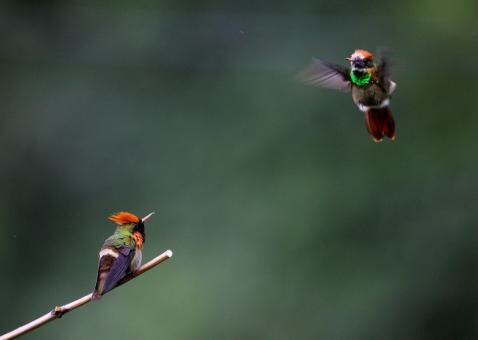
the male tufted coquette is easily recognizable by its orange crest and plumes from the face and neck.
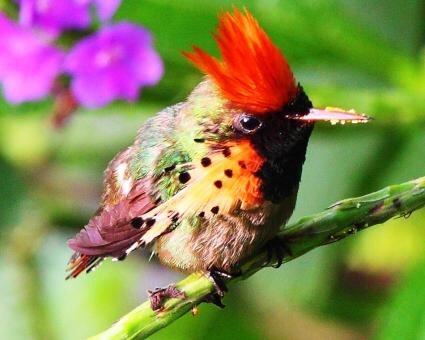
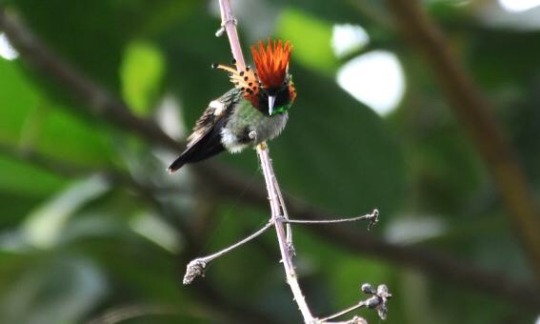
females have similar coloration, but do not have the plumes or crest of the male.
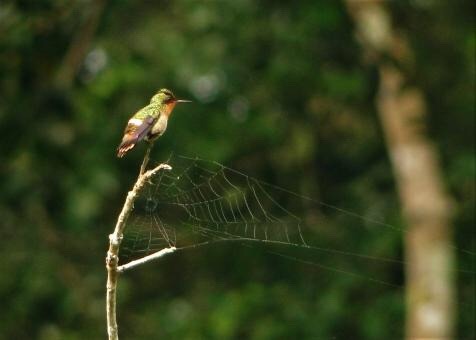
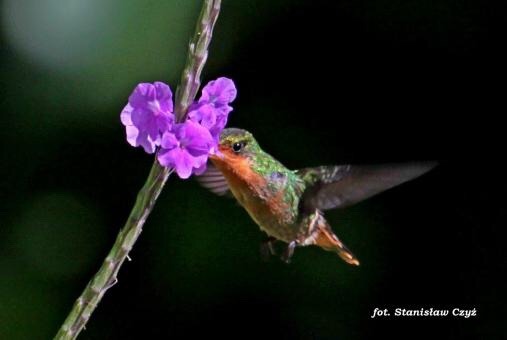
like other hummingbirds, tufted coquettes mainly feed off of nectar, as well as some small insects.
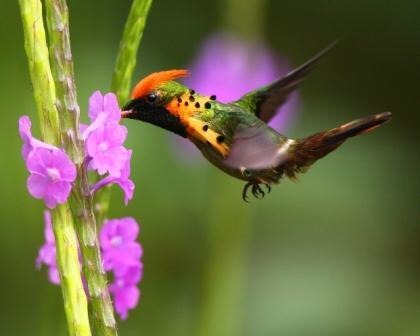
the tufted coquette is currently rated as least concern by the iucn.
image source: (x)
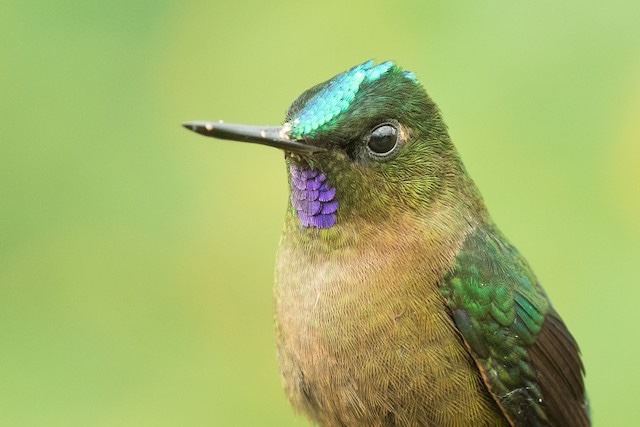
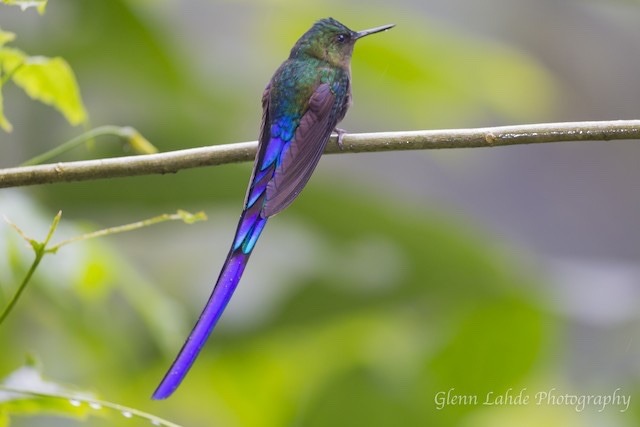
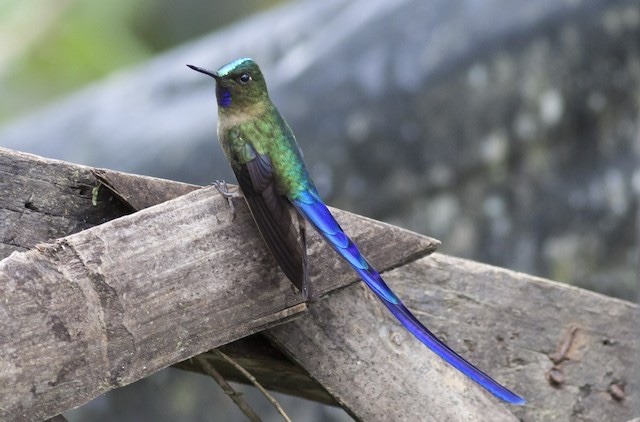
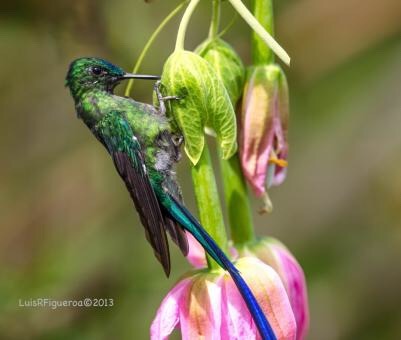
the violet-tailed sylph is a small species of hummingbird native to south america. they are known for their distinctly long and colorful purple tail.
(x)
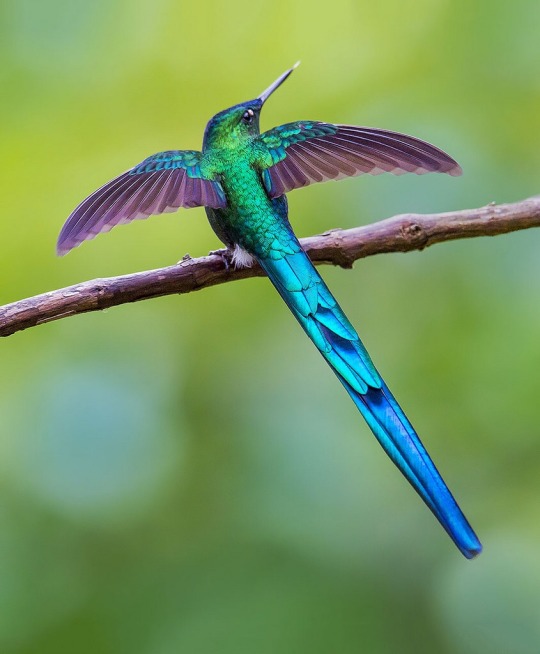
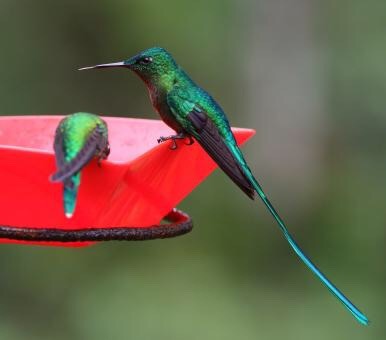
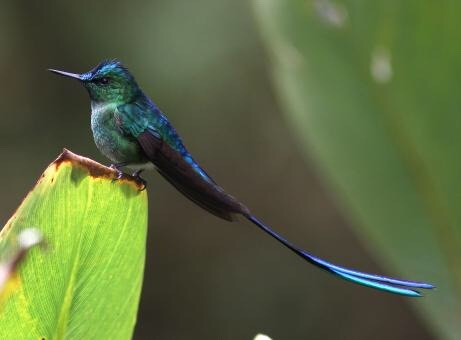
the long-tailed sylph is a species of hummingbird native to parts of south america.
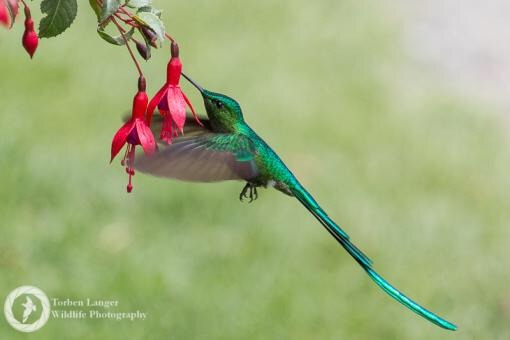
the male long-tailed sylph is distinctly different from most hummingbirds. their tail reaches around four inches in length – longer than the entire rest of their body.
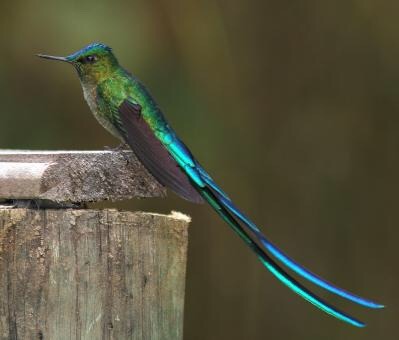
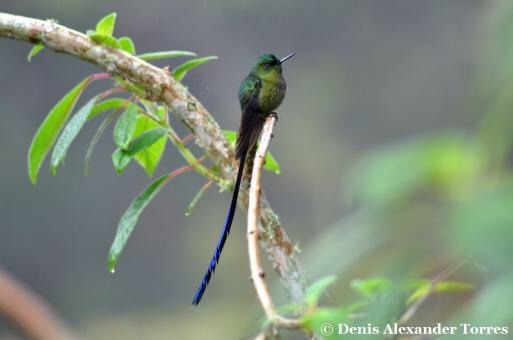
the male and female are easy to differentiate. the female lacks the incredibly long tail, and is somewhat more drab in coloration.
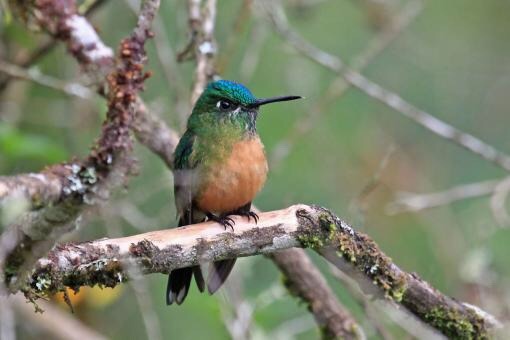
these birds feed off of nectar, like other hummingbirds, along with small insects and spiders.
the long-tailed sylph is fairly common in its range and is rated least concern by the iucn.
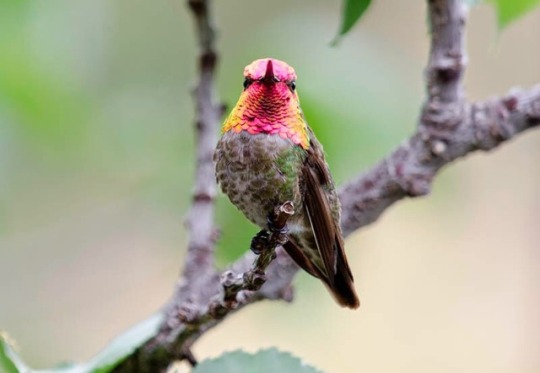
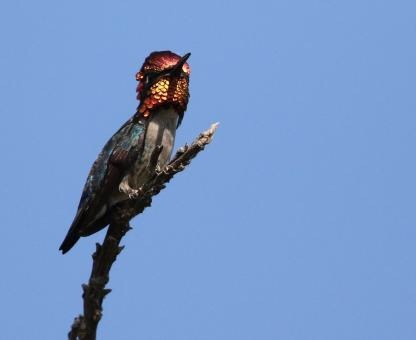
this beautiful bird is the result of a natural hybridization between an allen’s hummingbird and anna’s hummingbird. these hybrids were so common they were at one point mistaken for a species of their own.
source: (x)
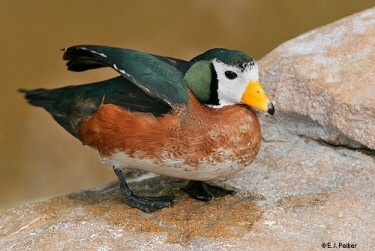
world’s smallest waterfowl: african pygmy goose
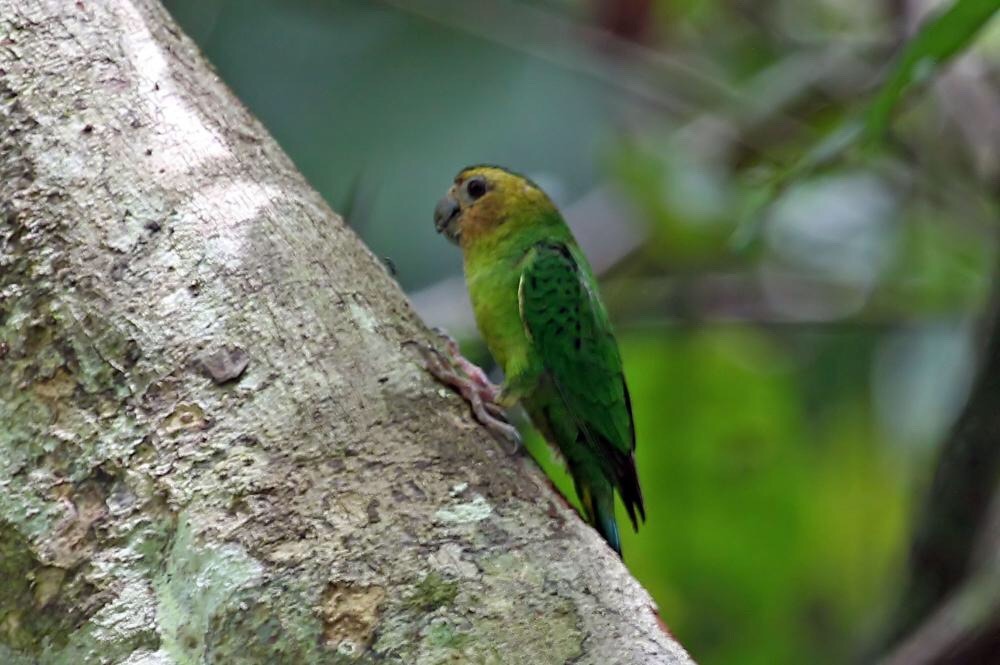
world’s smallest parrot: buff-faced pygmy parrot
world’s smallest dove: dwarf fruit-dove
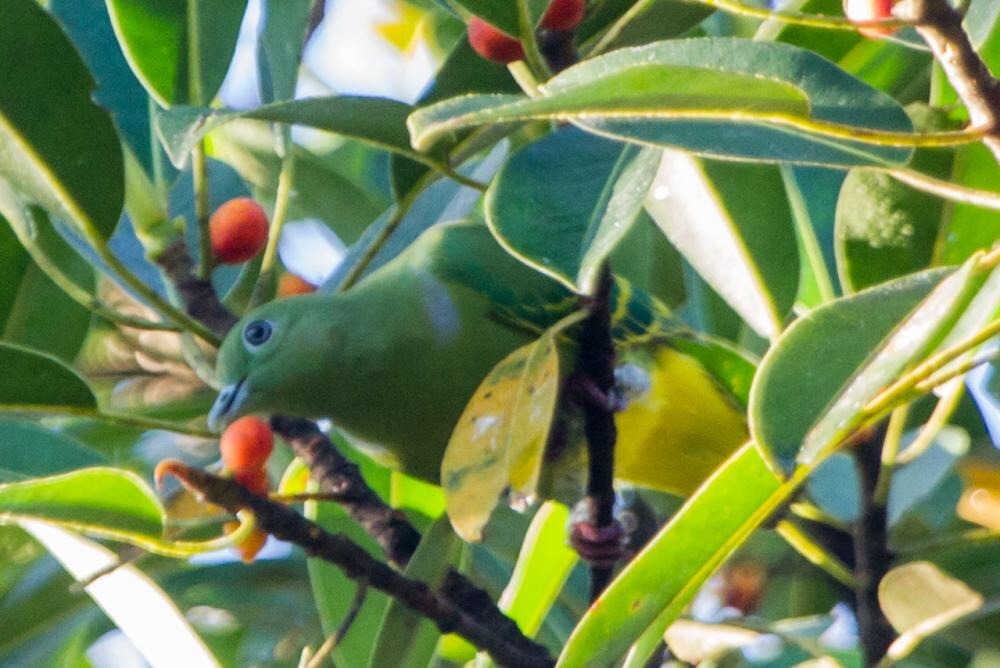
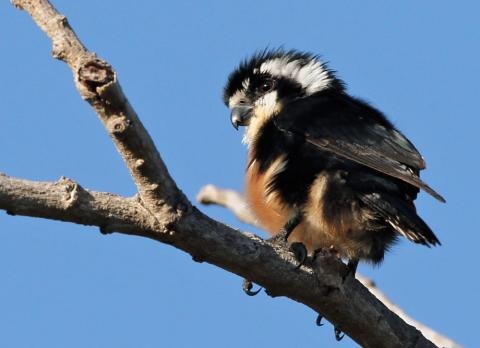
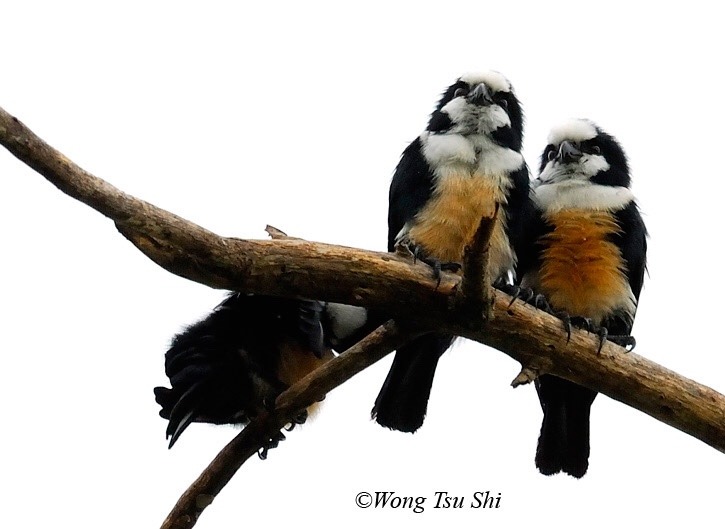
world’s smallest bird of prey: a tie between the black-thighed falconlet and the white-fronted falconlet
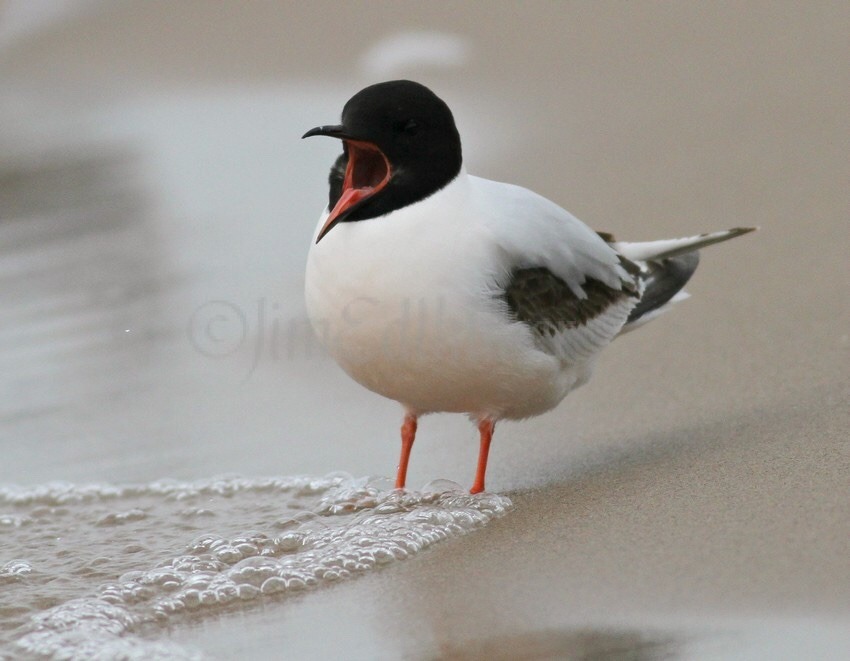
world’s smallest gull: the little gull
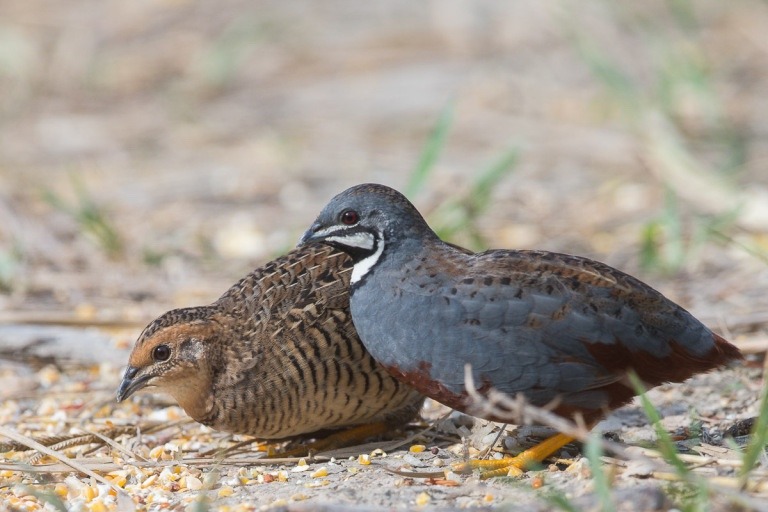
world’s smallest quail: the king quail
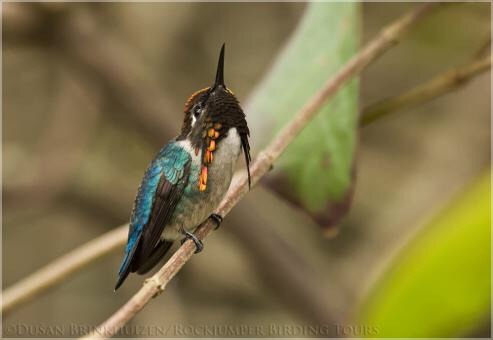
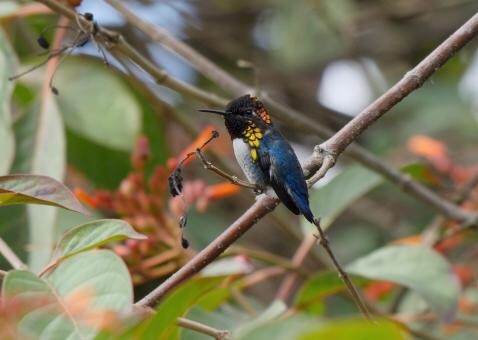
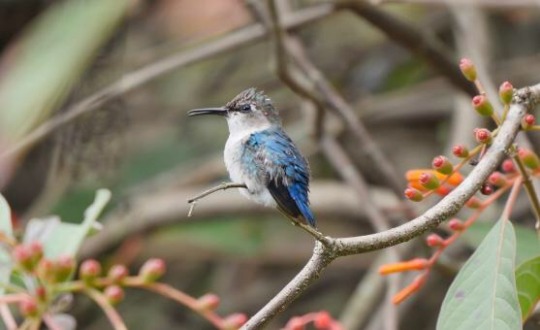
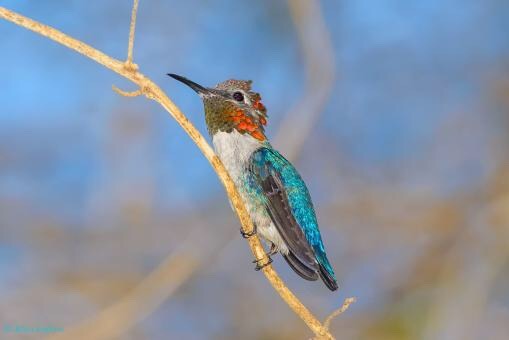
and the smallest bird of them all…the bee hummingbird!
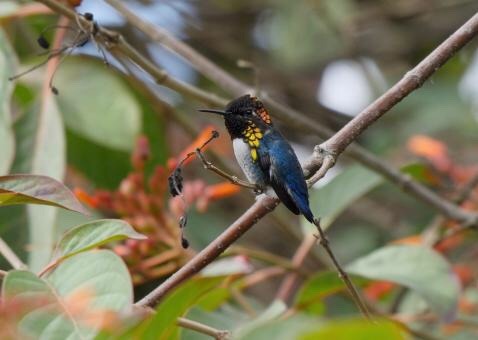
bee hummingbirds are the world’s smallest bird. they are also so, so beautiful. they’re native to cuba, and their eggs are only the size of a coffee bean!
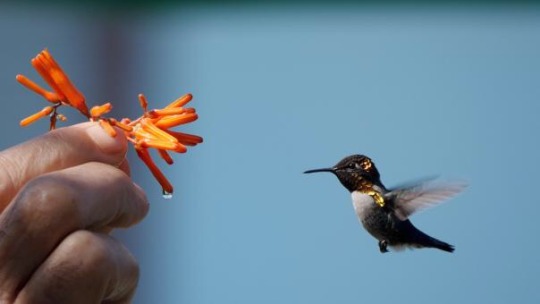
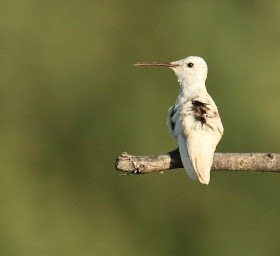
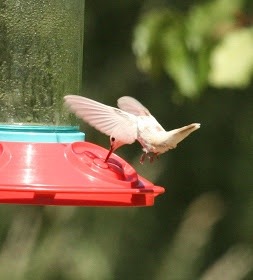
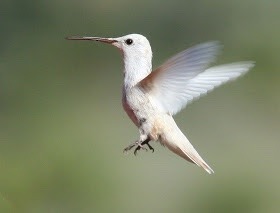
this unusually colored female black-chinned hummingbird has a genetic mutation called leucism. leucistic animals do not produce enough pigmentation, making them either paler overall or in certain spots, giving them a ‘pied’ look.
source: (x)

todays bird is: this black chinned hummingbird!
 today's bird