ahh
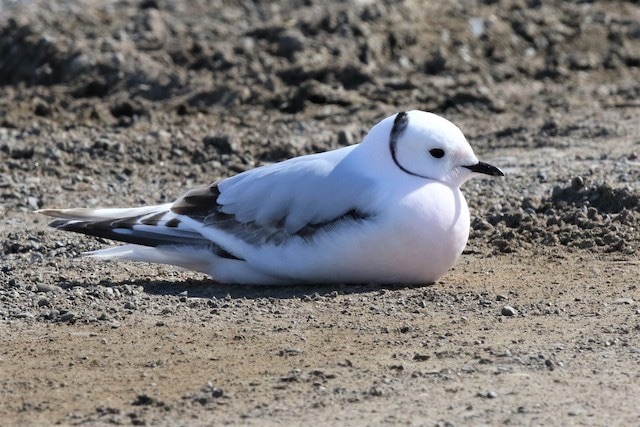
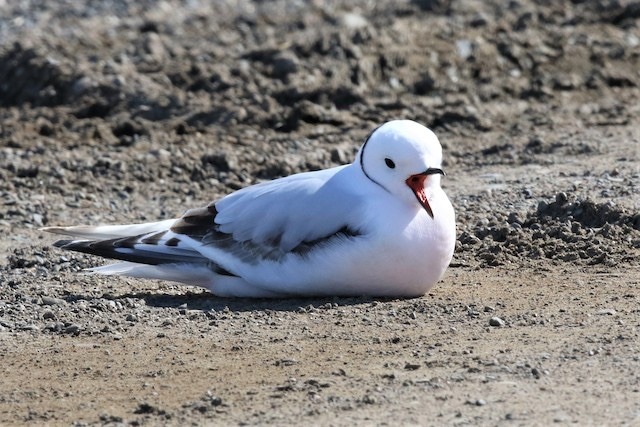
you: seagulls are evil winged rats 😡
me, who has seen the light and knows the peace the universe holds:
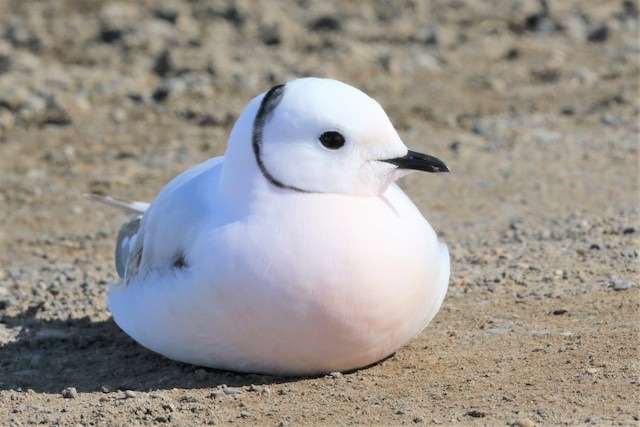
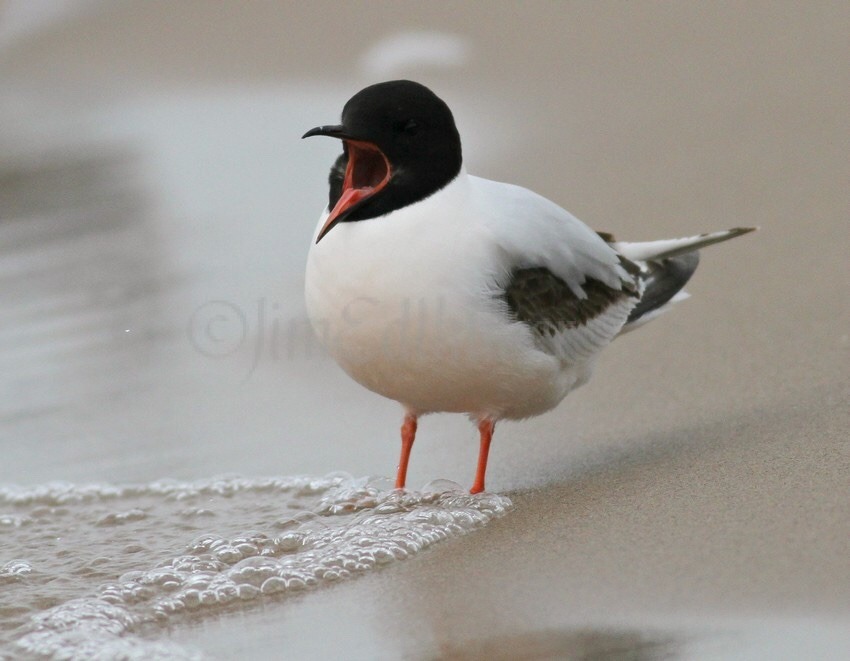
the smallest gull species is literally called the “little gull” and they are perfect in every way imaginable
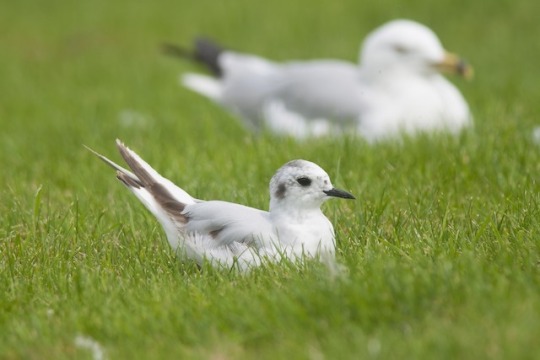
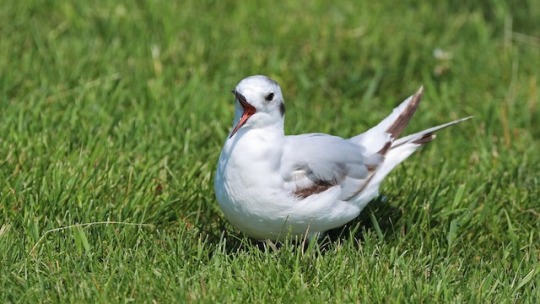
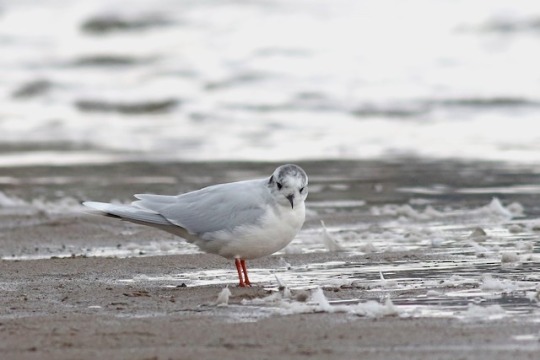
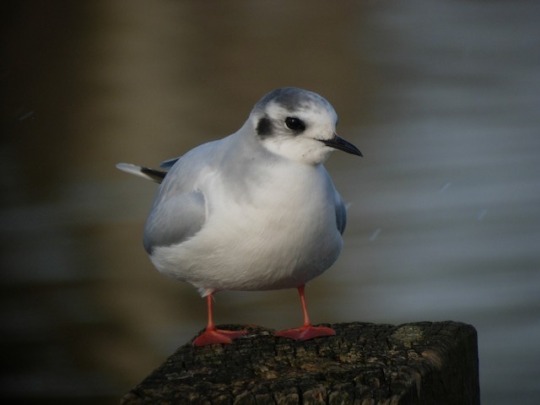
(x)

a ring-billed gull appears to swoop through a rainbow. these gulls are native to the americas. once found mostly by the sea, they have increasingly become adapted to urban environments where they can sustain themselves on human leftovers.
(x)
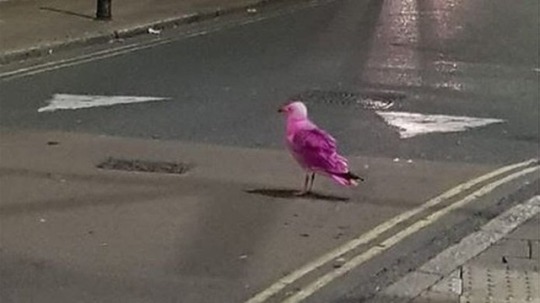
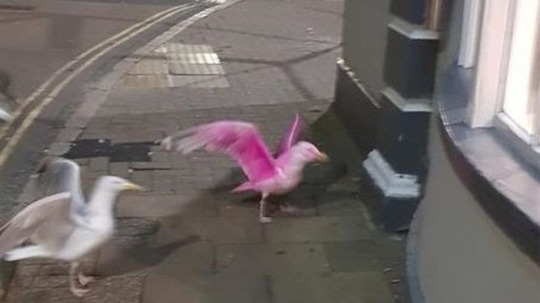
“pinky” the pink seagull has been grabbing attention in devon, england. despite the bird’s bright color, it hasn’t been ostracized by its peers and seems to be doing well. unfortunately, it is believed the seagull was intentionally painted pink as a ‘prank’.
(x)
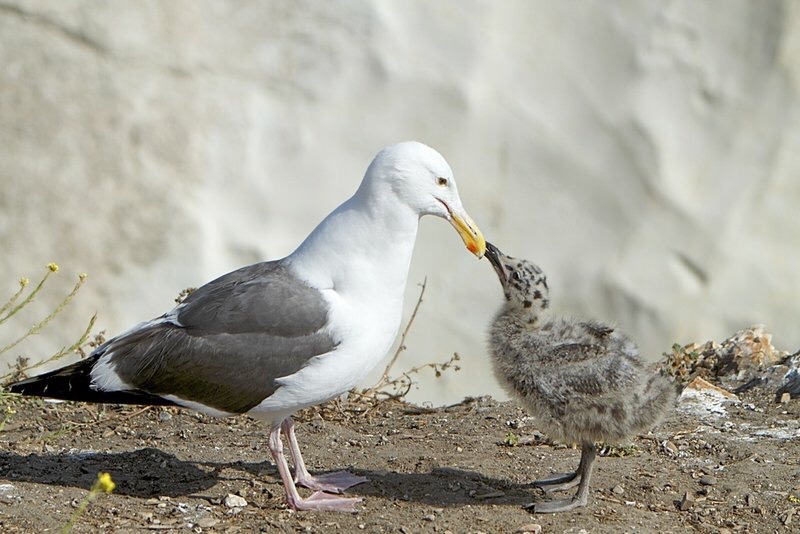
a baby western gull begs its parent for food. gulls are very devoted to their offspring, going out of their way to attack those they perceive as threats; though it has earned them a reputation for being aggressive.
source: (x)
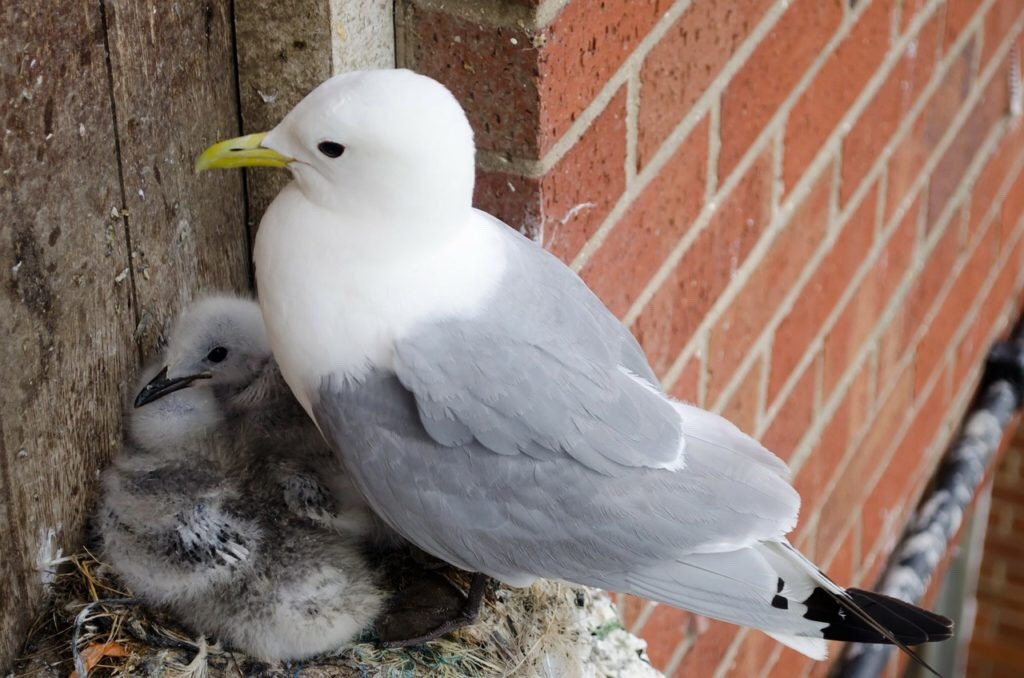
a kittiwake in the nest with its young. gulls are very fiercely protective of their babies, and both parents help to incubate and raise them.
source: (x)
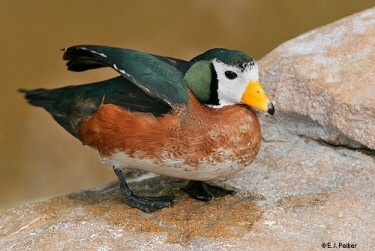
world’s smallest waterfowl: african pygmy goose
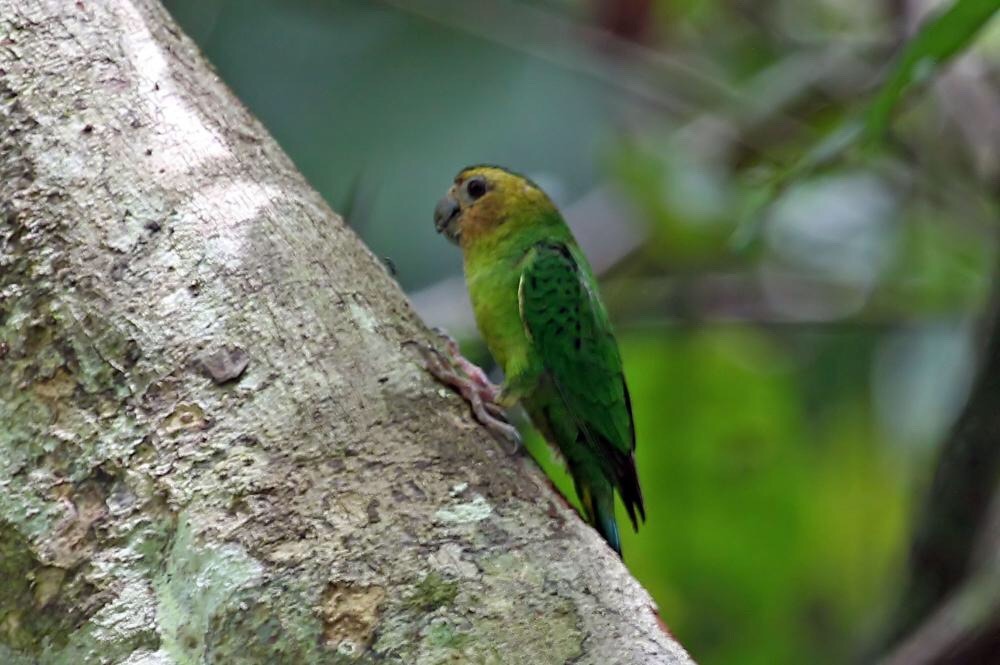
world’s smallest parrot: buff-faced pygmy parrot
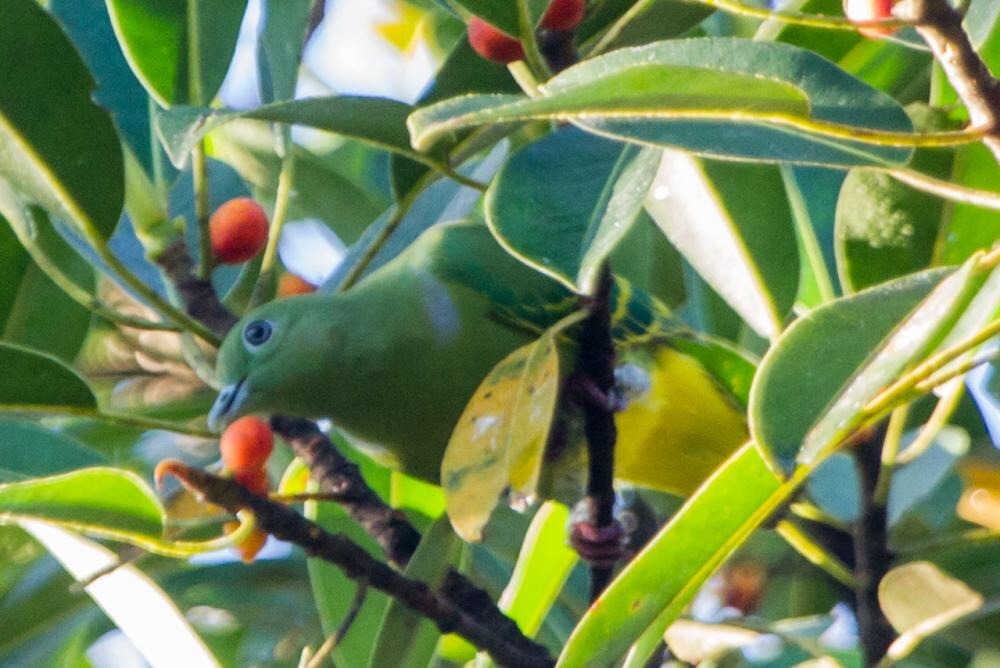
world’s smallest dove: dwarf fruit-dove
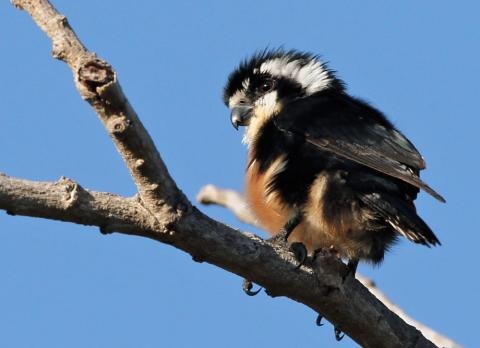
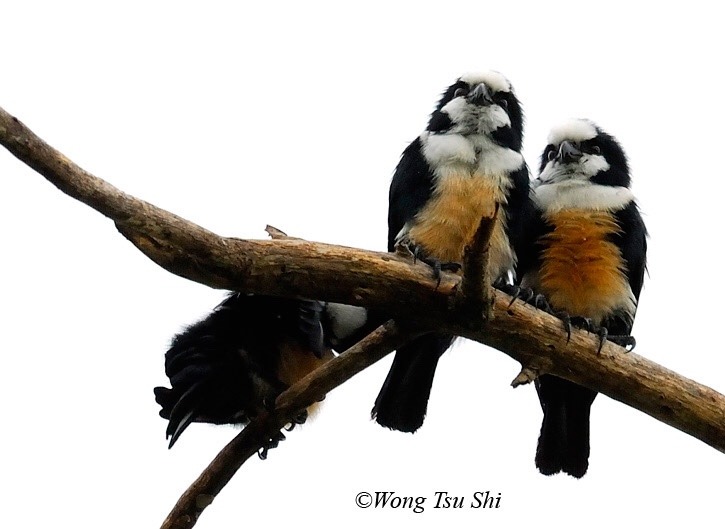
world’s smallest bird of prey: a tie between the black-thighed falconlet and the white-fronted falconlet
world’s smallest gull: the little gull
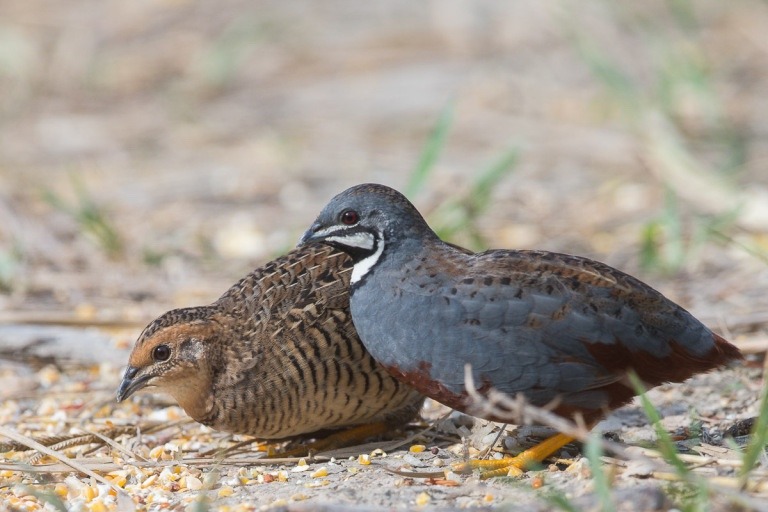
world’s smallest quail: the king quail
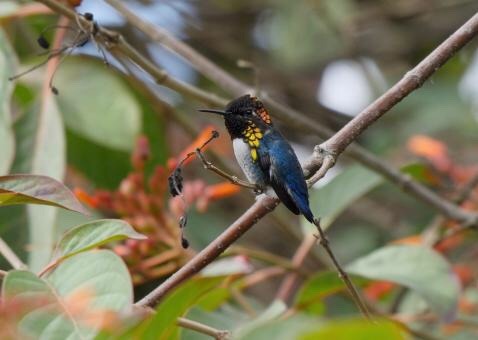
and the smallest bird of them all…the bee hummingbird!
todays bird is: this seagull! (thank you to an anonymous submitter)

the lava gull is a medium-sized gull and member of the “hooded gull” group – and also the rarest gull in the world. with an estimated population size of less than 1000 individuals, the lava gull is listed as “vulnerable” by the iucn. they are endemic only to the Galápagos Islands.
like many gulls, lava gulls have a varied diet. they are known to both catch fish and scavenge dead fish, and have also been observed eating small squid. they will also catch and eat lizards, turtles and other small animals, along with other birds’ eggs. they are even known to eat sea lion placenta.

the lava gull is unusual in that, unlike most gulls, it does not nest near other gulls – they build shallow but secluded nests and are extremely territorial. the gulls lay only two olive-green eggs, which are incubated for approximately 30 days. while this is a small clutch size, lava gulls are opportunistic breeders and don’t stick to a breeding ‘season’, and may produce multiple broods in a year. young birds fledge at 55 days, but the parents continue to care for them for several weeks.

unfortunately, the lava gull is threatened by several factors. the gulls are sometimes caught on fish hooks or entangled in netting. they’re also preyed upon by feral cats, rats, and dogs. however, their population has stayed stable despite these threats. let’s hope these beautiful gulls are around for many more years!

image sources: (x)
 today's bird