
this stunning bird is a red-tailed hawk with a genetic mutation called leucism that causes a reduction in pigments.
source: (x)
this stunning bird is a red-tailed hawk with a genetic mutation called leucism that causes a reduction in pigments.
source: (x)
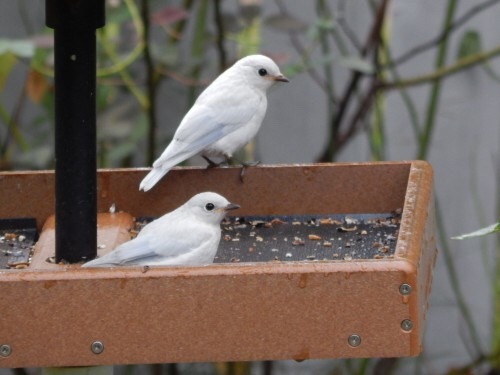
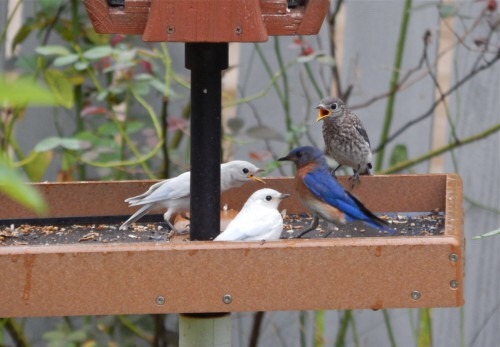
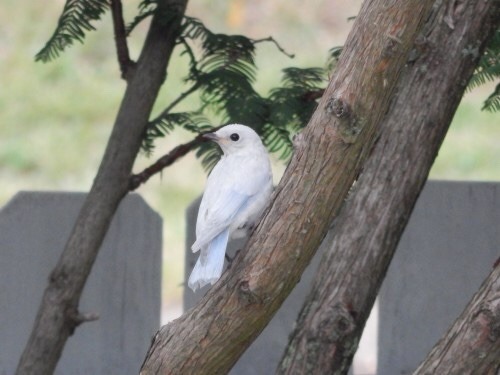
these unusually pale eastern bluebird siblings have leucism, a genetic mutation that causes a reduced production of pigmentation.
source: (x)
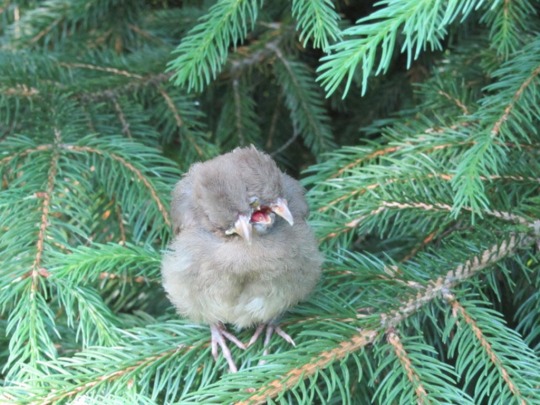
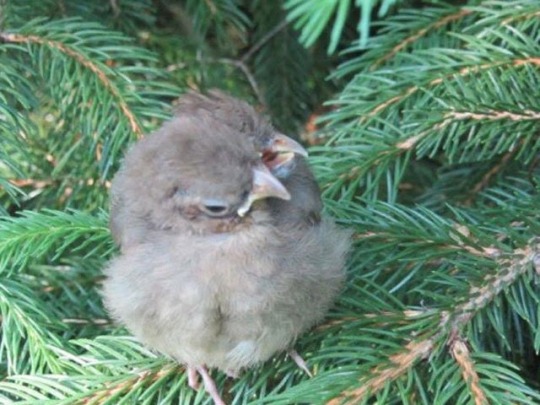
this little northern cardinal was discovered in massachusetts with two heads and three beaks.
source: (x)

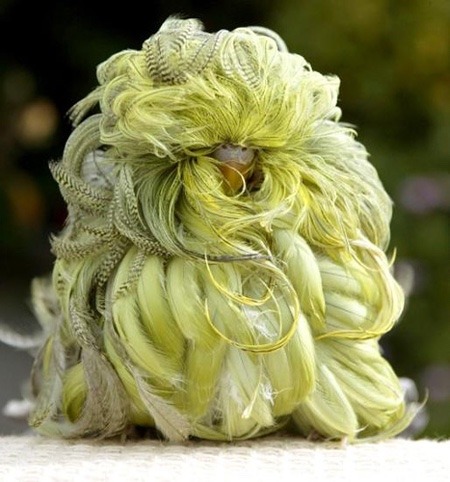
this is whipper, a feather duster budgie. feather duster syndrome is a rare genetic mutation that causes uncontrollable growth of curly feathers, and is often ultimately fatal, as the birds cannot eat enough to maintain the energy needed for such growth. whipper, however, has been alive for several years, despite also having stubby wings that make it impossible to fly, and being blind. not much is known about this mutation, but it is suspected it resulted from inbreeding in english budgies.
source: (x)

this american robin’s unusual speckled plumage is due to partial leucism, a genetic mutation that results in a lack of pigmentation.
source: (x)


this unusually golden house sparrow is its strange color due to a genetic mutation called leucism. leucistic animals lack correct pigmentation, and can be varying shades paler than non-leucistic animals. leucistic birds have weaker feathers, and tend to be easy targets for predators, meaning that their rarity is increased since many of them don’t make it to adulthood.
source: (x)
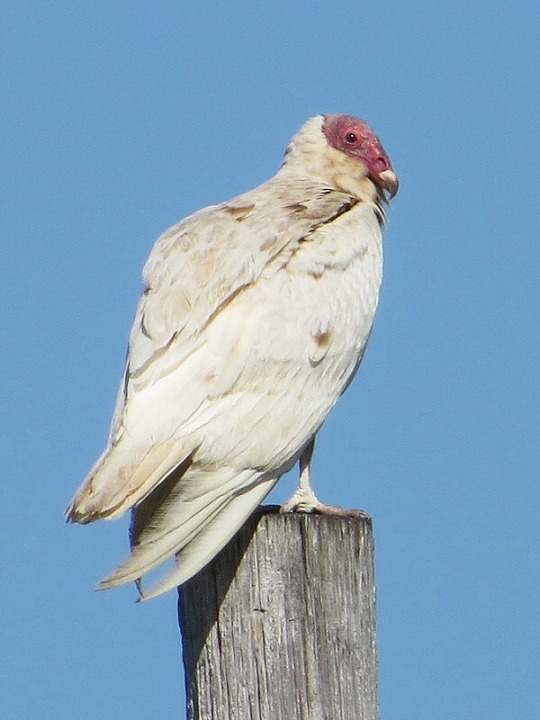
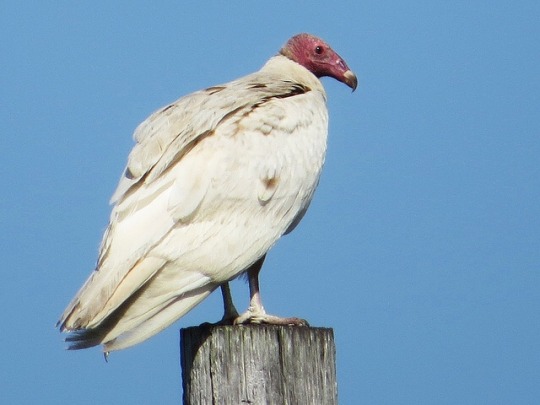
this leucistic turkey vulture was spotted perched on a telephone pole in florida. animals with leucism produce a reduced amount of pigments, resulting in either an entirely ‘faded’ body or a ‘pied’ appearance. like albino animals, leucistic animals are particularly vulnerable to predators and harassment from their own species.
source: (x)


this northern cardinal was spotted in virginia, and has a condition called leucism. leucism is a reduction of pigments, leading to drastically different appearances from ‘normal’ specimens.
source: (x)


while this bird may look unfamiliar at first, it is a very common american robin – with leucism. leucism is a lack of pigmentation, and can effect the whole body or certain areas like on this bird.
source: (x)
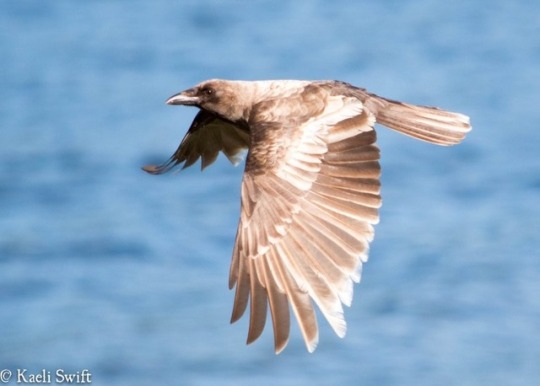
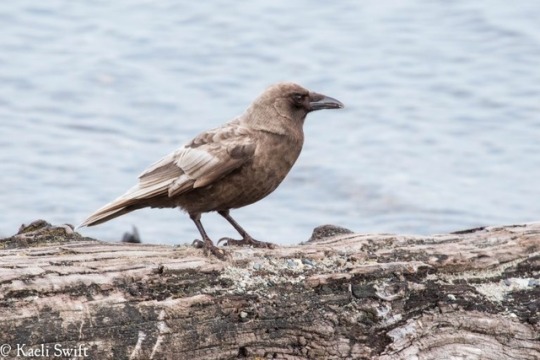
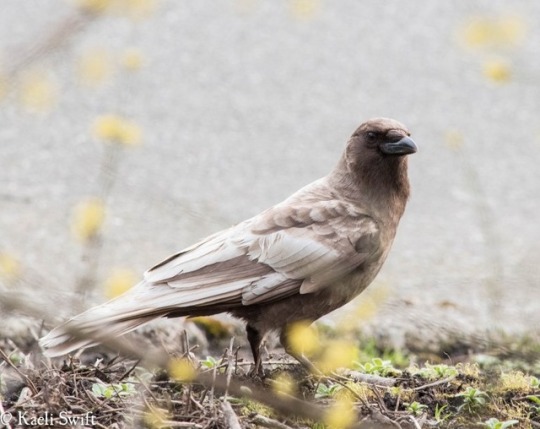
this is an american crow with leucism. leucistic animals do not produce enough pigmentation, but produce enough to not be considered albino.
source: (x)
 today's bird