

this chick with four legs was discovered by a farmer in brazil, mixed in with normal siblings. this rare mutation is theorized to be the result of inbreeding in domestic chickens.
source: (x)
this chick with four legs was discovered by a farmer in brazil, mixed in with normal siblings. this rare mutation is theorized to be the result of inbreeding in domestic chickens.
source: (x)
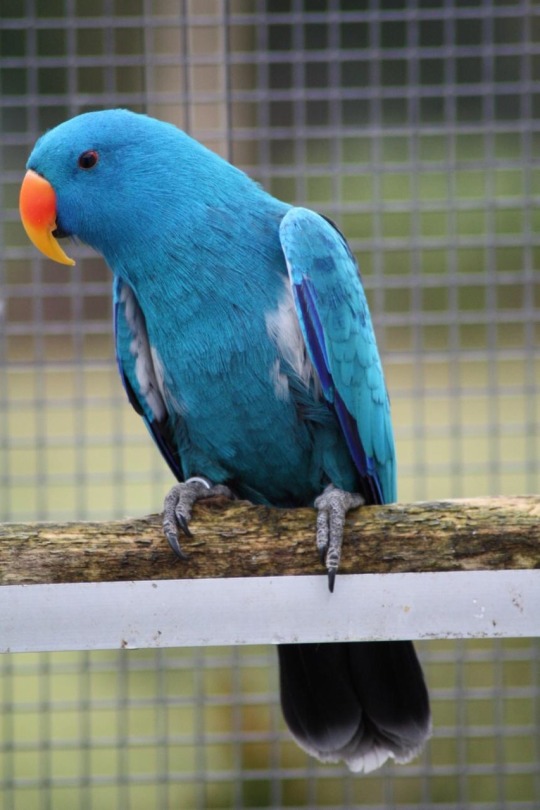
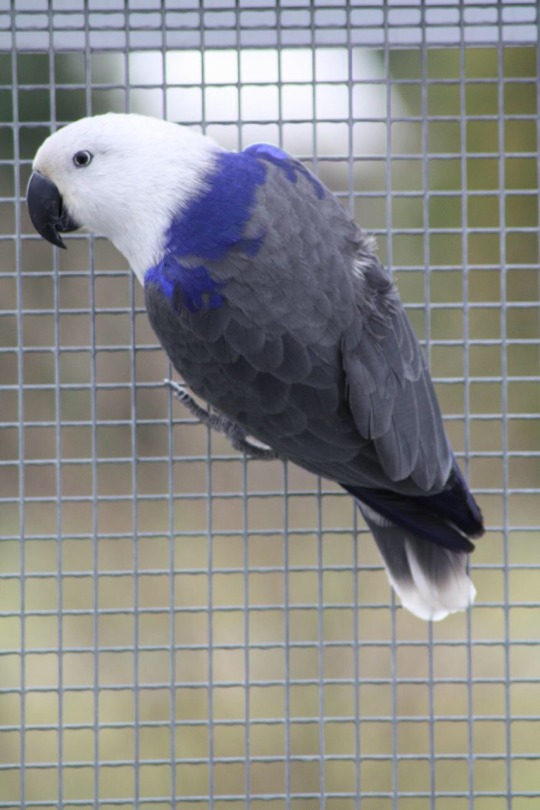
these are blue mutation eclectus parrots. like eclectus without the mutation, the male and female can to be distinguished by appearance (left photo is male, right is female). the blue mutation is very rare and isn’t seen often.
source: (x)
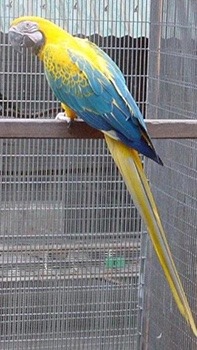
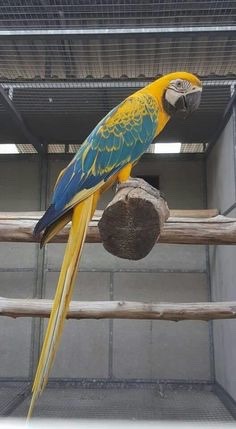
opaline blue and gold macaws don’t look real they look like mystical fairytale birds that offer you assistance

this blue jay has a strange unknown mutation that has affected the feathers on the face, crest, and neck.
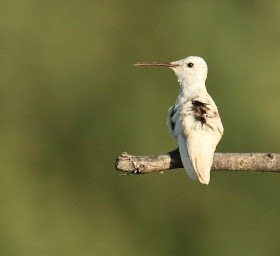
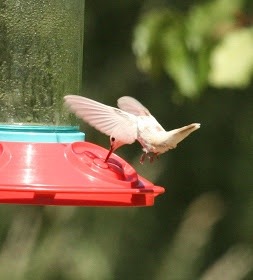
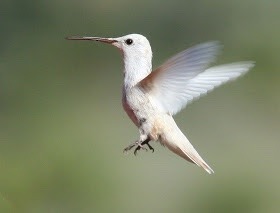
this unusually colored female black-chinned hummingbird has a genetic mutation called leucism. leucistic animals do not produce enough pigmentation, making them either paler overall or in certain spots, giving them a ‘pied’ look.
source: (x)
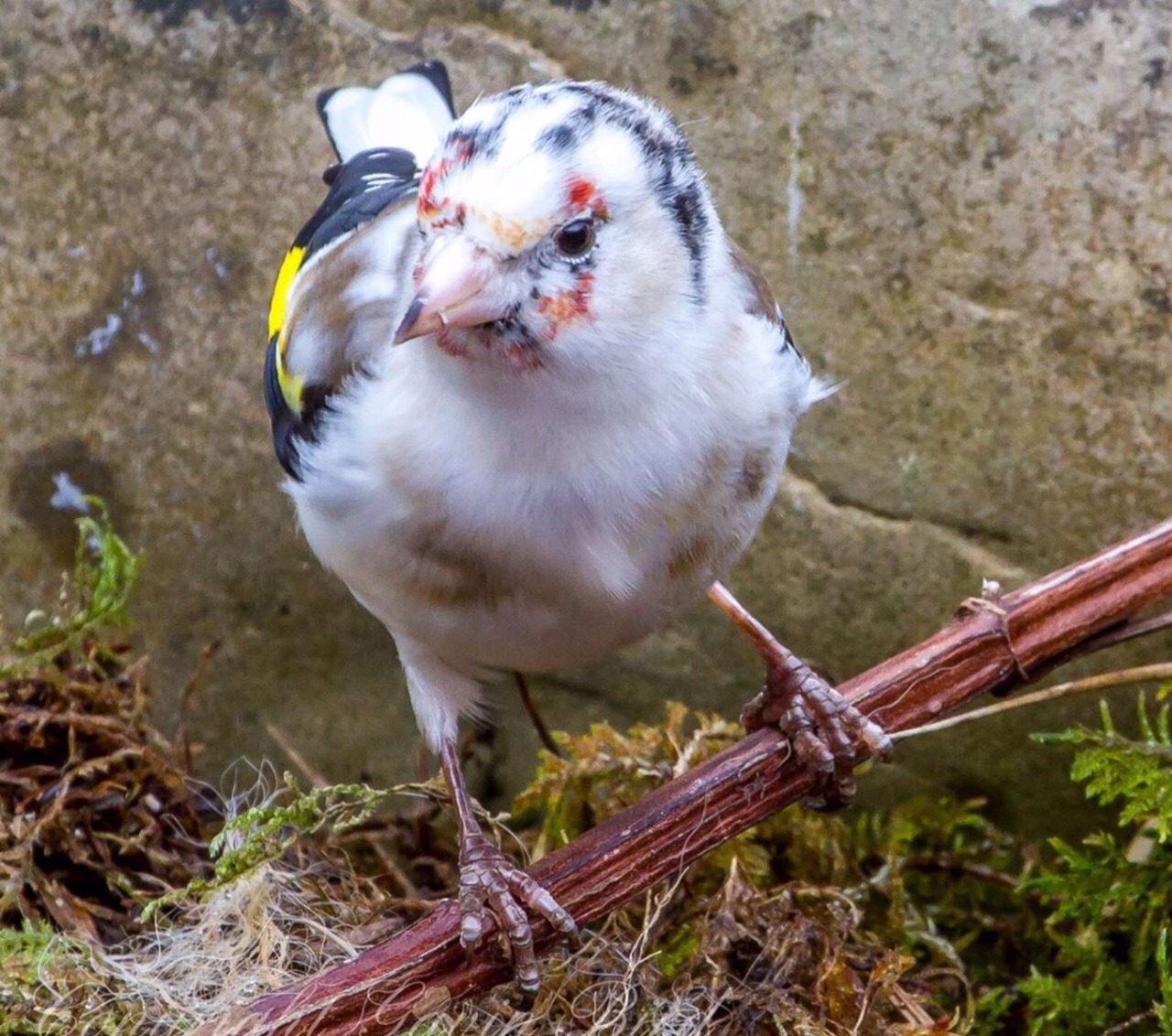
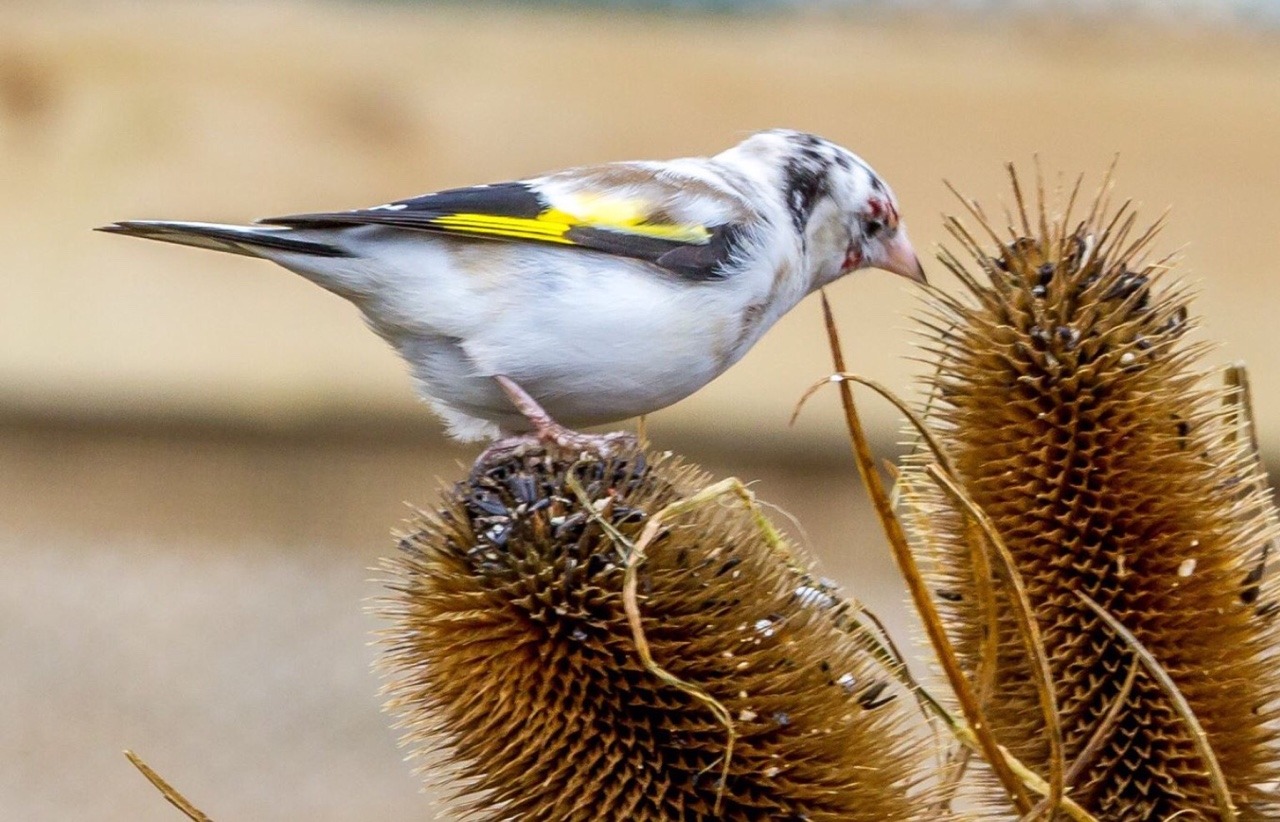
this unusually colored bird is a european goldfinch with partial leucism. leucistic animals do not produce enough pigmentation, leading to an entirely pale animal or a ‘piebald’ animal like this goldfinch.
source: (x)


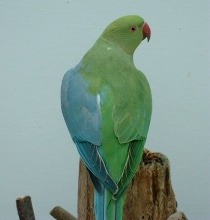
this bird is a ‘half-sider’ indian ringneck parakeet. half-siders cannot be intentionally bred; they are the result of two fertilized eggs merging early in development.
source: (x)


this bird is a malachite kingfisher that is unusually pale due to leucism, a genetic mutation that results in a lack of pigmentation. (x)

this blue jay was spotted in nova scotia with a distinctly white head. this is due to leucism, a lack of pigmentation that can make animals appear lighter over their whole body or just certain parts, like in this bird.
source: (x)
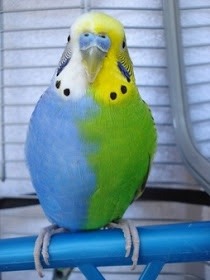
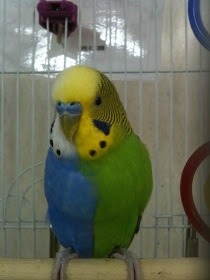
this is twinzy, a ‘half-sider’ budgie. twinzy is the result of two fertilized eggs merging during development.
source: (x)
 today's bird