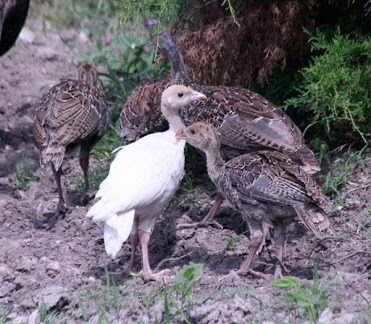
this juvenile leucistic wild turkey was spotted in texas. leucistic animals have a lack of pigmentation; their eyesight and feathers are often weaker as a result.
source: (x)
this juvenile leucistic wild turkey was spotted in texas. leucistic animals have a lack of pigmentation; their eyesight and feathers are often weaker as a result.
source: (x)
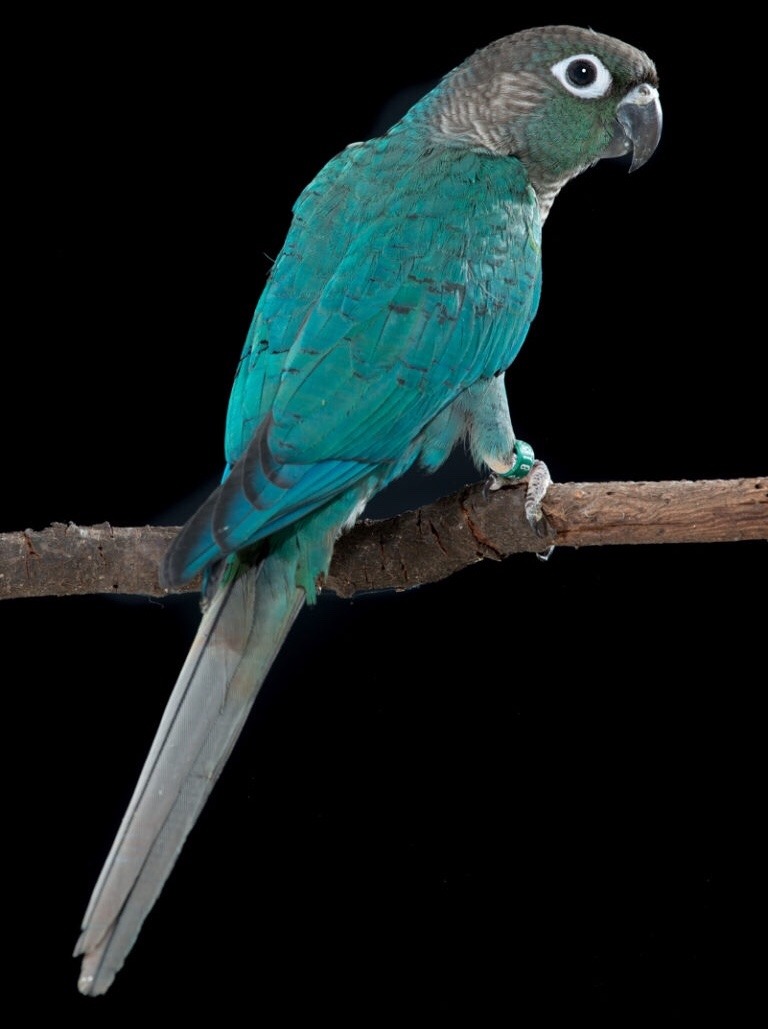
a turquoise mutation green-cheeked conure. this mutation was created through extensive captive breeding programs. naturally, these conures are only seen in their wild coloration, green.
(x)
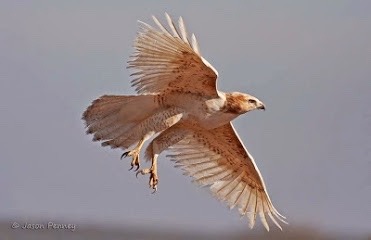
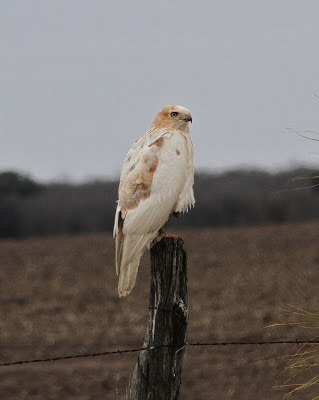
a red-tailed hawk with leucism, spotted in texas. leucistic birds aren’t uncommon but rarely make it to adulthood due to being easy targets for predators and having weaker feathers and eyesight.
source: (x)
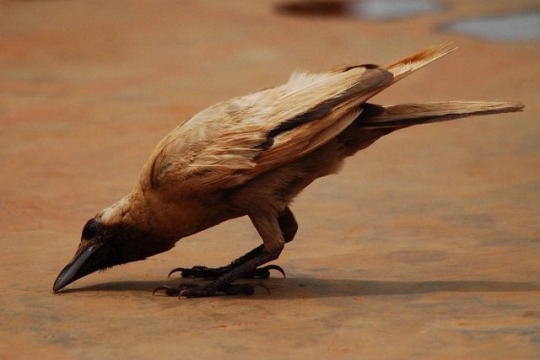
this house crow is unusually caramel colored. this mutation has been seen in other crows, and it’s of some dispute of what the cause is; many agree it is leucism, a lack of pigmentation, while others believe it is a seperate color mutation unique to crows.
source: (x)
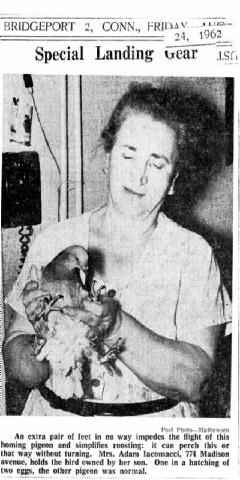
this newspaper clipping from 1962 shows a pigeon born with two extra legs. it’s surprising this bird made it to adulthood, as often birds with extra legs also have lots of health issues.
source: (x)


this is a king parrot with a rare color mutation. typically, this parrot would be bright reddish-orange and green, but the space that should be orange is off-white, and the rest blue. this color mutation is called blue, and is not yet available to the public.
source: (x)


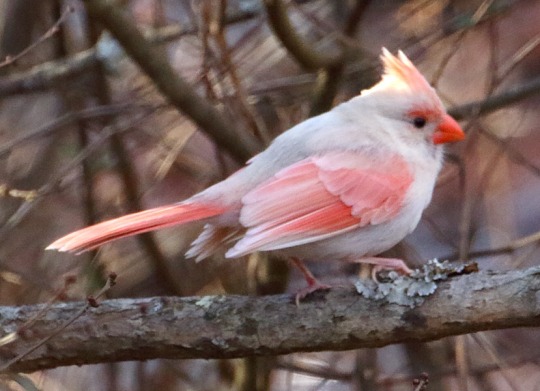

1. cardinal pair without any mutations
2. pied female cardinal (results from partial leucism)
4. ‘pink’ male cardinal – leucism can either make a bird pied, or overall paler
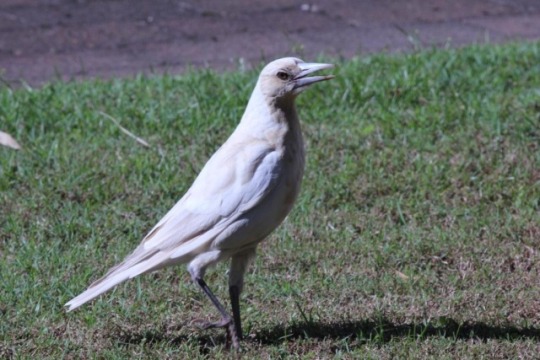
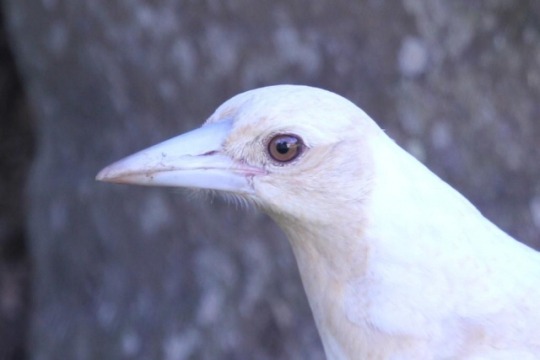
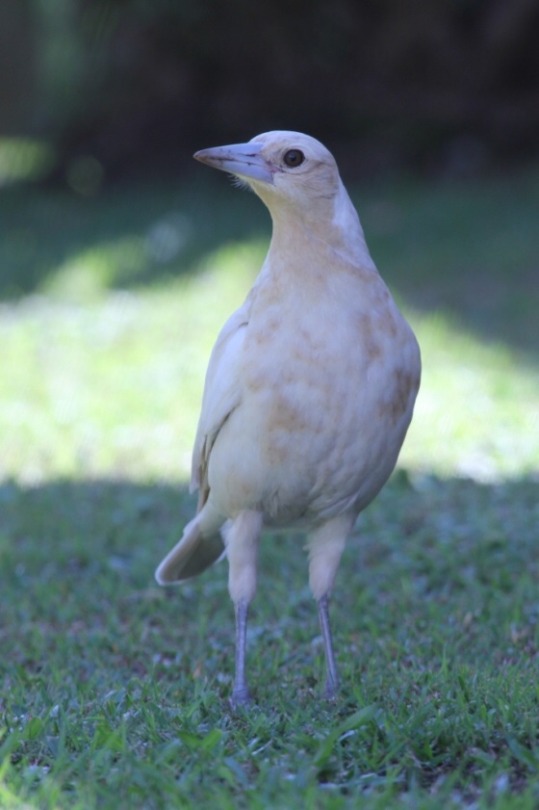
this australian magpie is an unusual color mutation that makes it appear very different than most magpies. a color mutation sometimes called ‘cinnamon’ due to the look of the bird’s coloration, it results from leucism, a lack of pigmentation.
source: (x)


this is spangles, a half-sider budgie. half-siders result when two fertilized eggs merge in development, leaving a bird with a body composed of two fraternal twins.
source: (x)

this lovebird is known as a ‘half-sider’ or tetragametic chimera. half-siders result when two fertilized eggs merge early in development, leaving each half of the body genetically seperate.
 today's bird