bird of the day: lesser kestrel

the lesser kestrel is a small falcon native to europe and asia, wintering in africa.

lesser kestrels mainly feed off of insects, and tend to live where grasshopper and locust populations thrive. in the past, pesticides have impacted the kestrels due to their diet. they also feed on small birds, rodents, and reptiles.

lesser kestrels live in cliff faces, hollows, and other preexisting cavities. in suburban environments they frequently nest in dilapidated buildings.

one of the smallest kestrels, the lesser kestrel is frequently mistaken for the common kestrel. this could benefit the lesser kestrel, as it may cause predators to avoid the smaller bird out of association.

despite being affected by some habitat loss and pesticide use, the lesser kestrel is currently rated least concern by the iucn.

(x)

bird of the day: peregrine falcon

the peregrine falcon is a large (crow-sized) falcon found on every continent besides antartica.

not only is the peregrine falcon the fasted bird, they are the fastest animal on the planet. peregrines reach over 200mph during dives for prey.

these falcons most often prey on birds, but occasionally also eat small mammals, reptiles, and even large insects.

peregrine falcons have been used for falconry by humans for over 3000 years. they are a popular choice, and known to be skilled in retrieving gamebirds.

peregrine falcons are known to thrive in urban environments, preying off of pigeons, starlings, rats, and other abundant urban animals. they naturally nest on cliff faces, and many buildings have areas that mimic this layout for nesting sites.

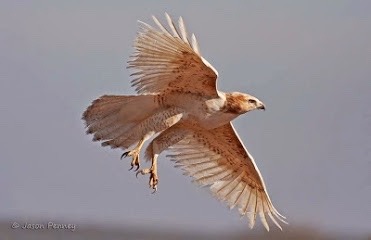
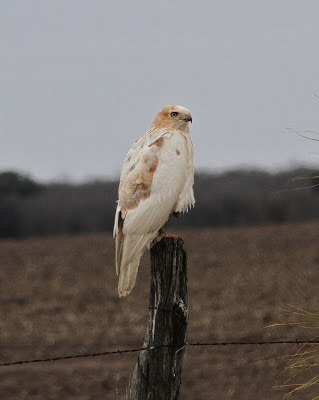
throughout their range, there is quite a bit of difference in coloration. their colors vary based on what continent and area they are from.

peregrine falcons were once in danger due to use of the pesticide ddt. after bans were put in place on ddt and breeding programs restored peregrines to the wild, their numbers rebounded. they are currently rated least concern by the iucn.

source: (x)

bird of the day: american kestrel

the american kestrel is a small falcon native to the americas. the american kestrel is both the smallest and the most common falcon in north america.

american kestrels are sexually dimorphic, and while the male and female’s plumage has lots of similarities, they can be distinguished fairly easily. like most falcons, the females are significantly larger than the males, typically by 10-15%. the male has a blue-gray color on the back and wings, where the female has brownish-red.

due to their wide range, the american kestrel varies quite a bit. it has many subspecies, and the coloration and size of these subspecies can be very different, though all are still recognizable as american kestrels.

kestrels typically hunt in an energy-conserving method – they find a perch and watch for prey to come by. kestrels feed off of large insects like grasshoppers, small rodents, birds, and reptiles.

kestrels typically nest in tree holes (sometimes ones previously used by other large birds), cliff outcroppings, and other protected nesting spots. in urban areas, they will nest on or in buildings. kestrels will also readily accept human-made nest boxes. females lay 3-7 eggs, which both parents incubate.

although the american kestrel is rated ‘least concern’ by the iucn, their population is unfortunately showing steady declines.

image source: (x)

bird of the day: the aplomado falcon

the aplomado falcon is a medium sized falcon found throughout south america, with small populations found in texas and new mexico.

the aplomado falcon feeds off of large bugs, rodents, bats, and small reptiles – but the majority of their diet consists of small birds. the falcons have been recorded with different intelligent methods of finding birds to hunt; working in pairs or groups and following maned wolves to catch the birds they flush out. while rare and expensive in captivity, some falconers use the aplomado falcon to hunt.

the female falcon is considerably larger than the male in this species. they are also overachievers when it comes to hunting – females have been recorded bringing down birds many times their size, such as ibises.

at one point, the aplomado falcon was threatened with extinction. habitat loss drove out the falcon from much of its range. however, with recovery efforts, they are now listed as ‘least concern’ by the iucn, though it should be noted that their population is declining.

image sources: (x)