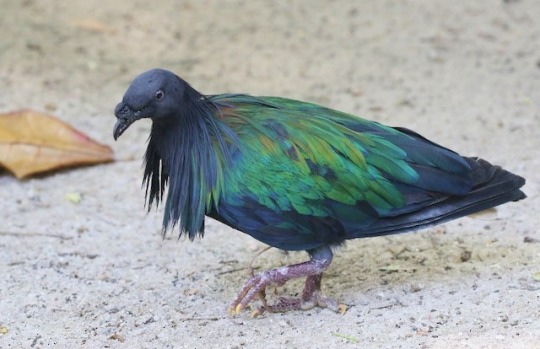
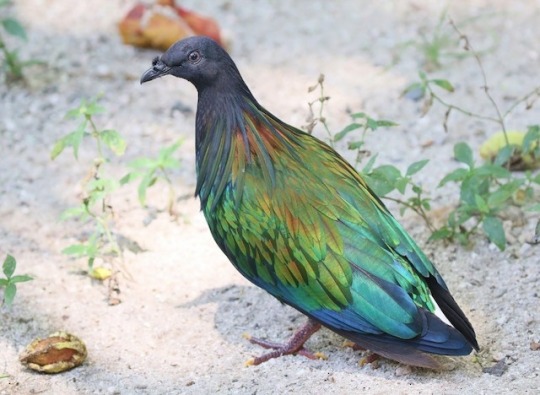
although frequently assumed to be grouped with other birds, the dodo was a large member of the pigeon family. its closest living relative is the nicobar pigeon, a bird with striking iridescent plumage that is found mainly on small islands in asia. the nicobar pigeon feeds on fruits, seeds, and insects, and lives in small flocks. adult birds have a distinct white tail; the sexes are similar, but females are slightly smaller. unfortunately, the nicobar pigeon is rated ‘near threatened’ by the iucn as of 2018, mainly due to hunting.

(x)
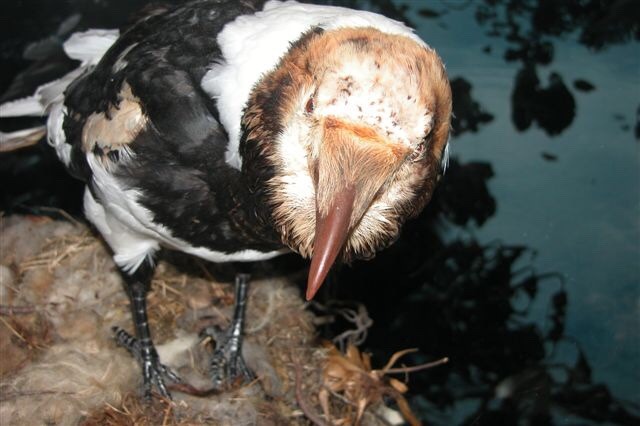
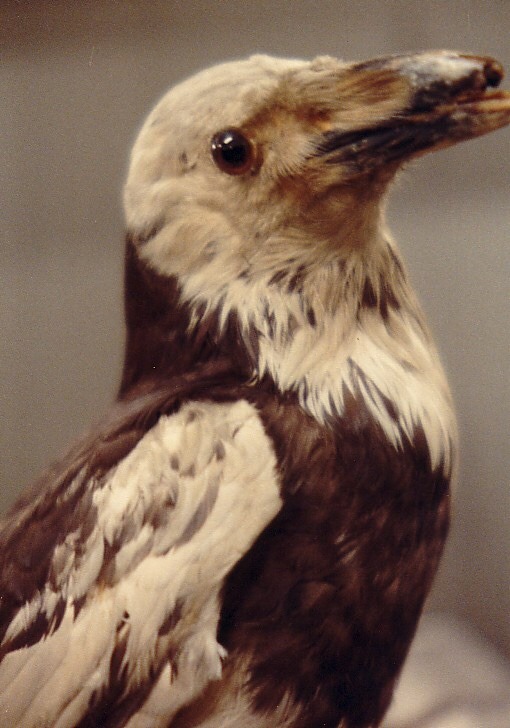
pied faroe ravens were a common color morph of ravens found on the faroe islands, sometimes considered a seperate subspecies. while it isn’t entirely uncommon for crowd and ravens to have patches of white on occasion, these birds’ coloring was very distinct. these unique birds were hunted to extinction, and now only occasional natural mutations are seen on the island.

source: (x)

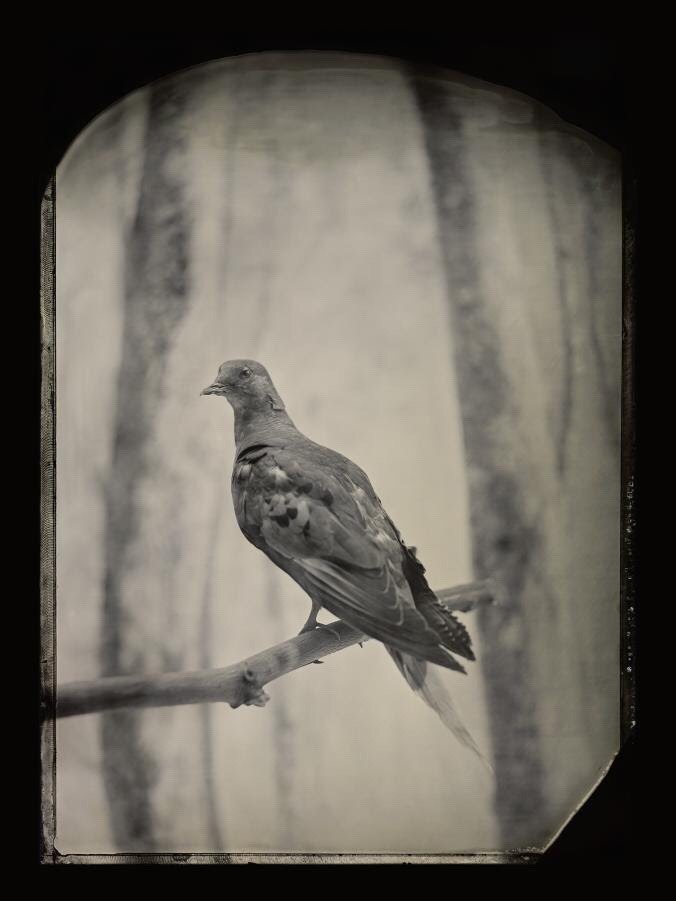
this is martha, the last passenger pigeon. passenger pigeons were once incredibly numerous, living in flocks so large they could cover the view of the sky. over-hunting and habitat loss gradually made the pigeon’s population decline, until there were only captive birds left. martha was the last known living passenger pigeon, and her death in the cincinnati zoo on september 1st, 1914 marked the official extinction of the species.

source: (x)

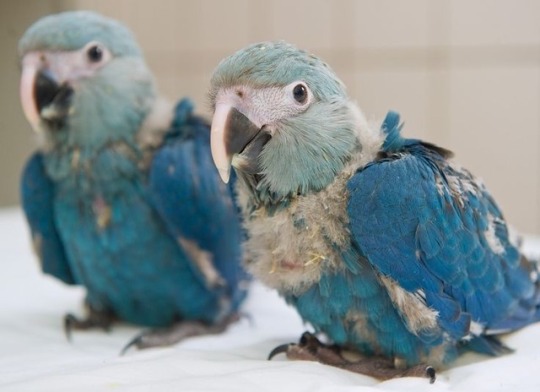
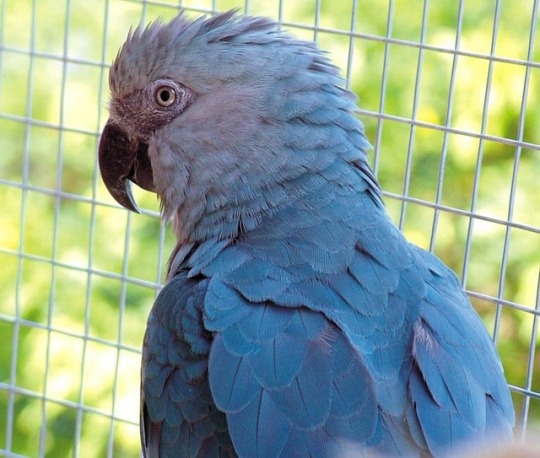
bird of the day: spix’s macaw

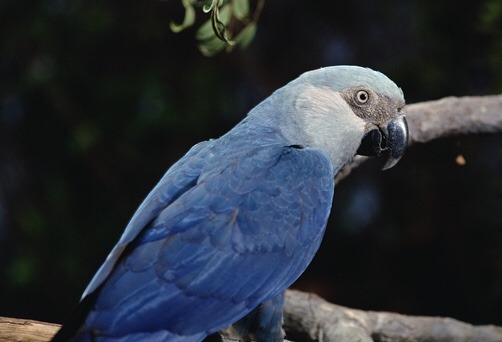
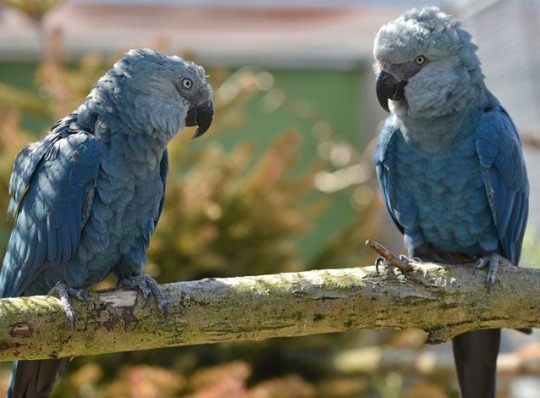
the spix’s macaw, also known as the little blue macaw, is a small macaw native to brazil.

little is known about the spix’s macaw in the wild – most studies have been done on captive birds. however, it is known that wild birds feed off of fruits, nuts, and seeds.

spix’s macaws choose their mates independently – if they are put with another macaw, they may accept or reject them, regardless of whether or not they are ready to breed. both males and females of this species share the same coloration, though males are slightly larger.

spix’s macaws make their nests in the hollows of trees. their young fledge at 70 days, and are fully independent at around 100 days of age.

unfortunately, the spix’s macaw has been declared extinct in the wild. the main causes of their population loss are deforestation, which causes massive loss of their habitat and food sources, and introduced predators. there is around 200 birds in captivity, and hopes to reintroduce some birds into the wild by 2020.

image sources: (x)