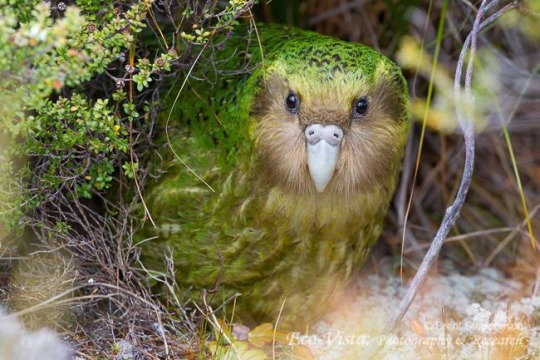
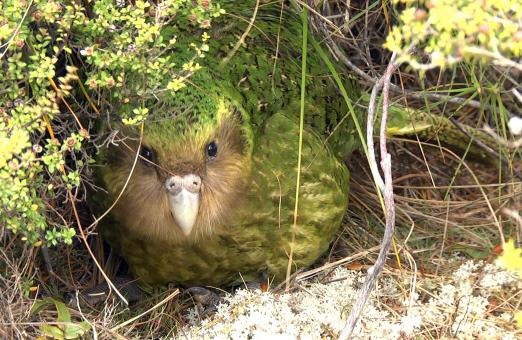
the kakapo (strigops habroptila) is the world’s only flightless parrot. the kakapo is nocturnal and is native only to small islands off of new zealand. kakapo, as of 2018, are critically endangered. kakapo are vulnerable to introduced predators, and their slow breeding cycles make recovering from population drops difficult.
the kakapo is a unique parrot native to islands of new zealand. kakapo are the world’s only flightless parrot; they also are nocturnal, and are the only parrot with a lekking system, where males build large leks (bowl-like cleared areas) and call to attract females. the kakapo is also the world’s heaviest parrot, weighing anywhere from two to nine pounds. the kakapo is critically endangered, as prior to introduction of predators to their habitat, they were almost entirely predator-free and have no real way of defending themselves.
the bali myna is a small, crested member of the starling family, endemic to bali. the bali myna is critically endangered – it is estimated there are less than 100 left in the wild. there have been attempts to reintroduce birds to the wild, but the mynas fetch high prices in captivity, and they are usually poached.
though vultures are often sterotyped as cunning and self-centered, they tend to be very loyal towards their mates. vultures like these california condors mate for years, if not for life.
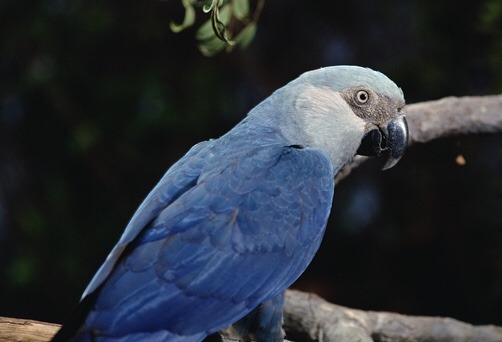
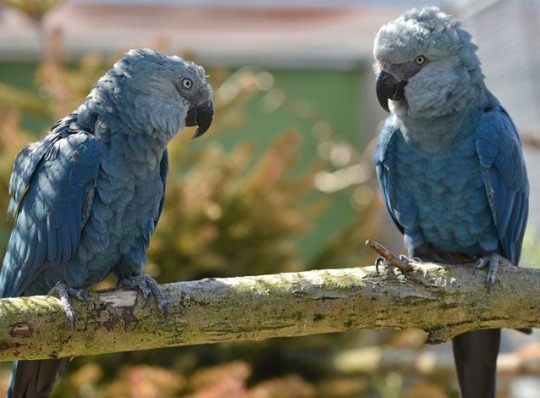
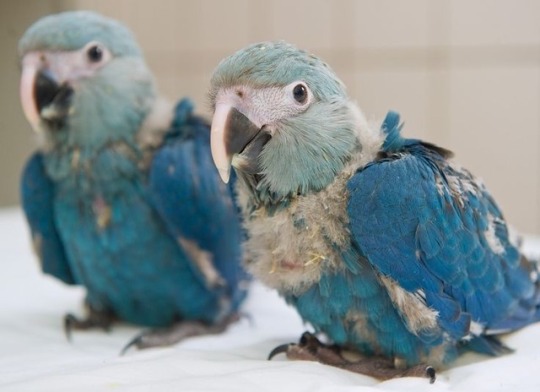
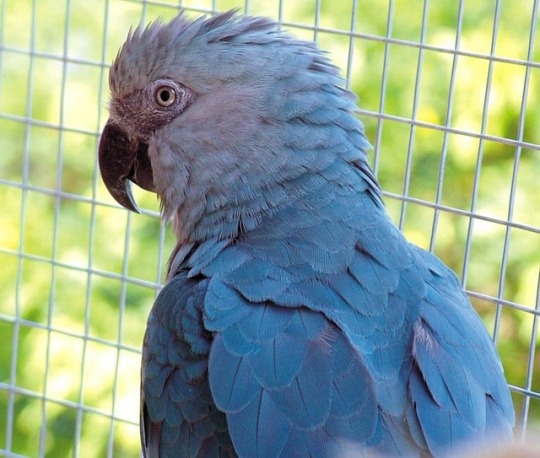
the spix’s macaw, also known as the little blue macaw, is a small macaw native to brazil.
little is known about the spix’s macaw in the wild – most studies have been done on captive birds. however, it is known that wild birds feed off of fruits, nuts, and seeds.
spix’s macaws choose their mates independently – if they are put with another macaw, they may accept or reject them, regardless of whether or not they are ready to breed. both males and females of this species share the same coloration, though males are slightly larger.
spix’s macaws make their nests in the hollows of trees. their young fledge at 70 days, and are fully independent at around 100 days of age.
unfortunately, the spix’s macaw has been declared extinct in the wild. the main causes of their population loss are deforestation, which causes massive loss of their habitat and food sources, and introduced predators. there is around 200 birds in captivity, and hopes to reintroduce some birds into the wild by 2020.
the tooth-billed pigeon is a medium-sized pigeon that lives only on the island of samoa.
this pigeon is one of the closest living relatives of the dodo. they share some of the same physical features, including the distinct hooked beak. they are sometimes known as the “little dodo” for this reason.
unfortunately, there are very few of the tooth-billed pigeon left in the world. it is estimated less than 250 remain. there are no birds at all in captivity. for this reason, they are listed as critically endangered by the iucn. habitat loss and hunting are two of the main contributing factors to their decline.




 today's bird