


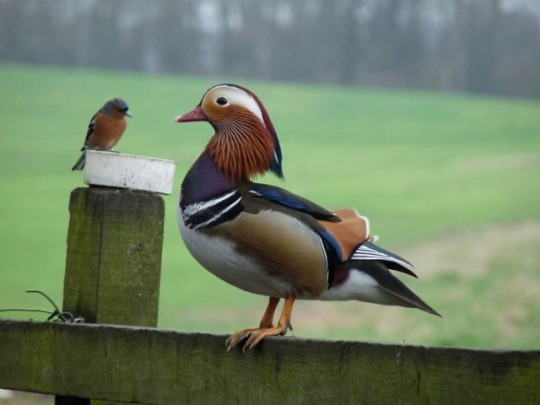
the mandarin duck is a species of perching duck native to east asia. they share a genus with only the american wood duck.
(x)
the mandarin duck is a species of perching duck native to east asia. they share a genus with only the american wood duck.
(x)

the cayuga duck is a domestic duck breed known for its metallic green plumage. cayuga ducks are believed to be descended from wild mallards who were selectively bred.
(x)


today’s bird is: this gentle mallard!
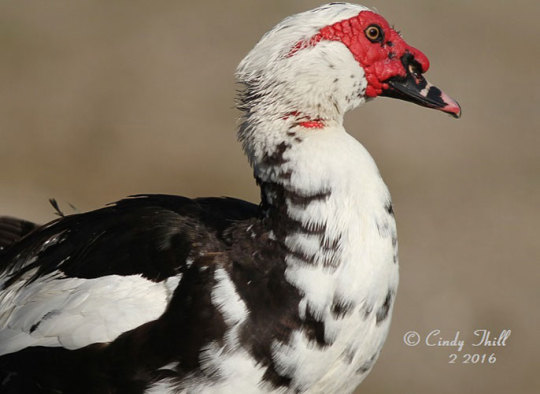
the muscovy duck is a large species of duck native to parts of south america, that has established feral flocks throughout the world. while this duck is normally native to tropical climates, they are hardy in a variety of temperatures and conditions, something that has made them popular with people and made them a success in forming feral colonies. they are easily recognized among other popular domestic ducks by their unusual facial features.
muscovy ducks are sexually dimorphic. drakes and hens can be told apart by the male’s larger caruncle (fleshy facial bit – includes wattle, snood, etc.), as well as the male being much larger than the female.
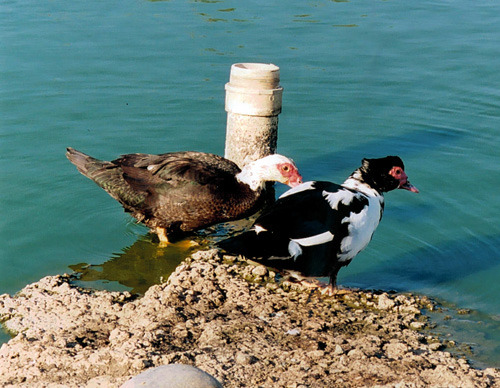
in the wild, muscovy ducks are typically mainly black with small amounts of white. due to captive breeding, these ducks are available now in a variety of colors; pure white, lavender, chocolate, and more. due to escapees into wild populations, along with feral colonies, these colors are now relatively common to see even in the wild.
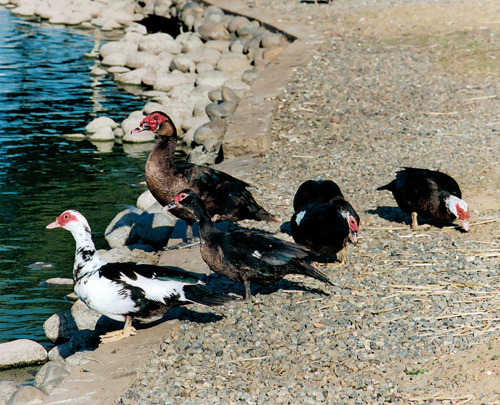
while muscovy ducks are viewed as more aggressive than other species, they are also much quieter. males produce a loud noise sometimes described as an ‘asthmatic wheeze’ – while annoying to some, they are significantly quieter than most other ducks. they tend to only quack when distressed.
while some find their appearance bizarre or ugly, there are many people who find them beautiful and charming – and they have the right to! muscovy ducks are interesting and strangely pretty, and deserve more appreciation than they get.
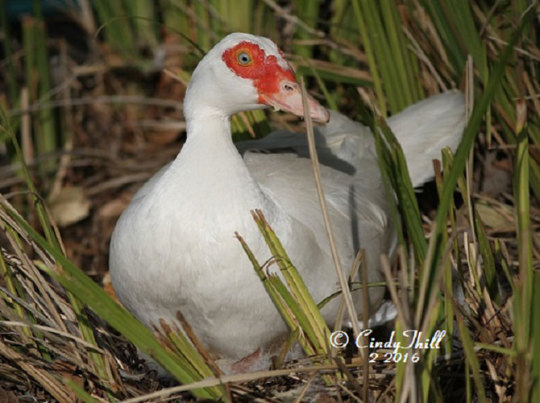
image sources: (x)
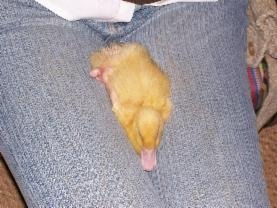
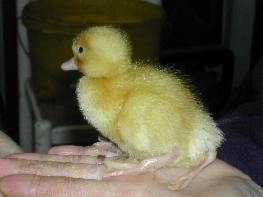
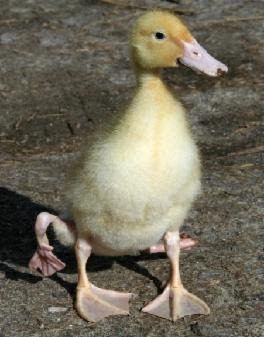
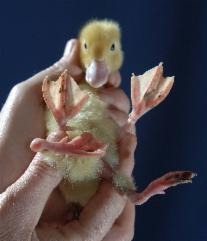
this is stumpy, a duck born with a rare genetic mutation – two extra legs. despite skepticism, stumpy lived to adulthood, though he now has only two legs. stumpy’s dna is being analyzed to better understand genetic mutations in both animals and humans.
source: (x)

the bufflehead is a small sea duck and member of the goldeneye family that is native to north america.
buffleheads are well known for their small size and head which appears to be too large for its body. buffleheads nest in tree cavities left behind by northern flickers, and it’s been suggested their small size evolved just for this purpose.
buffleheads are sexually dimorphic and easy to tell apart. like many female ducks, the female bufflehead is primarily brown. in contrast, the male has a bright, partially iridescent head, and is mostly white and black.


buffleheads feed off of insects, crustaceans, and small fish. they have also been found to feed off of plants and fish eggs.
buffleheads live in small flocks. one member of the flock is selected as a lookout to keep other flock members safe while feeding.
unfortunately, the bufflehead has suffered recently from habitat loss. they are still rated least concern by the iucn, as their numbers have stayed relatively high. hopefully steps are taken to protect the bufflehead’s habitat, and their populations stay healthy and stable.

image sources: (x)

the spectacled eider is a large sea duck native to alaska and russia.
spectacled eiders are large diving ducks that mainly feed off of mollusks and clams in the winter. in their summer habitat, they dabble in shallow water and forage on land, during which period their diet mainly consists of small fish, grain, berries, and grasses.
like all eiders, males and females are sexually dimorphic and easy to tell apart. the female is a dark brown color in contrast to the white, black, and green male. however, the female still has a pale pair of ‘spectacles’ that can be used to identify them.


the spectacled eider lives mainly at sea in the winter, occasionally coming onto shore. pairs are usually established in the winter. in the summer, eiders migrate to warmer areas, and build nests on ridges on the tundra. these nests are often reused again another year.
unfortunately, like many birds native to areas like alaska, climate change has led to habitat loss for the eiders. between 1930 and 1973, one of the main breeding populations in alaska declined by 96%. the declining numbers of the eider has led them to be listed as ‘vulnerable’ by the iucn.


today’s bird is this redhead duck!

the wood duck is a medium-sized perching duck native to north america and parts of canada and mexico. the wood duck is the second most hunted duck in america, behind the mallard. this was a problem at one point for the wood ducks, who were hunted not only for their meat but for their recognizable feathers, which were used to adorn hats. after the migratory bird treaty act was established and a limit was put on wood ducks, they slowly started to recover. wood ducks are cavity nesters, but will readily nest in human-made nesting boxes, which helped their recovery.

wood duck ducklings are ready to leave the nest the day after they hatch. with no assistance from the mother (though she does encourage them by calling), they jump from the nest to the forest floor. wood ducks are unique in that they are the only north american duck known to hatch two broods a year. the wood duck often lays an average of 20 eggs in a nest, but it’s common for them to deposit eggs in the nests of other wood ducks as well.

male and female wood ducks are easily distinguishable. the female lacks the males’ bright plumage, and is also a little smaller than the male. juvenile plumage looks very similar to the female’s.


wood ducks like nest in marshes, swamps, and bogs, and generally avoid bodies of water that aren’t surrounded with a woody area for them to nest. wood ducks form groups of up to 20, and are mostly only social with other wood ducks, avoiding other duck species. wood ducks have no close relatives in their habitat, being closely related to only one other duck, the mandarin duck, which is native to east asia. the wood duck is often described as ‘shy’, easily scared off by both humans and other ducks.


surprisingly, the wood duck sometimes is reliant on beavers. beavers create perfect habitat for wood ducks, and so wood ducks are often found nesting near beavers. expanding populations of beavers was found to help wood duck populations recover.

despite being threatened with extinction in the 19th century, the wood duck is now rated least concern by the iucn. let’s hope it stays that way & this beautiful duck stays common!
image sources: (x)
 today's bird