

peach-faced lovebirds are native to africa, but have made themselves at home in phoenix, arizona, after introduction by humans. the lovebirds are frequently observed making their nests in cactuses.
(x)
peach-faced lovebirds are native to africa, but have made themselves at home in phoenix, arizona, after introduction by humans. the lovebirds are frequently observed making their nests in cactuses.
(x)

a mother pied-billed grebe passes a feather to her baby. baby grebes may leave the nest within one day of hatching, but stay with the parents for several weeks, sleeping on their parents’ backs.
(x)

a white polish chicken. polish chickens are well-loved for their calm demeanors, but they do suffer from vision issues due to their feathers. they come in several different color variations.
(x)
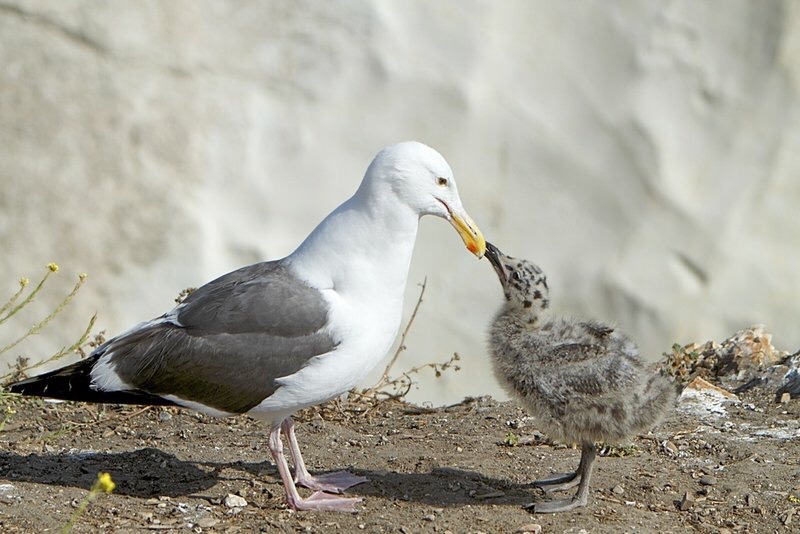
a baby western gull begs its parent for food. gulls are very devoted to their offspring, going out of their way to attack those they perceive as threats; though it has earned them a reputation for being aggressive.
source: (x)
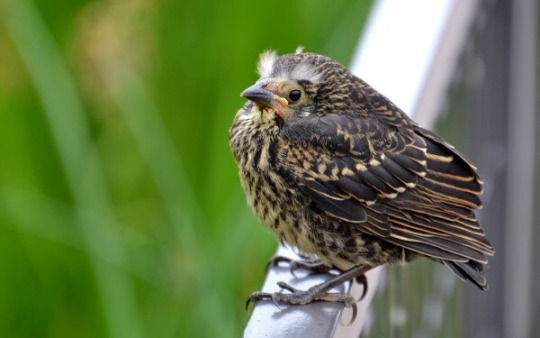
a fledgling red-winged blackbird. these birds hatch naked and helpless, but are ready to leave the nest at 11-14 days of age.
source: (x)


a father northern cardinal feeding his young. even after baby cardinals leave the nest, they continue to need help, and both parents care for them for a brief amount of time.
source: (x)

a male northern cardinal feeds his mate. cardinals are often regarded as ‘romantic’; they are devoted to their mate, and sing to and feed each other.
source: (x)
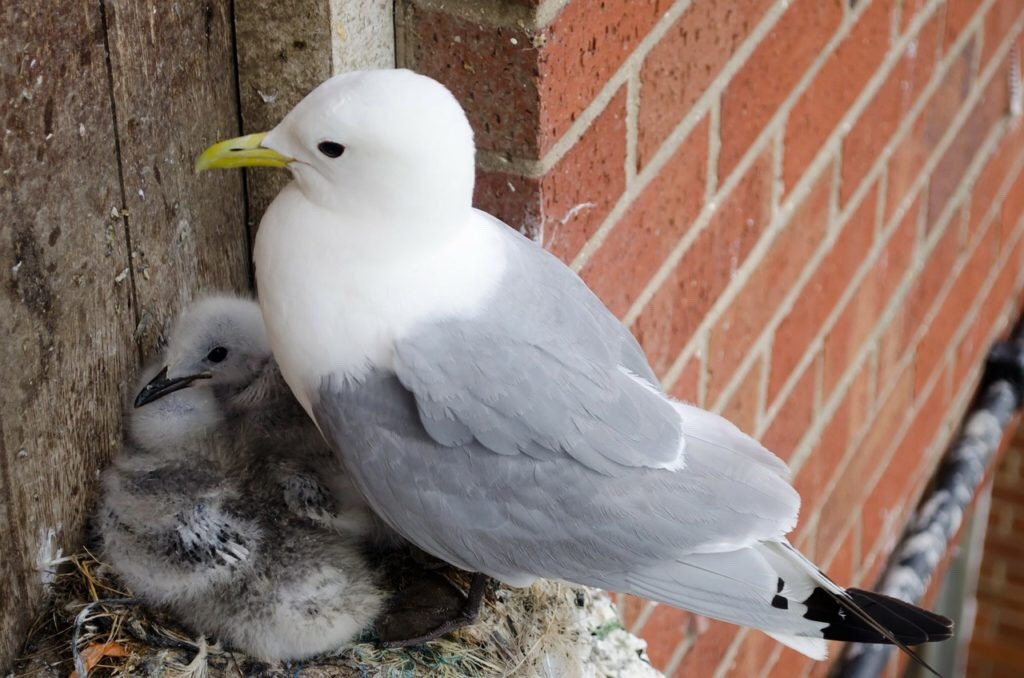
a kittiwake in the nest with its young. gulls are very fiercely protective of their babies, and both parents help to incubate and raise them.
source: (x)
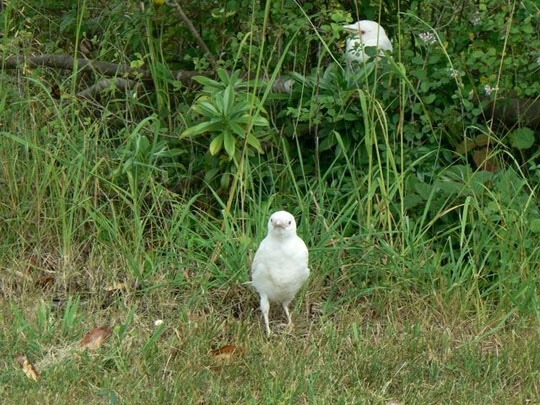
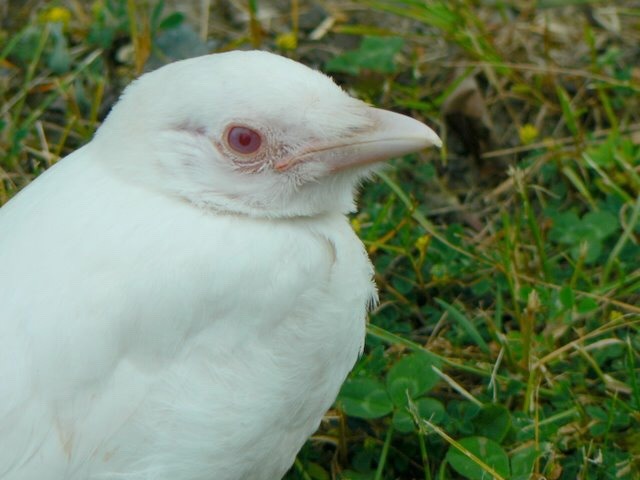
these albino crow fledglings were spotted in canada. while small white patches on crows are somewhat common, true albinism is rare. it’s rarer still that the birds make it to adulthood – their plumage puts them at a risk for predation, and gives them a likelihood of becoming outcasts in the flock.
source: (x)
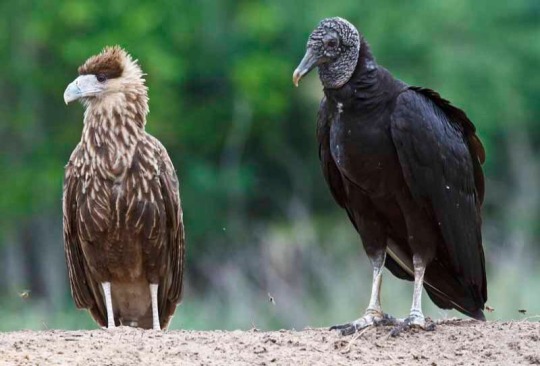
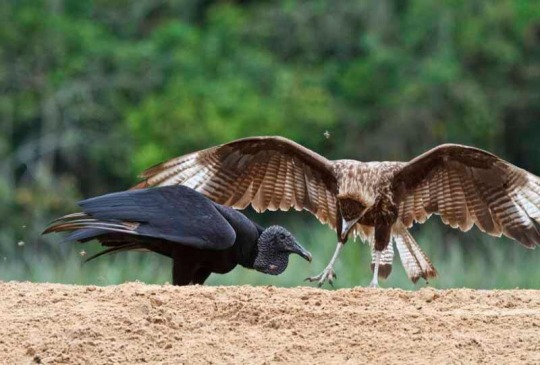
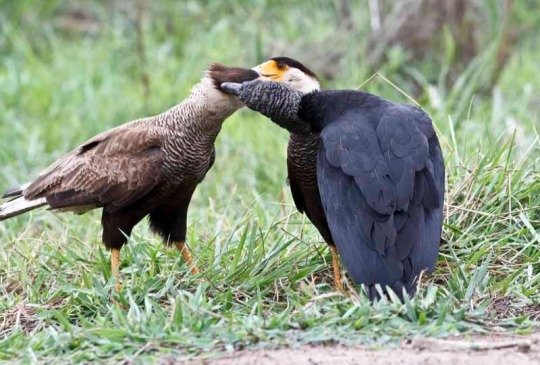
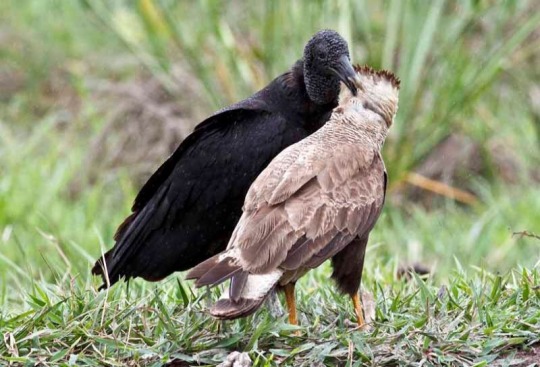
a black vulture hanging out with and preening a young crested caracara. this type of sighting may seem surprising, but isn’t unusual. though black vultures are a large bird, they are often tolerant of other scavengers sharing food with them, and can even forge friendships like this one.
source: (x)
 today's bird
