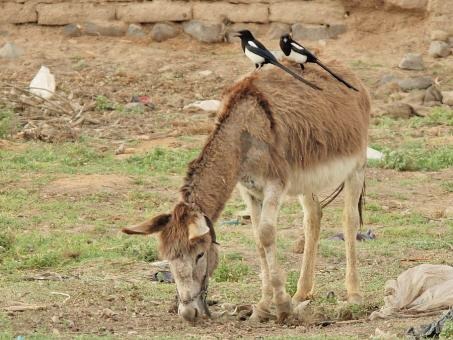
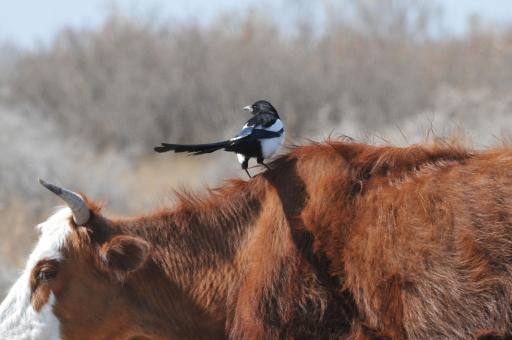
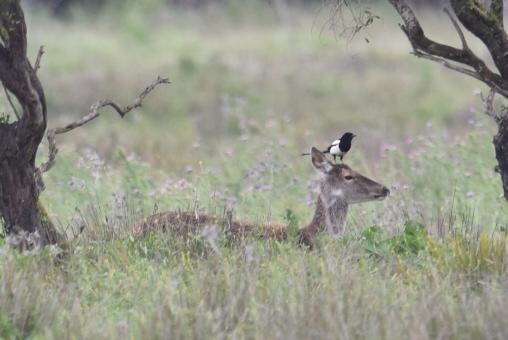
magpies have the concept of cars down they just don’t have the thumbs to execute it

(x)
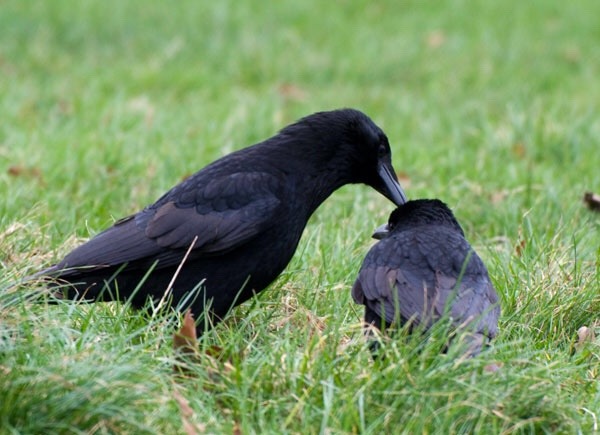
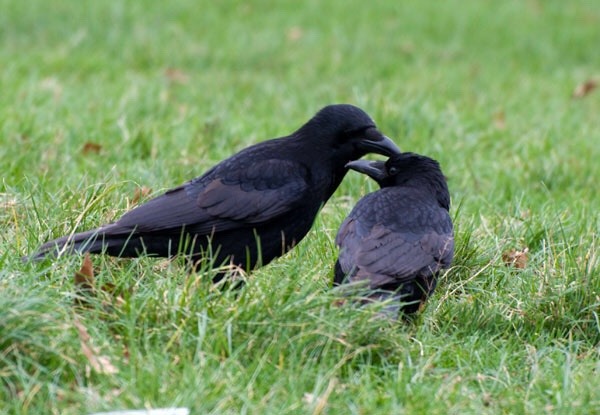
a crow preens another (presumably its mate). while crows have a reputation as foreboding and unloving, they are very devoted to their mates and flock members and frequently engage in displays of affection like this.
source: (x)
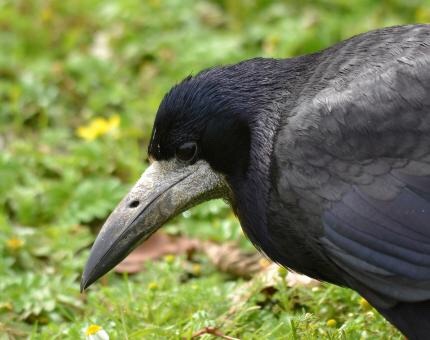
the rook is a bird belonging to the corvidae family that is native to europe, asia, and has an introduced presence in new zealand.
the rook is a medium-sized brownish-black bird with glossy feathers that are iridescent and turn purple and green in the right lighting. the rook is easily distinguished from other crows by their bare face, making them look almost as if their skull is exposed. the rook also has very fluffy feathering around the legs.
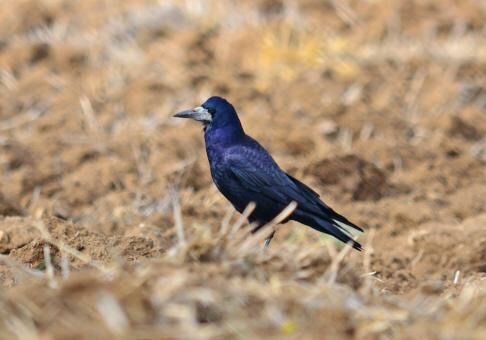
rooks are omnivorous, and feed off of insects, earthworms, grain, fruit, small animals, eggs, acorns, and crustaceans. they are opportunistic and in urban environments will seek out human scraps.
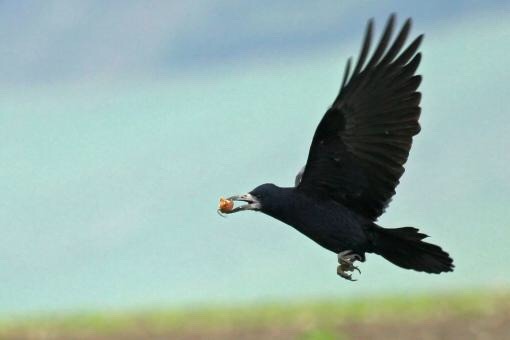
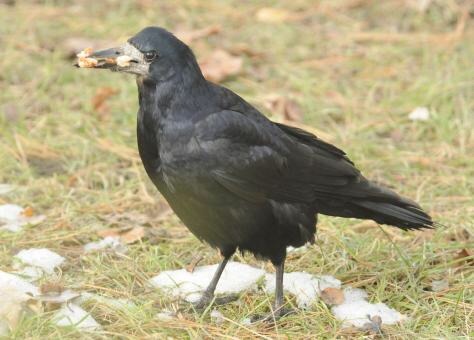
rooks are highly social birds that form massive flocks that roost together in the evenings. these flocks are sometimes viewed as disturbances.
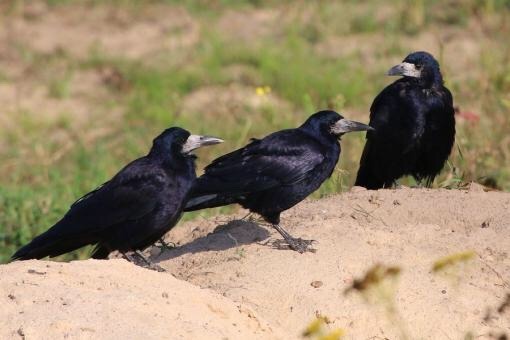
rooks are monogamous, and are highly devoted to their mates, having long-term pair bonds.
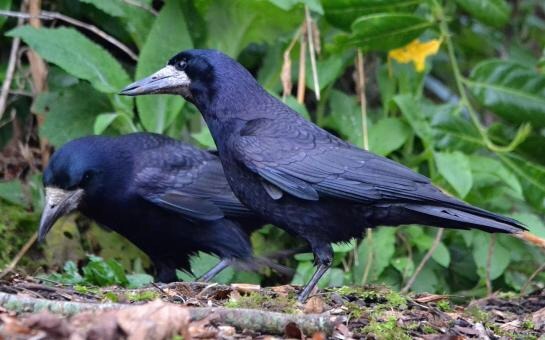
the rook is rated least concern by the iucn due to its high population numbers and the large amount of land the species inhabits.
image source: (x)
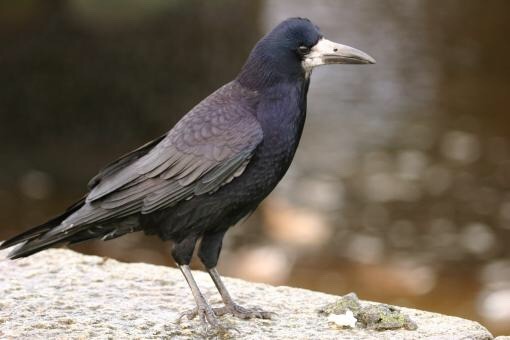
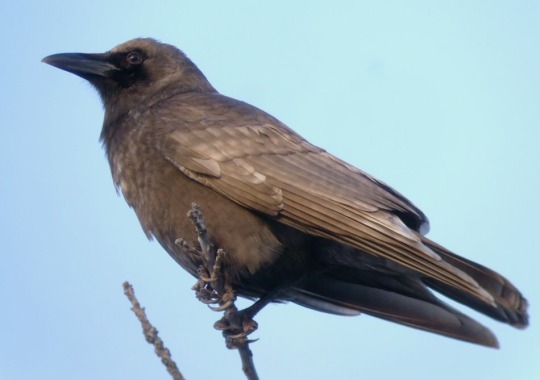
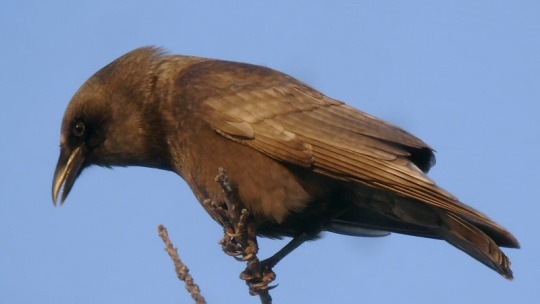
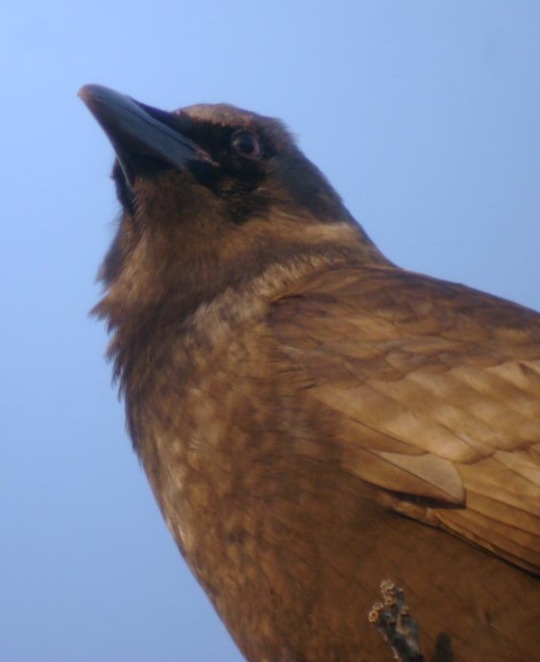
this brown crow was photographed in lansing, new york. its’ unusually light coloration is likely due to leucism, a reduction in pigmentation.
source: (x)
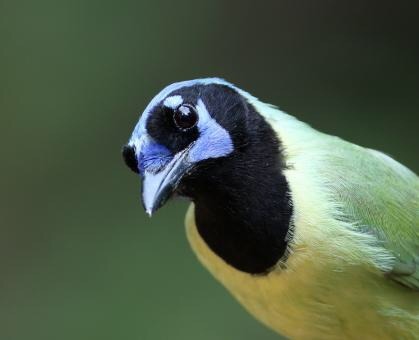
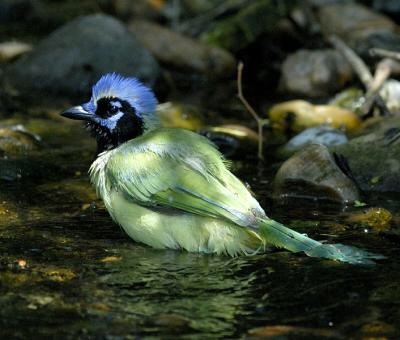
the green jay is a medium-sized corvid native throughout central america – they are found from southern texas to the honduras.
the green jay has a varied diet. they eat insects, seeds, fruits and berries, and on occasion very small mammals. they have been observed using sticks as tools to get their food.
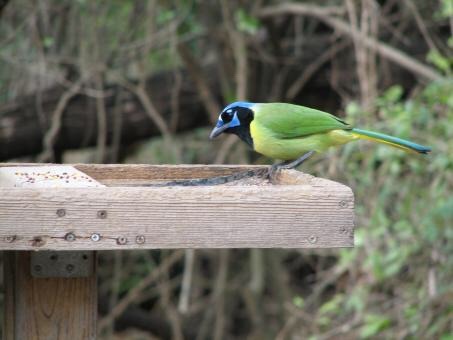
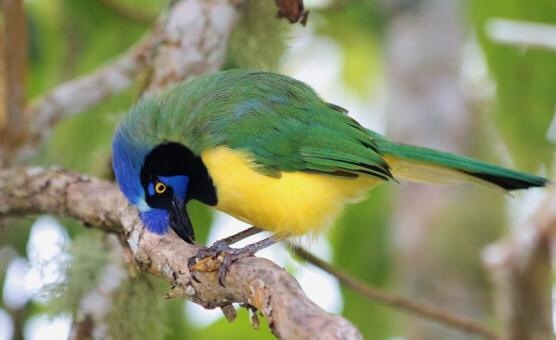
males and females in this species have the same external appearance. however, the amount of blue on the bird’s head can vary slightly according to its location.
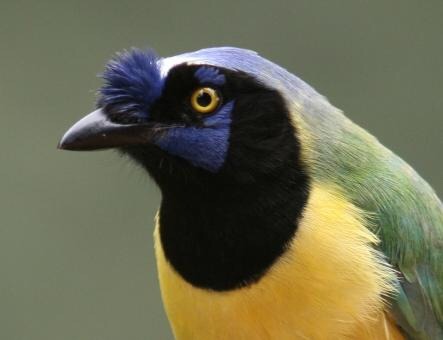
the green jay is currently rated as least concern by the iucn, as despite development in its territory it is thriving.
source: (x)
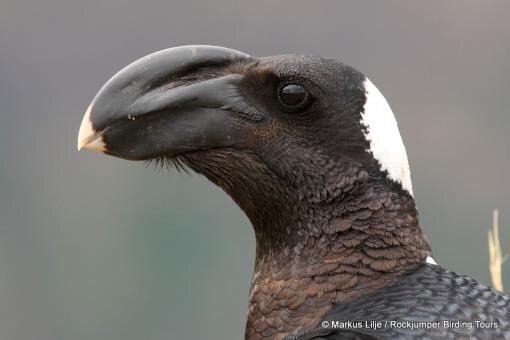
the thick-billed raven is a large bird native to africa (mainly Ethiopia), distinguished by its distinct curved and thick beak.
the thick-billed raven is the largest of the corvid family. they feed off of grubs, insects, small reptiles, carrion, and human scraps when available.
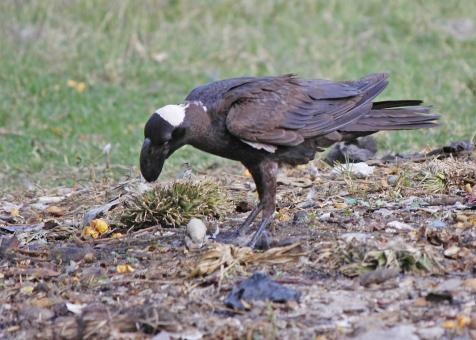
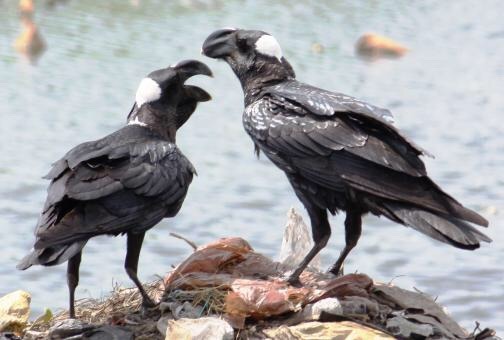
the thick-billed raven has participated in intelligence tests in captivity, and like other ravens, is considerably smart and adept at solving puzzles. they are also capable of mimicking sound and human voices, though this has only been seen in captivity.
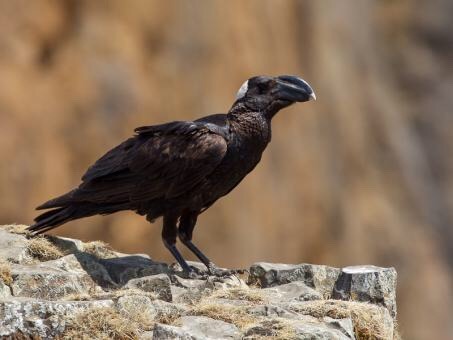
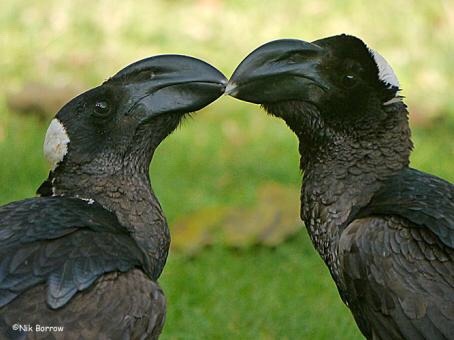
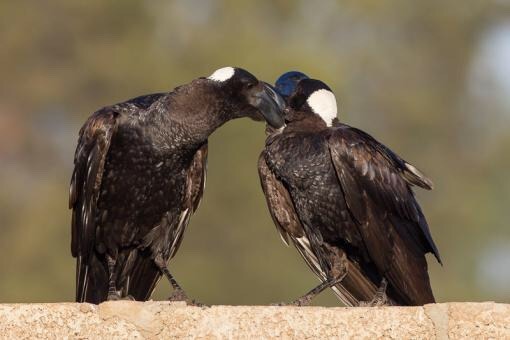
image source: (x)

the black-throated magpie jay is a large member of the corvid family, native to mexico (with a breeding population established in california). the magpie-jay is sometimes confused with relatives like the blue jay, but is usually easily distinguishable by its tail, which is extremely long for a corvid.

magpie-jays, like others of their family, are omnivorous, and eat nuts, seeds, insects, berries, and small animals like mice.
little research has been done on the magpie-jay. they are very similar to another species, the white-throated magpie jay, and interbreed regularly (it has been suggested the black-throated magpie jay is just a subspecies of the white-throated). however, they seem fairly common in their range, and have not been determined to be threatened.


 today's bird