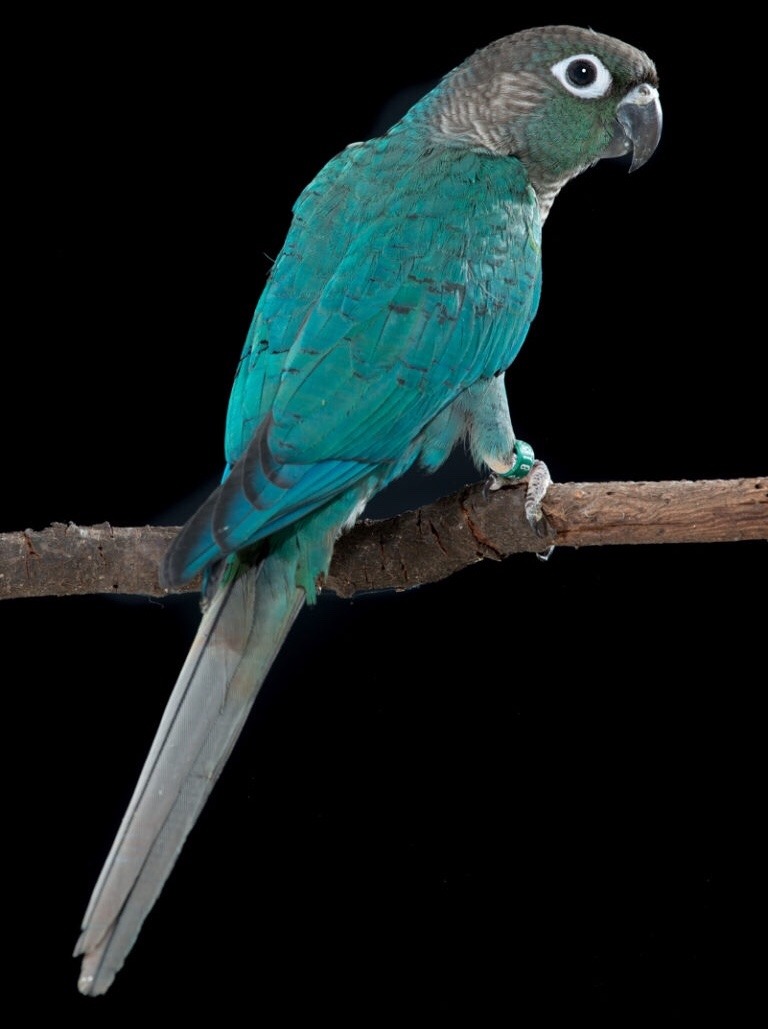
a turquoise mutation green-cheeked conure. this mutation was created through extensive captive breeding programs. naturally, these conures are only seen in their wild coloration, green.
(x)
a turquoise mutation green-cheeked conure. this mutation was created through extensive captive breeding programs. naturally, these conures are only seen in their wild coloration, green.
(x)

the half-moon conure, also known as the orange-fronted parakeet, is a medium-sized parrot that is found from mexico to costa rica.
the half-moon conure feeds on various flowers, buds, seeds, vegetation, and fruit. a known favorite of this bird is figs.

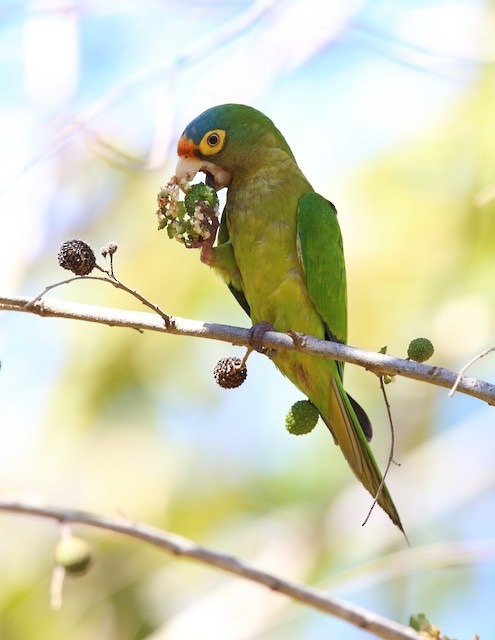
outside of the breeding season, half-moon conures live in large flocks, sometimes of over a hundred birds.


this bird has unusual nesting habits. both the male and female work tirelessly to hollow out a termite nest. once the termites create a ‘seal’ around the damage, they use the hollow within the nest to raise their young. they also occasionally use empty woodpecker hollows.

the half-moon conure has also established a breeding population in california. normally, feral parrots cannot sustain a population for a long period of time, but this flock has been recorded since 1998.

this conure is rated ‘least concern’ by the iucn, but they have suffered population declines due to trapping for the pet trade.
image sources: (x)


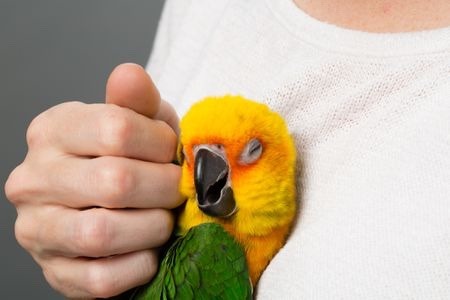
today’s bird is: these sun conures! [thank you to Sadestar on Deviantart for your submission!]


mitred conures are native to south america, but in the early 2000’s they established themselves in california. it’s uncertain how the birds arrive – theories range from a pet store fire that led to escaped birds to a dropped wild bird shipment in an airport – but it seems they are here to stay, as their numbers have rose from 50 in 2000 to 200-300. the biggest populations of the birds are in san francisco and los angeles. the birds even starred in the documentary “the wild parrots of telegraph hill”. there has been little evidence to show impact on native species (the conures tend to feed off of nonnative plants), and they are well loved by many locals.
source: (x)

the sun conure, also known as the sun parakeet, is a medium-sized parrot native to a small area of south america.
sun conures are known for being incredibly social, and usually live in flocks of 20-30 birds. when separated from the flock, birds will emit shrill screams until they are reuinited.

sun conures are monogamous, and pairs nest in hollows made in palm trees (in areas where there is lack of appropriate nesting spots, they have also been observed making these hollows in poles supporting power lines).


sun conures have become a relatively popular bird in the pet trade, though they aren’t easy to care for. while they are known for being charismatic and friendly, they also hold a reputation for screaming loudly and sometimes constantly, and being emotionally needy, as their social behavior from their wild flocks translates to social behavior with their designated person.


unfortunately, sun conures are endangered. they have faced population decline from habitat loss, but the main cause is trapping for the pet trade. there are currently more sun conures as pets than there are in the wild.
image sources: (x)

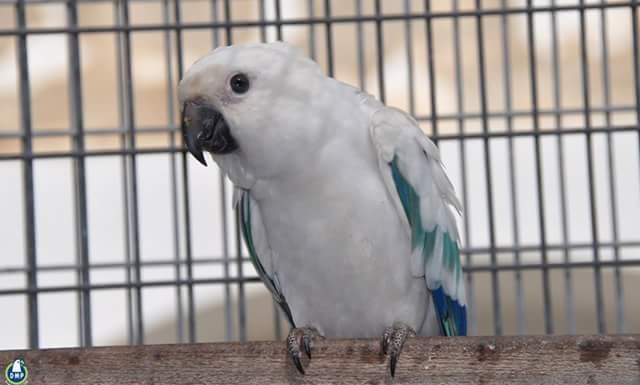
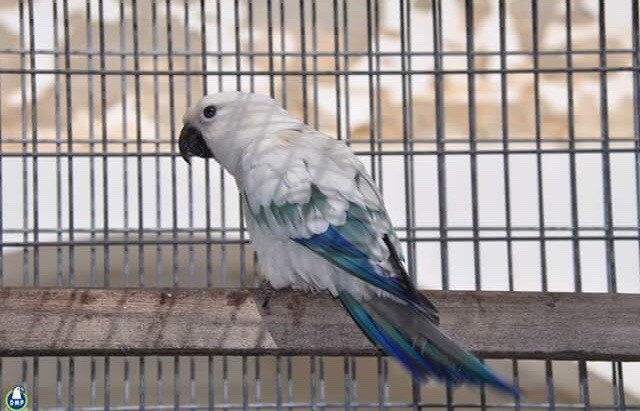
this is a rare blue mutation sun conure. sun conures are typically known for their orange and yellow hues with green accents, but this bird, produced through captive breeding, is an exception.
source: (x)


this is a sun conure with the red factor mutation. normally, sun conures’ upper half is bright yellow and orange, where red factor birds it is red. this mutation has never been seen in the wild and is the product of selective breeding.
source: (x)
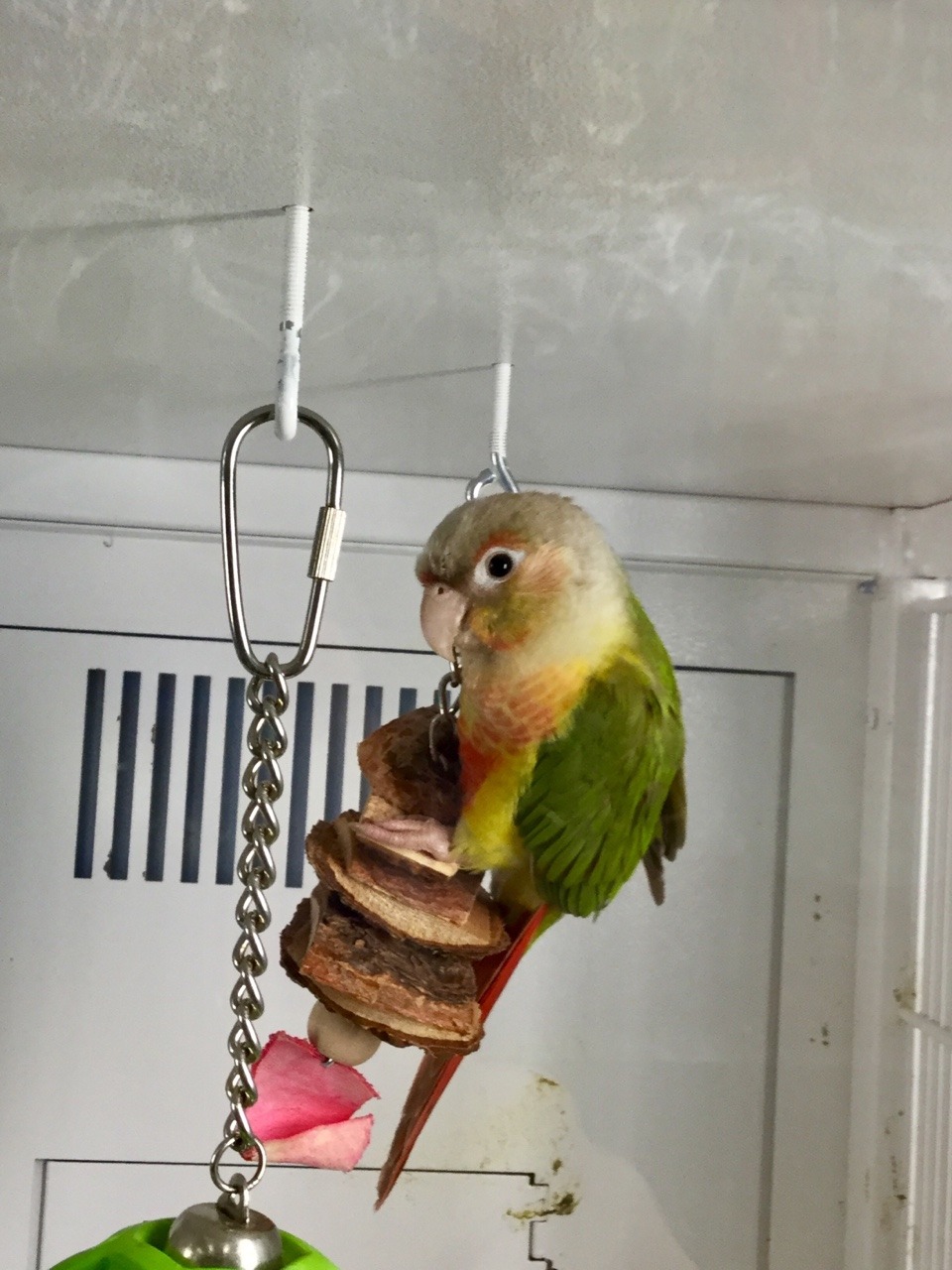

todays bird is: chicken the pineapple green cheeked conure at petco!


this is a “sunday” conure, the result of hybridization between a sun conure and jenday conure. this kind of hybridization is fairly common in captivity, fetching prices similar to “designer” dog breeds, but is very rare in the wild.
source: (x)
 today's bird