


an unusual but natural hybrid between a varied bunting and painted bunting. although not very common, these hybrids occasionally occur where the two species’ territories overlap.
(x)
an unusual but natural hybrid between a varied bunting and painted bunting. although not very common, these hybrids occasionally occur where the two species’ territories overlap.
(x)


painted buntings are a small member of the cardinal family native to a tiny range in mexico. painted buntings are threatened by habitat loss, as they have such a small range that even relatively small amounts of development can devastate them.
(x)
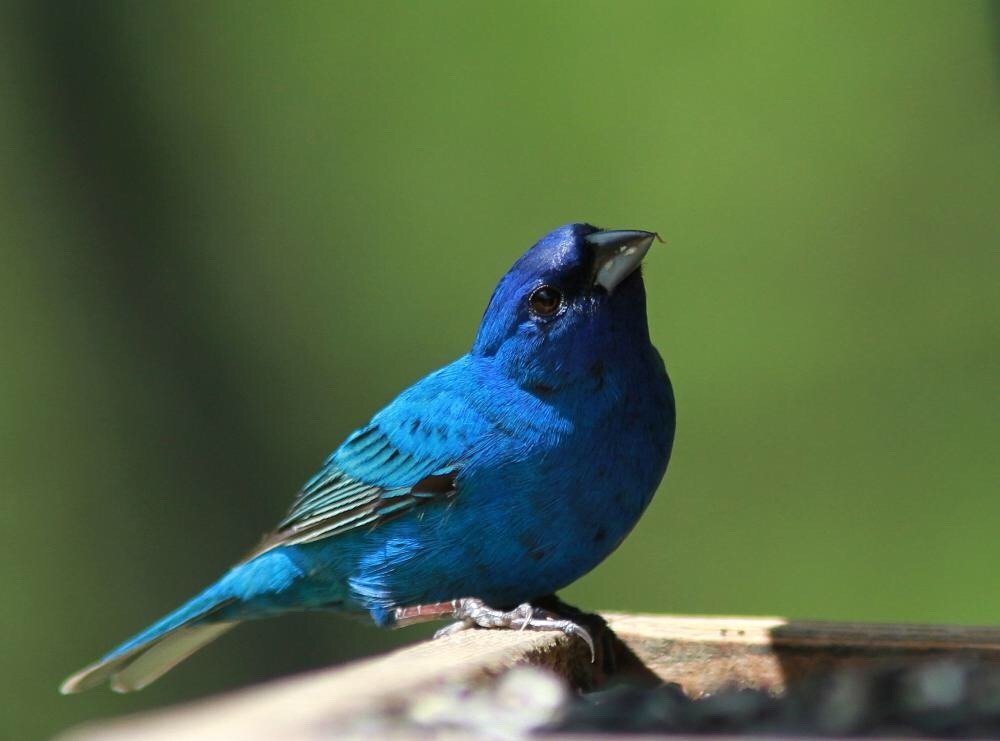
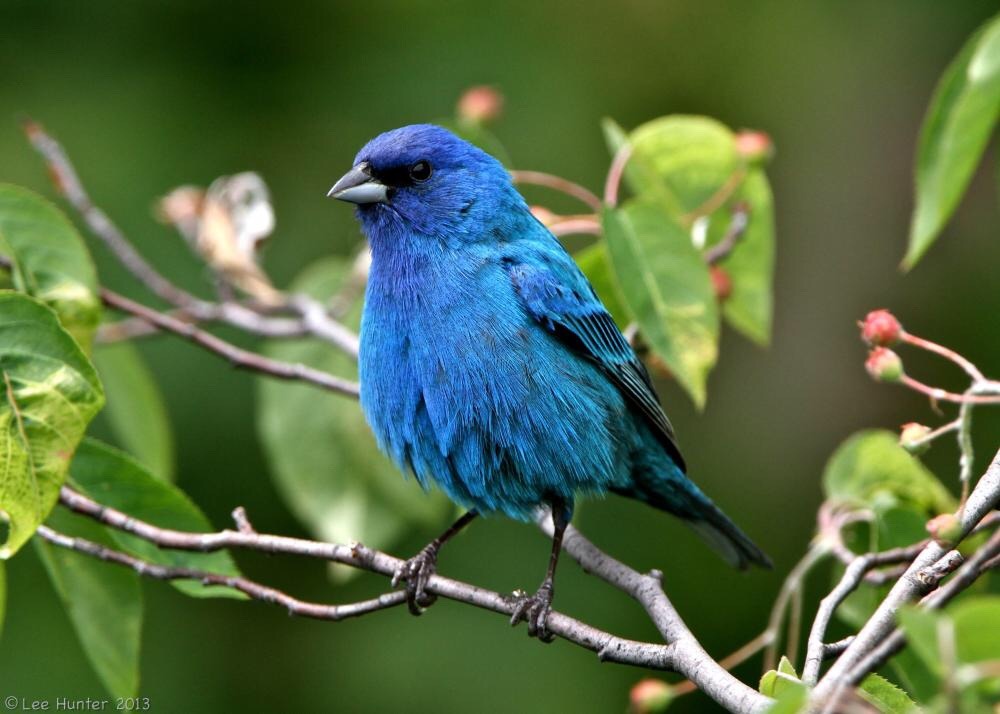
indigo buntings are a small member of the cardinal family found in north america (and south america during the winter). in fall and winter, the male and female buntings look the same, but in spring males molt into striking blue plumage.
(x)

the varied bunting is a small member of the cardinal family native to new mexico, arizona, texas, and mexico.
varied buntings are well known for their vibrant purple and red plumage. only male buntings are this colorful; females are easy to tell apart from males, as like many other bunting females, they are a plain brown.


these buntings eat mainly fruit, insects, and seed, and generally forage on the ground for their food. they occasionally can be tempted to birdfeeders with birdseed or fruit.


varied buntings create ‘open-cup’ nests out of grass and spiderwebs, usually hidden within thorny shrubs to protect the young. the female typically lays two to five eggs, which are incubated for fourteen days. the young fledge at only ten days old. varied buntings usually choose dry habitats, and will seek out nesting spots near water sources.


the varied bunting is currently rated ‘least concern’ by the iucn, though unfortunately, its population is declining.
image source: (x)


this unusual bird is the result of a natural hybridization between an indigo bunting and a lazuli bunting.
source: (x)
 today's bird