bird of the day: lesser kestrel

the lesser kestrel is a small falcon native to europe and asia, wintering in africa.
lesser kestrels mainly feed off of insects, and tend to live where grasshopper and locust populations thrive. in the past, pesticides have impacted the kestrels due to their diet. they also feed on small birds, rodents, and reptiles.

lesser kestrels live in cliff faces, hollows, and other preexisting cavities. in suburban environments they frequently nest in dilapidated buildings.


one of the smallest kestrels, the lesser kestrel is frequently mistaken for the common kestrel. this could benefit the lesser kestrel, as it may cause predators to avoid the smaller bird out of association.

despite being affected by some habitat loss and pesticide use, the lesser kestrel is currently rated least concern by the iucn.
(x)


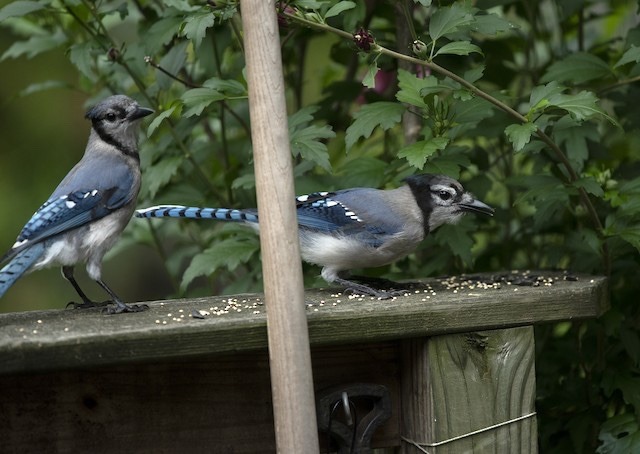
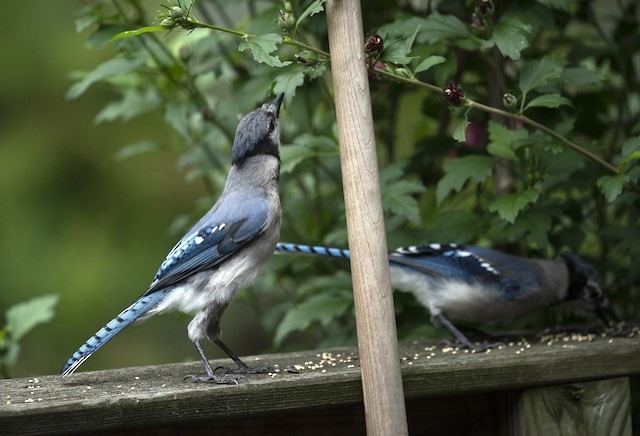

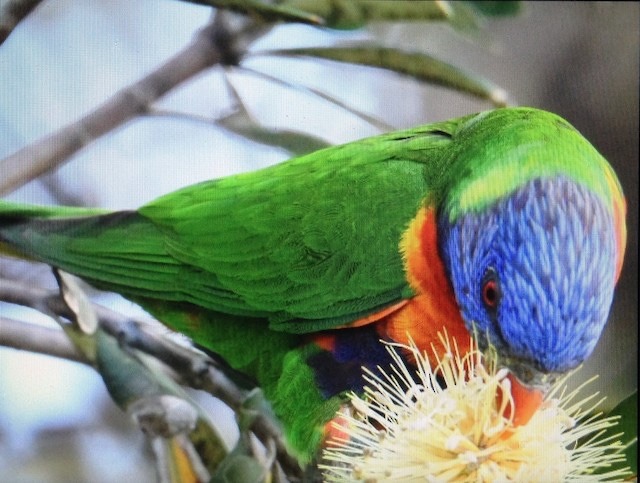
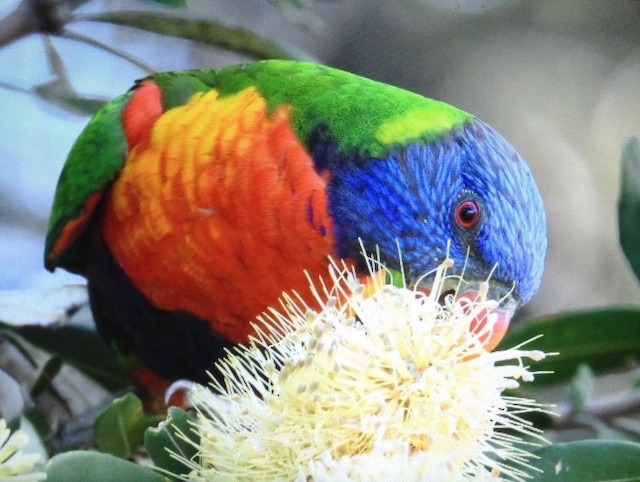


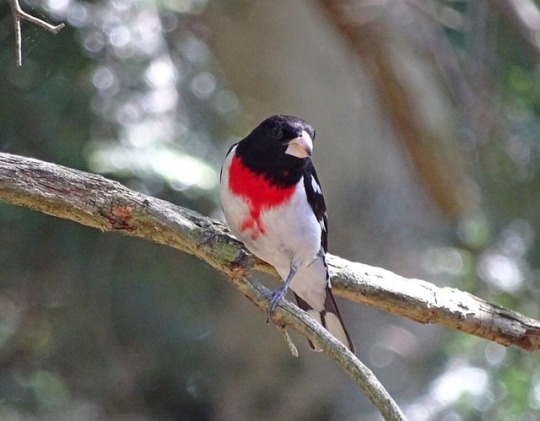
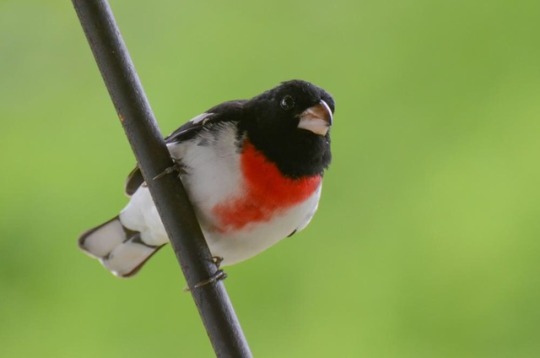
 today's bird