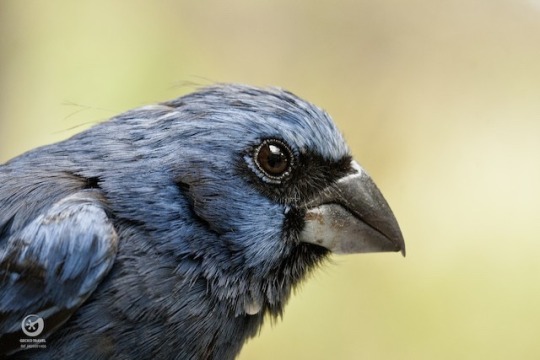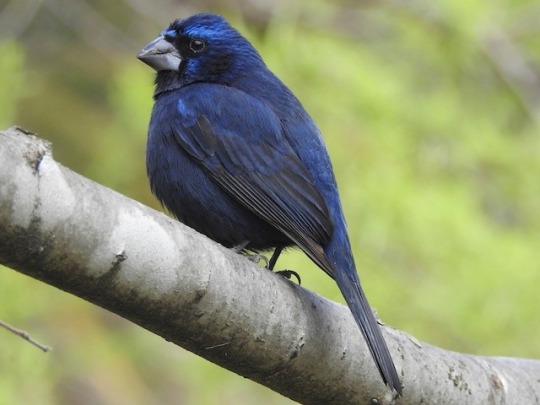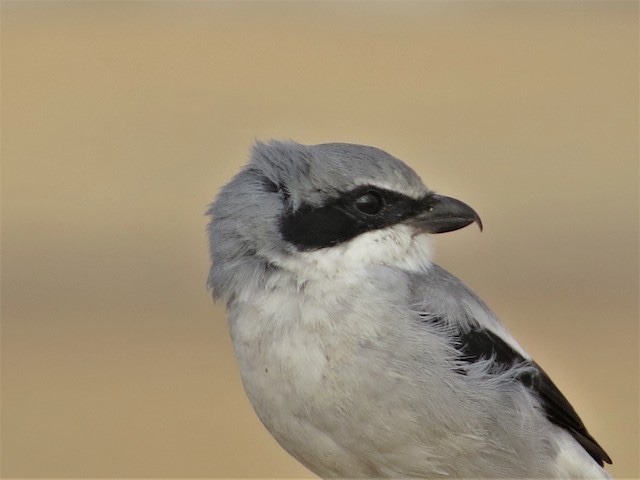
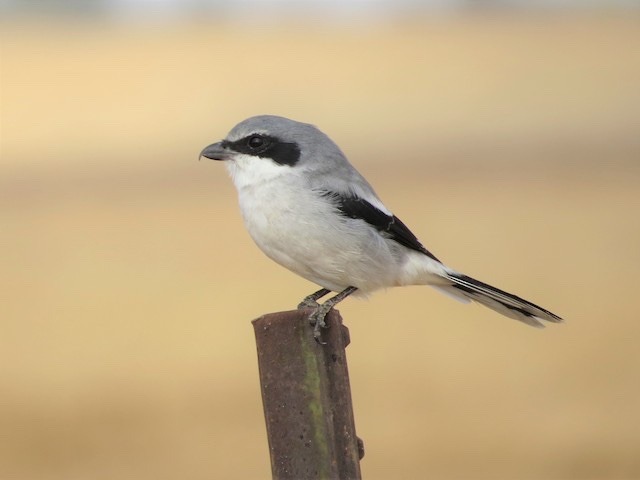
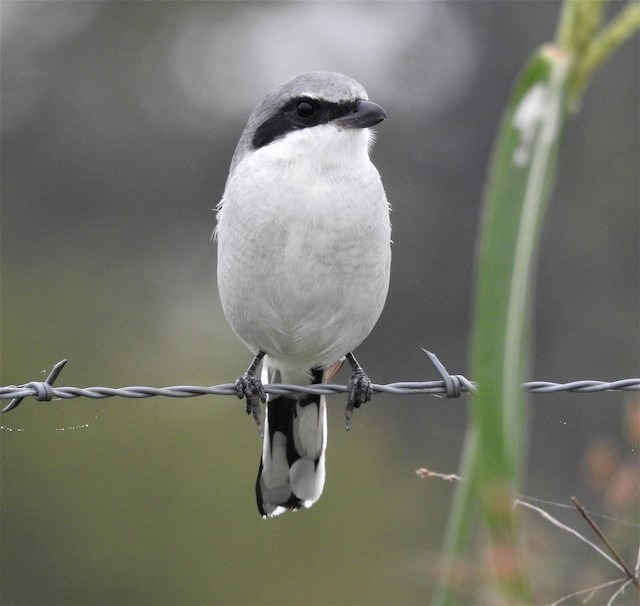
though loggerhead shrikes may appear cute and fluffy, a little like shrunken mockingbirds with oversized heads, their gruesome eating habits have named them the nickname of ‘butcherbirds’. shrikes take their prey (sometimes their own size or larger) and pinch down on the neck with their beaks, rendering them paralyzed, then shake their heads rapidly to snap the neck. shrikes store their food by impaling it on sharp sticks or barbed wire; sometimes a shrike’s cache looks like a bizarre collection of small animals hung on a fence.

(x)
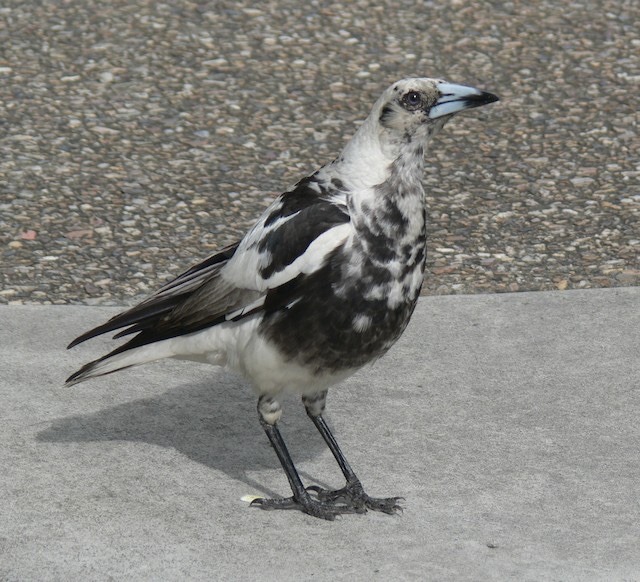
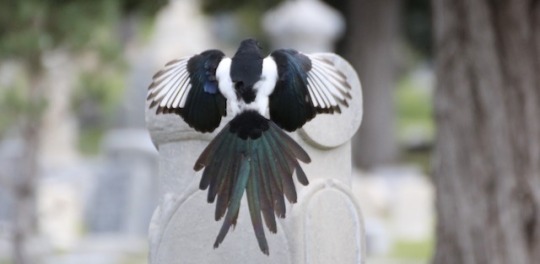
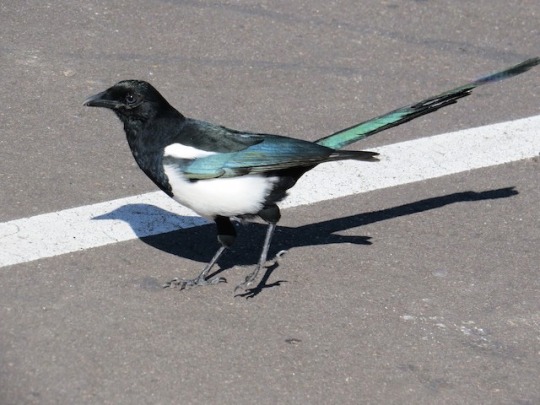
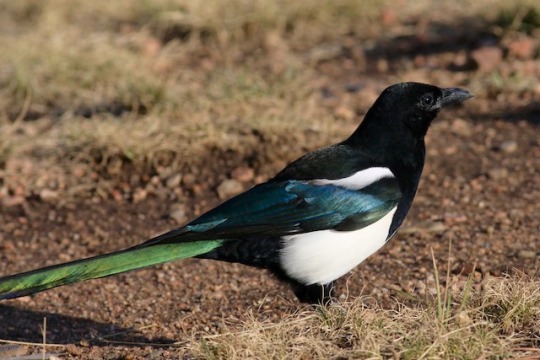
though very hard to visibly differentiate from the european magpie, the black-billed magpie is native to the western half of north america, and is more genetically similar to the yellow-billed magpie, another north american species. magpies are known for their intelligence, and black-bilked magpies have adapted well to urban environments.

(x)

bird of the day: short toed snake eagle

the short toed snake eagle is a large bird of prey found in parts of europe, asia, and africa.

part of the short toed snake eagle’s name comes from its diet. 70-80% of the bird’s diet consists of reptiles, mainly snakes and lizards.

the snake eagle has varied plumage throughout its range, and several subspecies exist. however, the eagle is off-white with brown blotches, though the amount of brown on the bird varies.

these birds can reach up to 17 years of age. their breeding is relatively slow – while many birds produce clutches of multiple eggs, snake eagles lay only one egg.

short-toed snake eagles are rated least concern by the iucn, but their population sizes are decreasing, in part due to habitat loss and hunting.

(x)

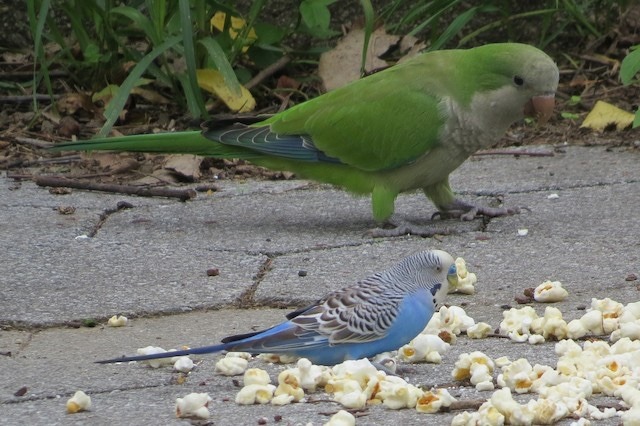
a feral budgerigar and quaker parrot feed alongside each other on spilled popcorn. through budgerigars are native to australia and quaker parrots are native to south america, both parrots have established feral populations in the united states, and surprise some by being commonly found in urban environments.

(x)