
a ring-billed gull appears to swoop through a rainbow. these gulls are native to the americas. once found mostly by the sea, they have increasingly become adapted to urban environments where they can sustain themselves on human leftovers.
(x)
a ring-billed gull appears to swoop through a rainbow. these gulls are native to the americas. once found mostly by the sea, they have increasingly become adapted to urban environments where they can sustain themselves on human leftovers.
(x)
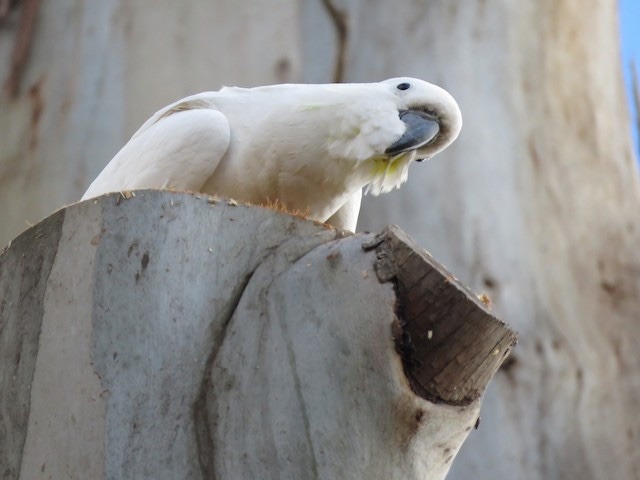
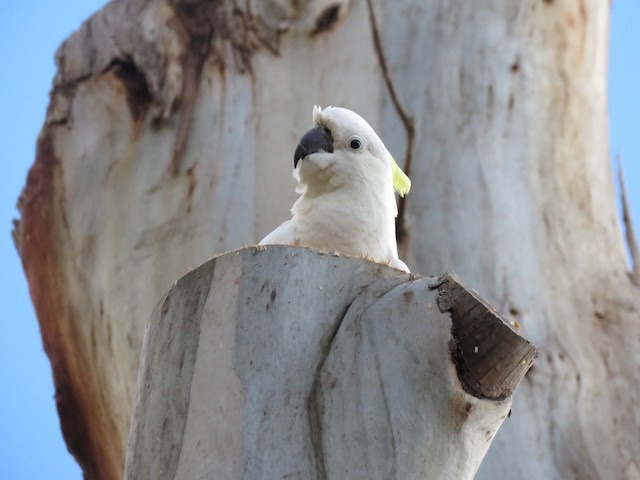
sulphur-crested cockatoos, native to australia, nest in tree hollows lined with wood chips. both parents work together to incubate the eggs then feed and raise the nestlings.
(x)
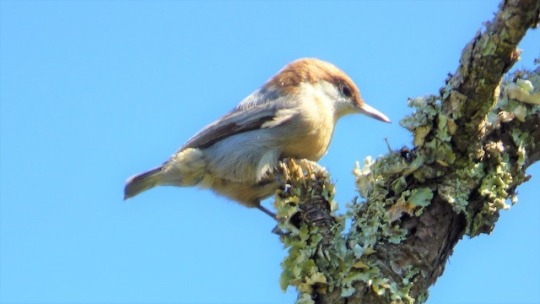
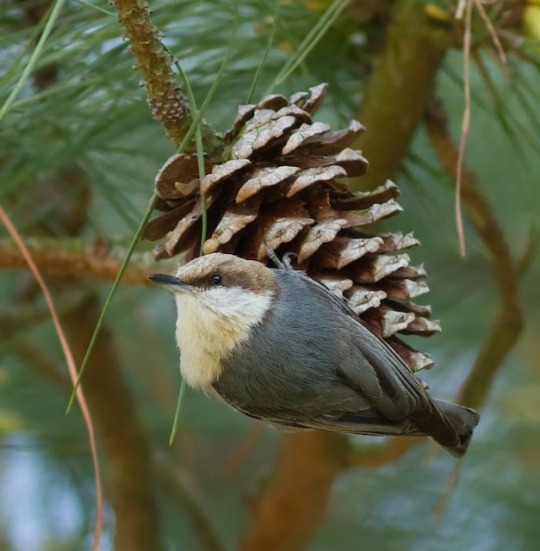
the brown-headed nuthatch is a small passerine bird native to the southeastern united states. this nuthatch matches the pygmy nuthatch for size, making them the two smallest nuthatches. brown-headed nuthatches scurry along tree trunks and forage for insects in the bark.
(x)
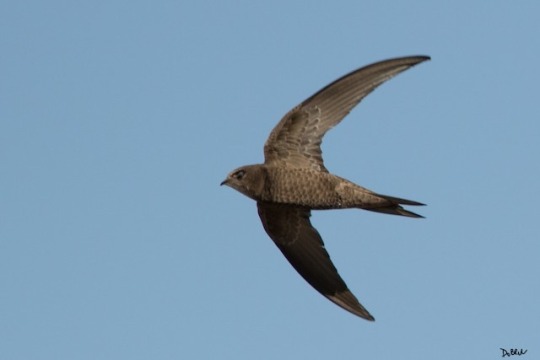
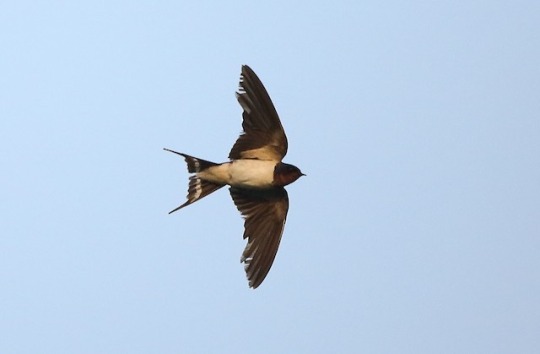
despite having very similar distinct body shape & behavior, swifts and swallows are only very distantly related. the two families are an example of convergent evolution – when two unrelated organisms evolve the same traits for the same purpose. despite looking very much like swallows, swifts are actually closely related to hummingbirds.
(x)
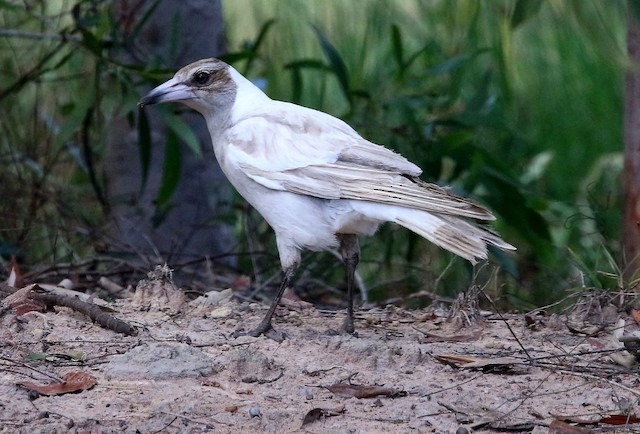
australian magpies are medium-sized passerine birds native to australia. typically black and white, this unusually pale member of the species likely is leucistic. leucistic birds have a lack of pigmentation that can display either as overall paler birds, like this one, or ‘pied’ birds.
(x)


brown-headed cowbirds are medium-sized songbirds native to the americas. cowbirds are notorious for being brood parasites. cowbirds lay their eggs in the nests of other species, and allow them to raise their chicks. some species have grown wise to this, and will remove the egg – and some of the time, the cowbird parents will enact revenge by destroying the rest of the eggs in the nest. cowbirds are named for their tendency to follow large animals to catch the insects they stir up.
(x)
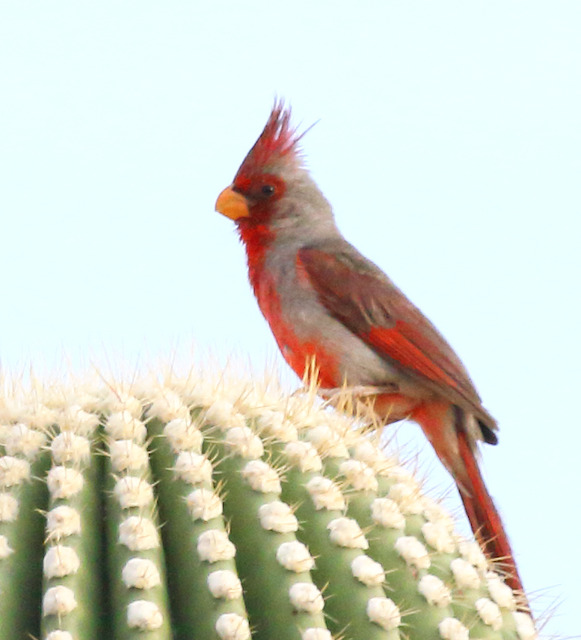
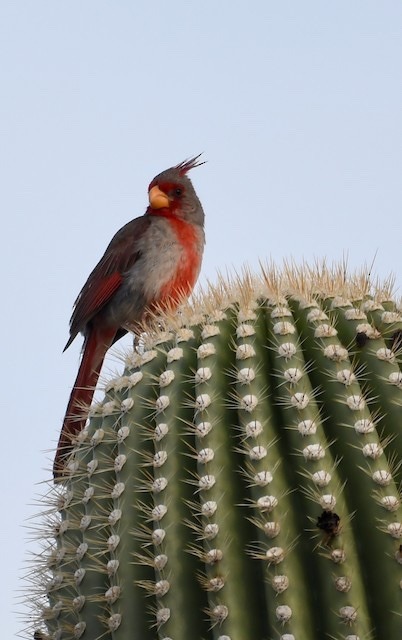
the pyrrhuloxia or desert cardinal is closely related to the familiar northern cardinal, but inhabits drier desert-like habitat. they are native to parts of the southwestern united states and mexico. the birds pictured may be foraging for cactus fruit, an unusual part of the bird’s diet.
(x)

the laughing kookaburra is a large member of the kingfisher family native to australia.
though there are five kookaburras, the laughing kookaburra is commonly just known as ‘kookaburra’ and is the most familiar of the five to many people. this is partially because of their distinct call. a territorial call of the laughing kookaburra is to make several soft ‘chuckling’ noises, then throw their heads back and laugh maniacally, generally with several other members of the flock joining in.
kookaburras are carnivorous. while they don’t feed on fish or aquatic animals often like other members of the kingfisher family, they have a similar hunting style, waiting on a branch until prey comes by and then diving. they mainly feed on snakes, small reptiles, rodents, bugs, and baby birds.

kookaburras are monogamous and pair for life. their nestlings are raised either in tree hollows or excavated ant nests. sometimes, up to five offspring from previous clutches accompany the parents in raising the babies.


the laughing kookaburra is rated least concern by the iucn. even with development of their habitat, they have stayed common and have adapted well to suburban environments.
(x)


a purple finch perches on a flower, eating off the flower buds. purple finches are native to north america – they are the state bird of new hampshire. purple finches are commonly mistaken for house finches, which are more territorial and frequently outcompete purple finches for nesting space.
(x)
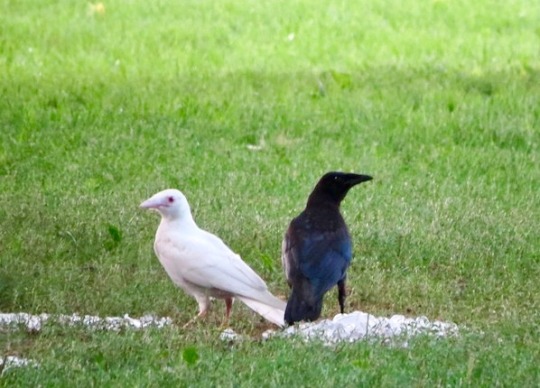
albino and normally colored american crows stand next to each other. albino crows rarely make it to adulthood; they are often ostracized by their peers, more visible to predators, and have weaker eyesight and feathers due to lack of melanin.
(x)
 today's bird