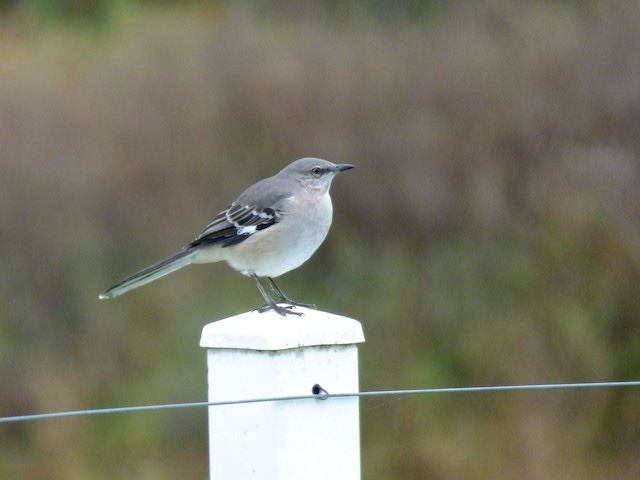
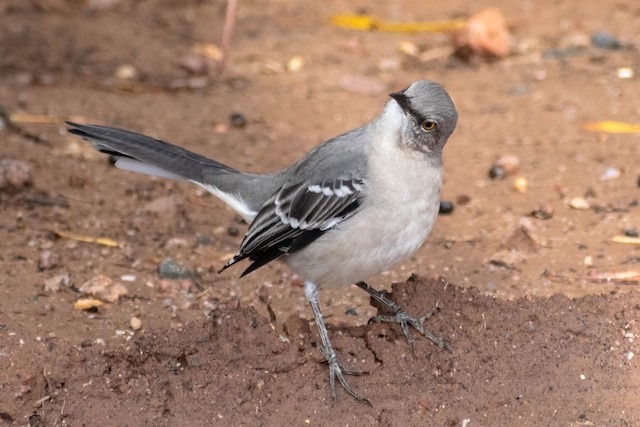
northern mockingbirds are found in north america, mexico, and small areas in south america. known for their extensive ability to mimic, mockingbirds can produce sounds of other birds, car alarms, animal sounds, and more. mockingbirds are frequently seen in urban habitats like parks.
the eclectus parrot is a medium-sized parrot species native to australia, new guinea and the solomon islands.
the most well-known attribute of the eclectus parrot is their pronounced sexual dimorphism. their sex-differentiated plumage is very unusual for birds – typically, males have more vibrant plumage and females have dull plumage. however, eclectus females are bright red with a violet-blue underside, and males are mainly green. at one time, they were thought to be two seperate species – part of the reason why there were very few in captivity for a long time, as there was no breeding program that even had the potential to be successful.
another unusual attribute of eclectus parrots is that they are polygyandrous – both males and females may mate with multiple others during the breeding season, a trait that is very strange for typically monogamous parrots. eclectus parrots build their nests in tree hollows. it’s theorized the bright red of the female eclectus developed so others would see her and not enter the nesting cavity.
eclectus parrots feed mainly off of fruits and berries. seeds are a supplemental part of the diet. eclectus have been known to suffer from nutritional deficiencies in captivity, as they require lots of fresh foods in their diet.
the eclectus parrot is currently rated least concern by the iucn, despite past trapping for the pet trade.
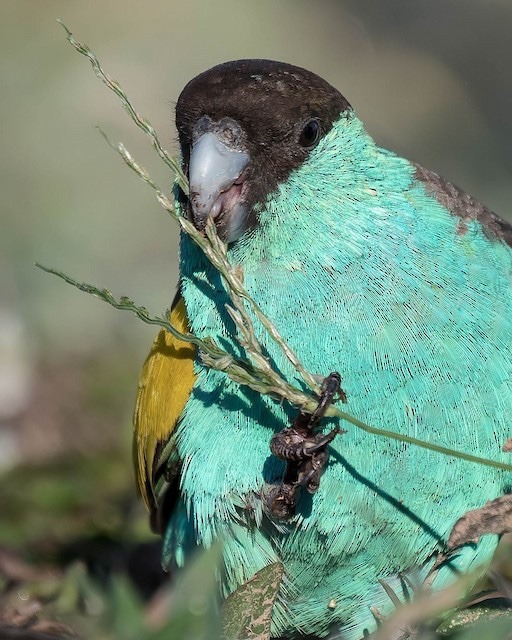
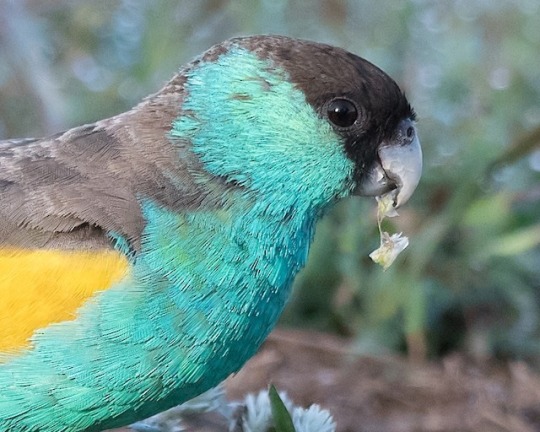
the hooded parrot is a small species of brightly-colored parrot found in australia. hooded parrots mainly forage on the ground for their food, a large portion of which is grass seeds. hooded parrots have unusual nesting behavior – they make their nests in termite mounds.
the rose robin is a small songbird native to australia. named for the male’s pink chest, the rose robin is not related closely to the american robin or european robin, but is actually closer to fairywrens.
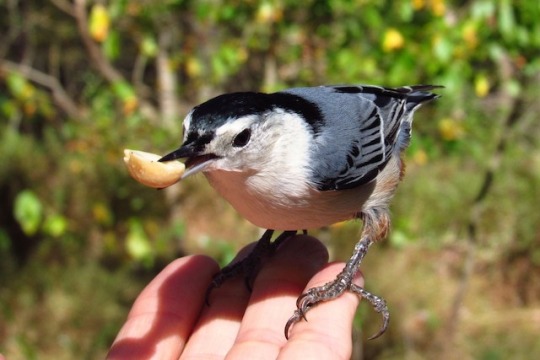
a white-breasted nuthatch accepts food from a person’s hand. white-breasted nuthatches are native to north america. they commonly feed off of insects taken from tree bark, but are also known to be backyard bird feeder visitors.
yellow-throated vireos are a small songbird found in southeastern north america and central america. vireos are rarely seen at backyard birdfeeders unless insects are an offering; insects and berries make up the majority of their diet.
though many of us consider budgerigars just as domestic as a cat or dog, they have retained many of their wild traits – some escaped or released pet budgies have even formed their own feral colonies. in the wild, budgies mainly eat grass seeds, and forage in grasslands. they are highly social, and travel in large flocks, sometimes numbering in the thousands.
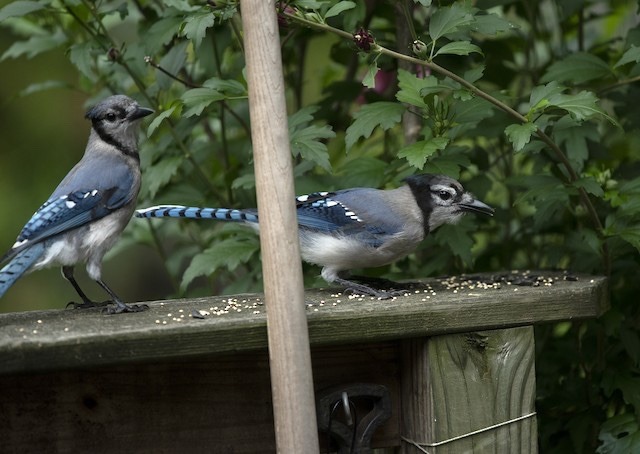
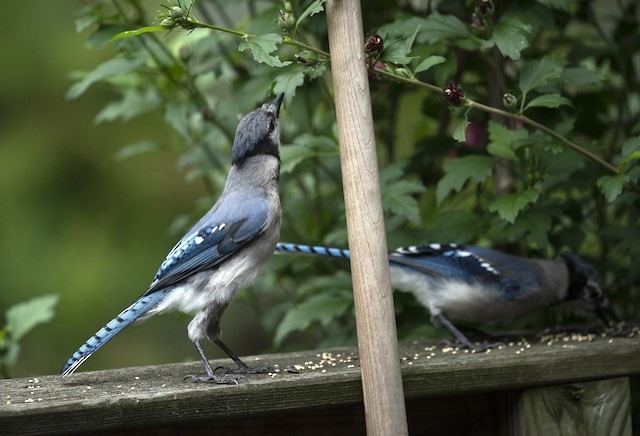
two blue jays investigate a feeding station. native to north america, blue jays are a member of the corvid family, which also includes crows and ravens. the corvid family is known for thee intelligence and recorded tool use in several species.
a member of the cardinal family, the pyrrhuloxia is native to the southwestern u.s and northern mexico. their beak, large for a cardinal, is used to crack hard-shelled seeds, which along with insects and cactus fruit make up their diet.







 today's bird