bird of the day: lesser kestrel

the lesser kestrel is a small falcon native to europe and asia, wintering in africa.

lesser kestrels mainly feed off of insects, and tend to live where grasshopper and locust populations thrive. in the past, pesticides have impacted the kestrels due to their diet. they also feed on small birds, rodents, and reptiles.

lesser kestrels live in cliff faces, hollows, and other preexisting cavities. in suburban environments they frequently nest in dilapidated buildings.

one of the smallest kestrels, the lesser kestrel is frequently mistaken for the common kestrel. this could benefit the lesser kestrel, as it may cause predators to avoid the smaller bird out of association.

despite being affected by some habitat loss and pesticide use, the lesser kestrel is currently rated least concern by the iucn.

(x)

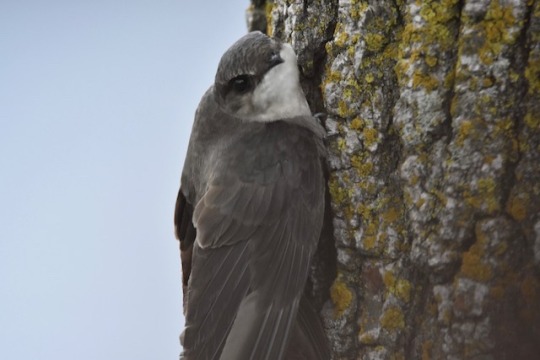
like all members of the swift family, the chimney swift is unable to perch, and must cling to vertical surfaces. this makes chimneys, with long vertical walls & cracks to cling to, perfect to nest in; chimney swifts earned their name for their reputation of raising their young in chimneys. the chimney swift is native to north & south america.

(x)

the american oystercatcher is a large shorebird found in north & south america. oystercatchers’ most common way of feeding is to locate a partially opened mollusk and jab in their beak, severing the muscle that clamps the mollusk shut, then eating the mollusk. as their name implies, they enjoy shellfish such as oysters and mussels, but they will also feed on starfish and other sea creatures.

(x)

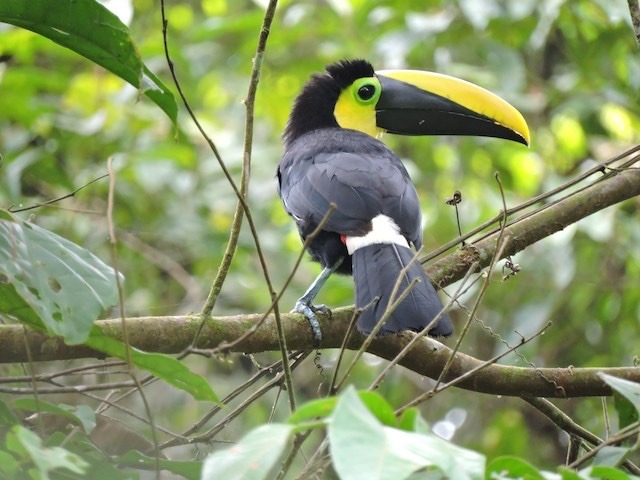
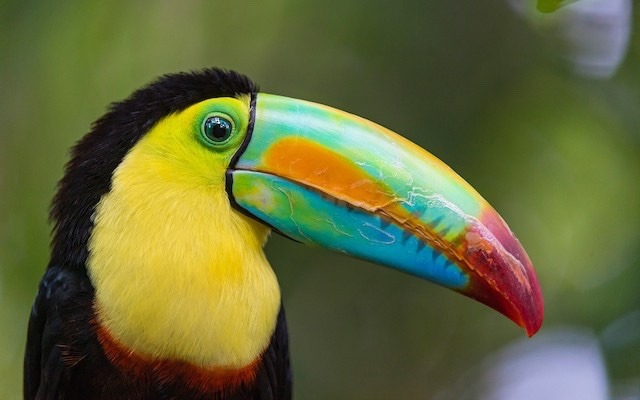
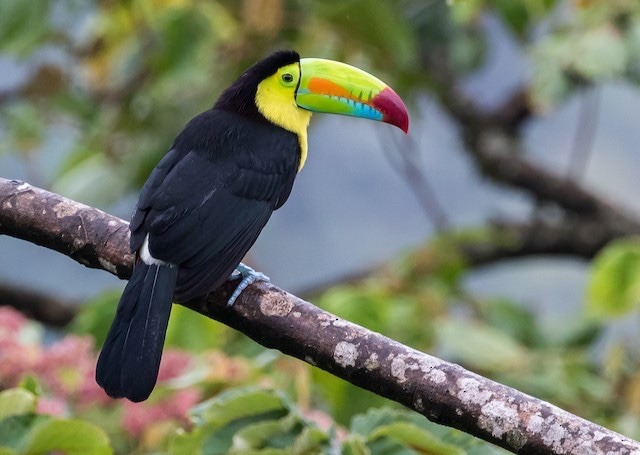
the keel-billed toucan is native to south america, and is one of the largest toucans, with one of the most colorful bills in the family. they are also one of the most well-known toucan species, with many depictions in pop culture. despite their large bills which are threatening in appearance, toucans only occasionally eat meat, and tend to prefer a diet of fruit.

(x)

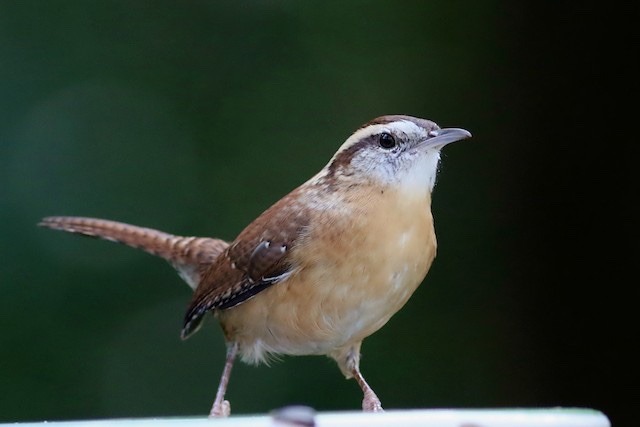
the carolina wren is a small species of songbird found in the eastern half of north america. wrens feed off of insects, small lizards, and seeds. mates typically do not stay together for life, but for several years, during which time they stake out a territory and raise their broods in the summer.

(x)

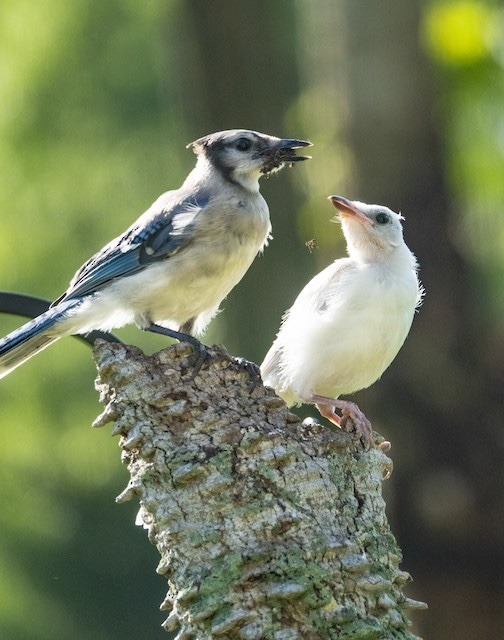
a normally colored blue jay feeds a pure white offspring. it’s likely the young bird has leucism, a reduction in pigmentation. birds with abnormal coloration rarely make it to adulthood – many young birds don’t make it to their first year of life anyway, but added pressure from predators and rejection from other birds can affect birds with plumage differences.

(x)