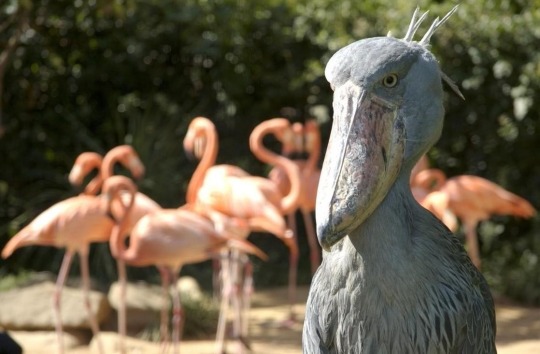
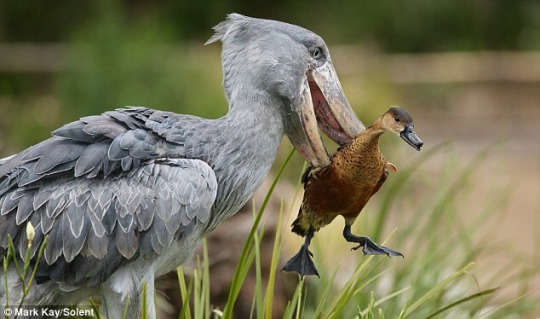
why be a flamingo in a flock of pigeons when you’re presented with the grand opportunity of being a shoebill in a flock of flamingos
why be a flamingo in a flock of pigeons when you’re presented with the grand opportunity of being a shoebill in a flock of flamingos
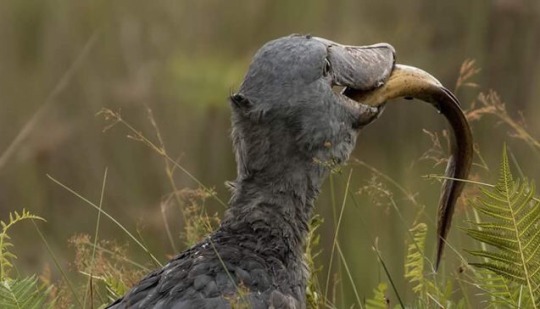
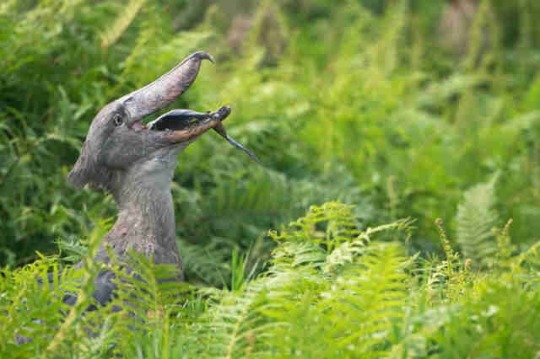
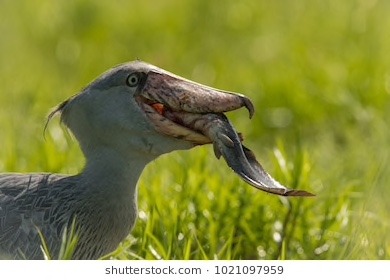
every photo of a shoebill eating is progressively worse than the last


todays bird is: these mourning doves!

todays bird is: this swamphen!

the australian white ibis is one of the largest ibis species, and is native to, you guessed it, australia. traditionally, this ibis is found in wetland habitats, though as of recently it has been known more as an urban bird.
this ibis is frequently found solitary, in pairs, and in small flocks. ibis young are born featherless and helpless, but mature extraordinarily fast – within only a few weeks.

this ibis feeds off of mussels and crayfish, and lives in wetlands, raising its young in trees. unfortunately, as of recently, the australian white ibis has been regarded as a pest. due to a massive drought, much of the ibis population was forced to leave their natural habitat and move inland. another drought a few years later encouraged more of the ibis population to do the same. now ibises are frequently found in urban habitats like cities and parks, scavenging in the streets and in trash cans. their natural musty odor and trash-eating behavior has made them hated by many. however, it’s unfortunate, as with further investigation, it’s clear that the only reason they are in these environments is because their natural environments no longer serve them the way they should.

despite their bad reputation, this ibis has plenty of good things about them. often regarded as ugly and unclean, the ibises’ bald head actually evolved to keep them clean in the first place. ibises are known to be intelligent problem solvers – they have to be to survive so close to people. before they entered urban habitats, ibises were regarded as graceful and elegant.
the australian white ibis is listed as least threatened by the iucn, but faces potential threats both in habitat loss and culls by city councils. luckily, due to their numbers, we won’t lose this ibis anytime soon. we can hope that someday they return to the wetlands they belong in.

todays bird is: this seagull! (thank you to an anonymous submitter)
to celebrate, let’s look at some underappreciated vultures!
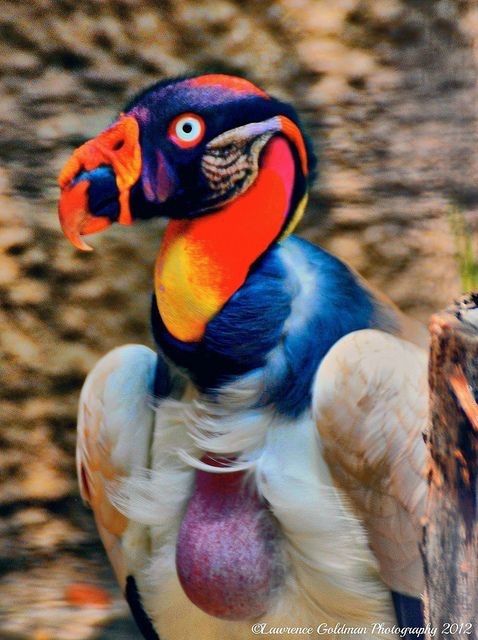
the king vulture, the most colorful of the vultures:

the bearded vulture…utterly huge, with a diet that consists of mostly bones:


even if you don’t like vultures, you can’t deny the lesser yellow-headed vulture is adorable…

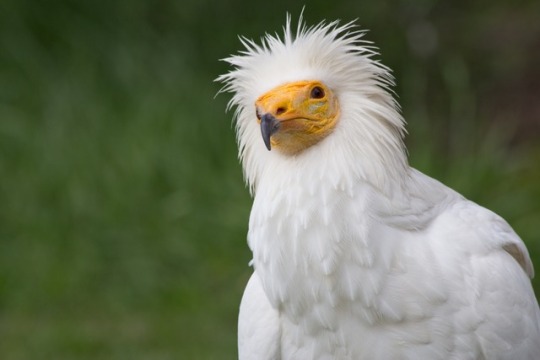
and the egyptian vulture…just as beautiful…


the lava gull is a medium-sized gull and member of the “hooded gull” group – and also the rarest gull in the world. with an estimated population size of less than 1000 individuals, the lava gull is listed as “vulnerable” by the iucn. they are endemic only to the Galápagos Islands.
like many gulls, lava gulls have a varied diet. they are known to both catch fish and scavenge dead fish, and have also been observed eating small squid. they will also catch and eat lizards, turtles and other small animals, along with other birds’ eggs. they are even known to eat sea lion placenta.

the lava gull is unusual in that, unlike most gulls, it does not nest near other gulls – they build shallow but secluded nests and are extremely territorial. the gulls lay only two olive-green eggs, which are incubated for approximately 30 days. while this is a small clutch size, lava gulls are opportunistic breeders and don’t stick to a breeding ‘season’, and may produce multiple broods in a year. young birds fledge at 55 days, but the parents continue to care for them for several weeks.

unfortunately, the lava gull is threatened by several factors. the gulls are sometimes caught on fish hooks or entangled in netting. they’re also preyed upon by feral cats, rats, and dogs. however, their population has stayed stable despite these threats. let’s hope these beautiful gulls are around for many more years!

image sources: (x)
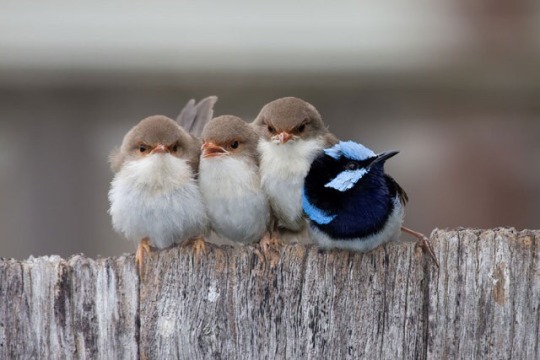
i often see this picture spread around with it captioned to imply the blue bird is photobombing or otherwise not supposed to be there. these birds are actually all the same species! this is the superb fairywren. the brown birds are either females or juveniles, and the bright blue bird is a male. most likely, nobody really wanted or needed to know that, but it made me happy when i found out it was actually one big family photo!
 today's bird