
todays bird is: this american kestrel!
todays bird is: this american kestrel!
a lot of people believe that they have to travel to parrots’ native ranges to see them in wild flocks, but there are lots of feral colonies of parrots established across the u.s.! these flocks are descended from released or escaped pet birds, so yes, they may be slightly different from native flocks in their own range, but it’s still a unique experience to see them outside of captivity.


this northern cardinal was spotted in virginia, and has a condition called leucism. leucism is a reduction of pigments, leading to drastically different appearances from ‘normal’ specimens.
source: (x)


this house sparrow is unusually dark because it is melanistic. animals that have a genetic mutation called melanism overproduce dark pigments, leading to unusual appearances like that of this bird.
source: (x)
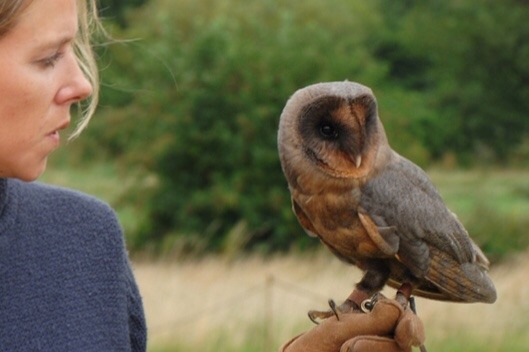
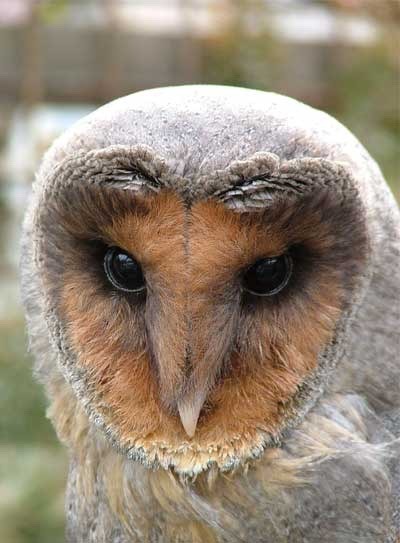
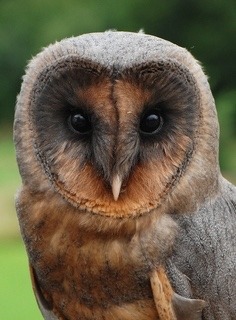
this is ashley the barn owl. ashley is melanistic, which means his body produces too much black pigment – the opposite of albinism.
source: (x)
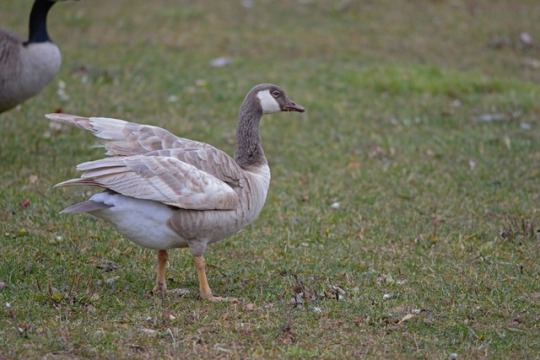
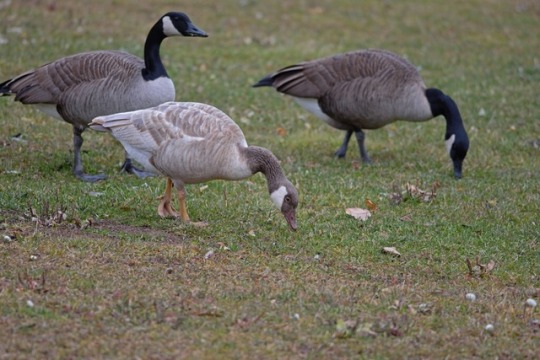
this leucistic canada goose was spotted in ontario, canada. leucistic animals are not fully albino, but still lack pigment and appear lighter than normal.
source: (x)
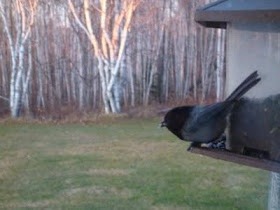
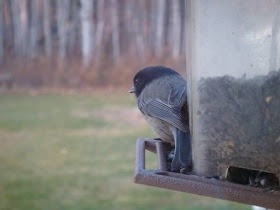
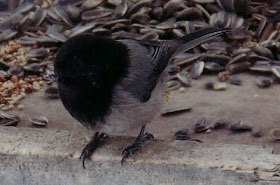
this melanistic black-capped chickadee was seen at a feeder in maine. melanism is the opposite of albinism – too much pigmentation is produced rather than too little.
source: (x)

the bufflehead is a small sea duck and member of the goldeneye family that is native to north america.
buffleheads are well known for their small size and head which appears to be too large for its body. buffleheads nest in tree cavities left behind by northern flickers, and it’s been suggested their small size evolved just for this purpose.
buffleheads are sexually dimorphic and easy to tell apart. like many female ducks, the female bufflehead is primarily brown. in contrast, the male has a bright, partially iridescent head, and is mostly white and black.


buffleheads feed off of insects, crustaceans, and small fish. they have also been found to feed off of plants and fish eggs.
buffleheads live in small flocks. one member of the flock is selected as a lookout to keep other flock members safe while feeding.
unfortunately, the bufflehead has suffered recently from habitat loss. they are still rated least concern by the iucn, as their numbers have stayed relatively high. hopefully steps are taken to protect the bufflehead’s habitat, and their populations stay healthy and stable.

image sources: (x)

todays bird is: this yellow-breasted chat at a banding station!
at first glance shoebills are super threatening and ominous but if you look through enough photos they…also emit this kindly grandfather energy?


 today's bird