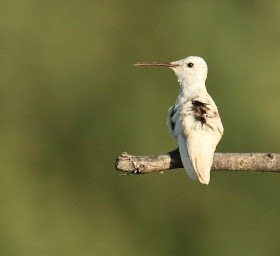


this unusually colored female black-chinned hummingbird has a genetic mutation called leucism. leucistic animals do not produce enough pigmentation, making them either paler overall or in certain spots, giving them a ‘pied’ look.
source: (x)
this unusually colored female black-chinned hummingbird has a genetic mutation called leucism. leucistic animals do not produce enough pigmentation, making them either paler overall or in certain spots, giving them a ‘pied’ look.
source: (x)
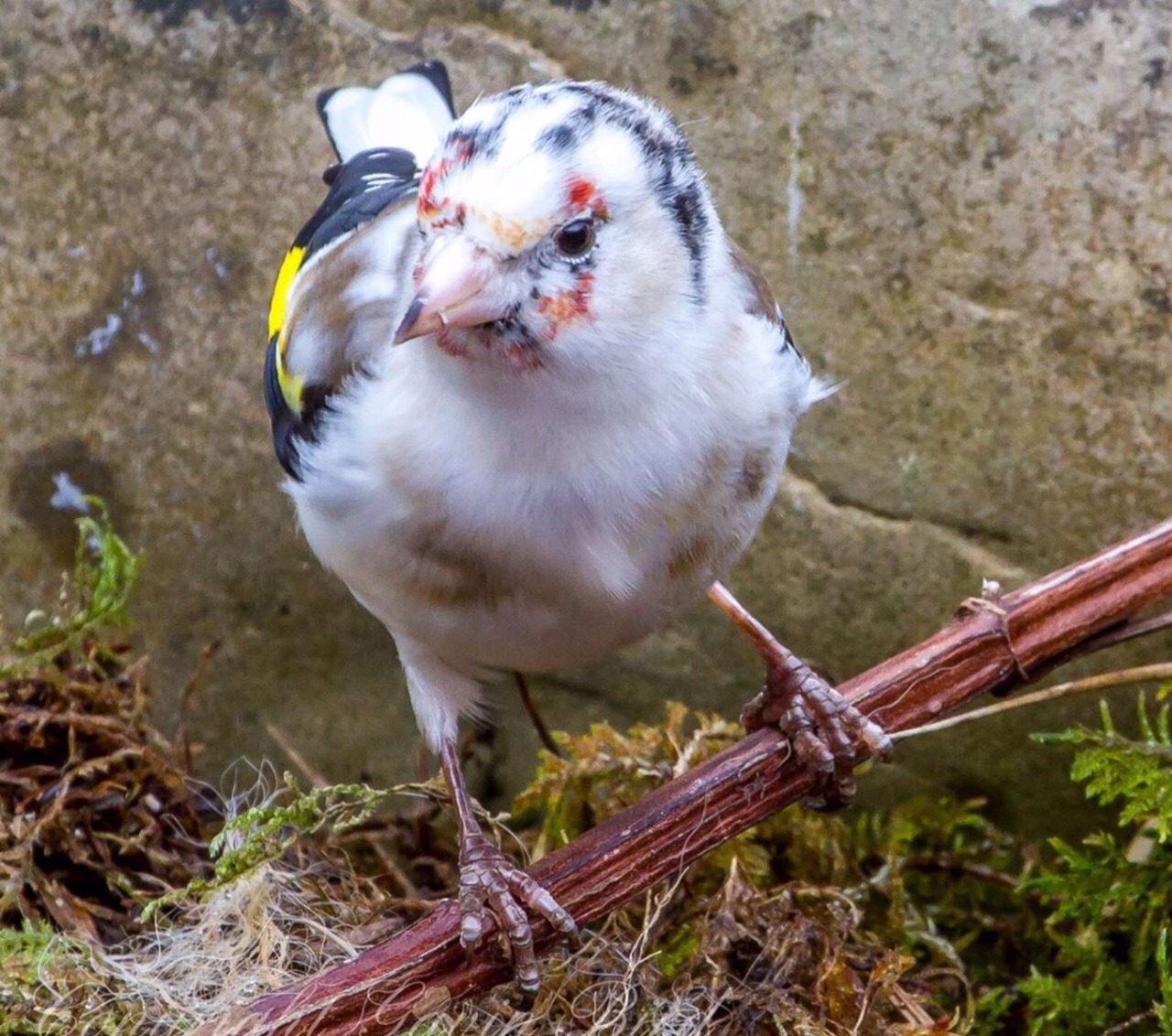
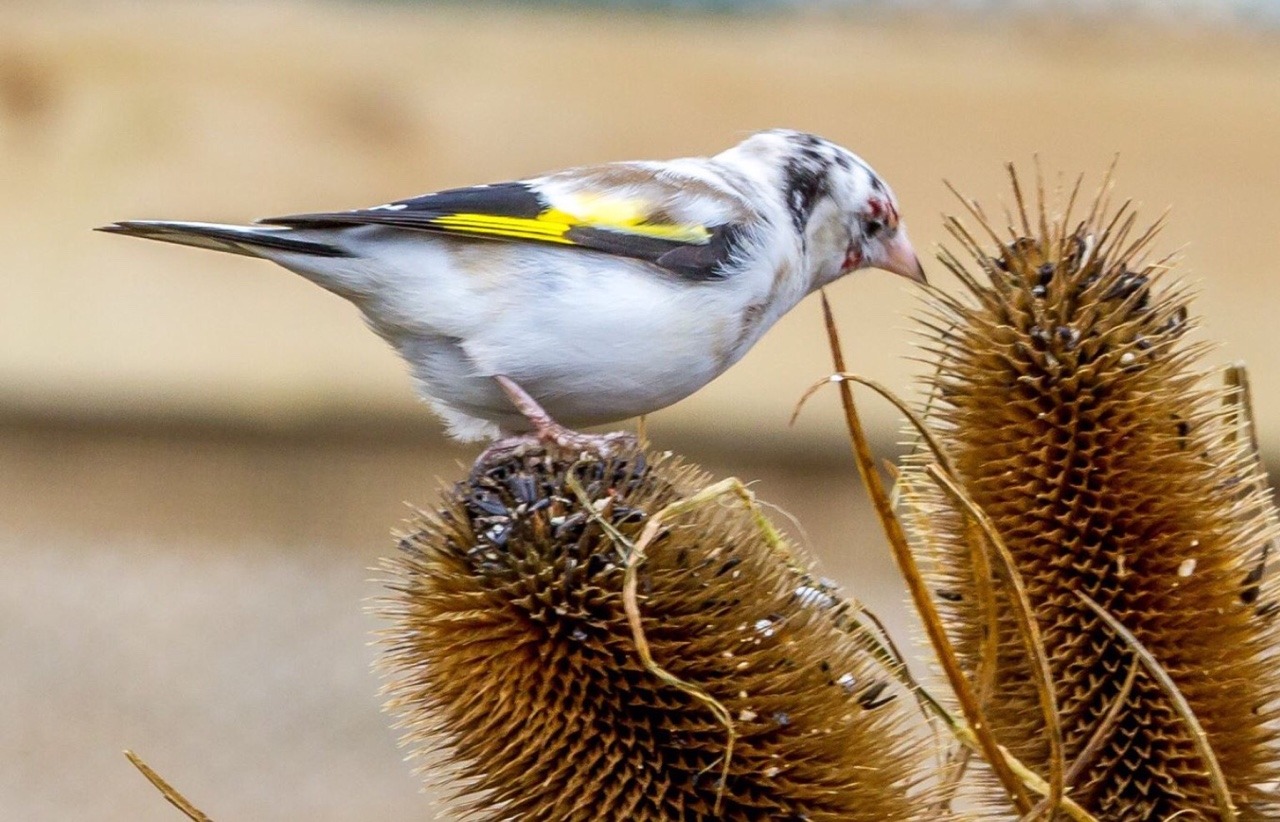
this unusually colored bird is a european goldfinch with partial leucism. leucistic animals do not produce enough pigmentation, leading to an entirely pale animal or a ‘piebald’ animal like this goldfinch.
source: (x)


this white steller’s jay was seen in boulder county, colorado. the bird is not albino – it was seen gradually gaining more and more white feathers over time. suggested causes are illness, trauma or a mutation.
source: (x)

todays bird is: this blue-faced honeyeater!

this stunning bird is a red-tailed hawk with a genetic mutation called leucism that causes a reduction in pigments.
source: (x)
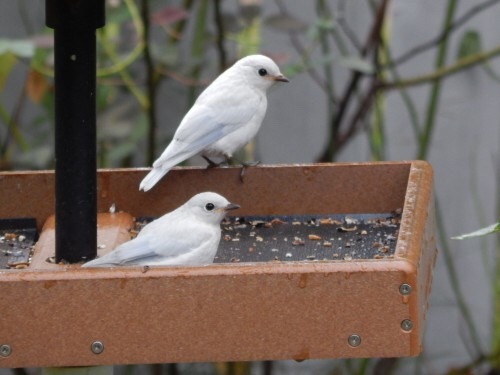
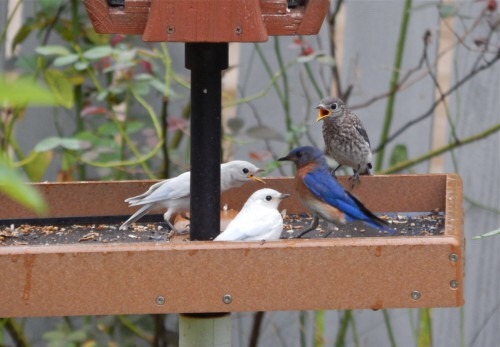
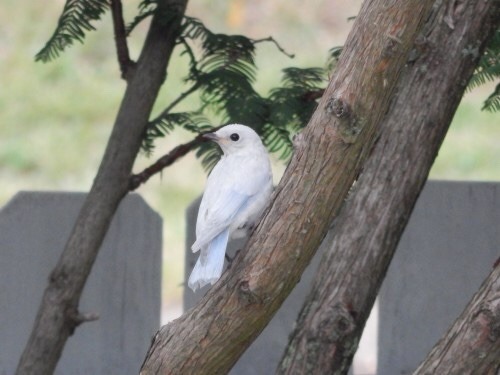
these unusually pale eastern bluebird siblings have leucism, a genetic mutation that causes a reduced production of pigmentation.
source: (x)
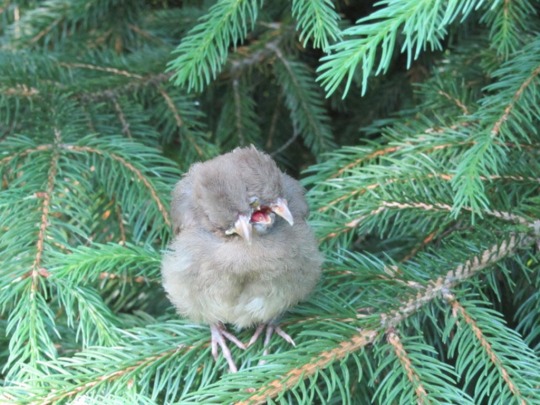
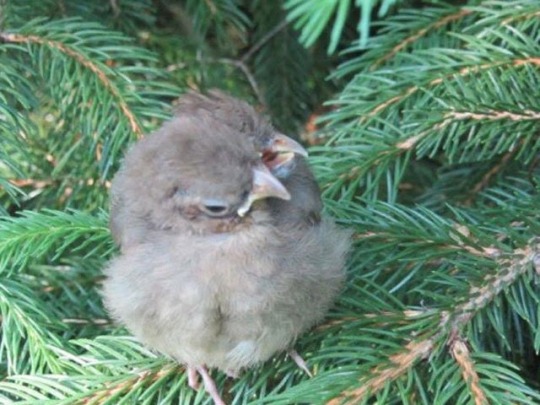
this little northern cardinal was discovered in massachusetts with two heads and three beaks.
source: (x)
blue jays are beautiful but other jays are too and they’re very underrated:

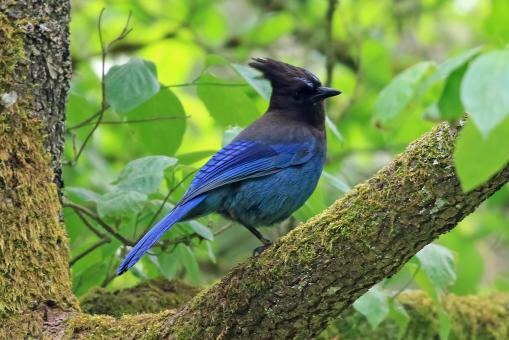


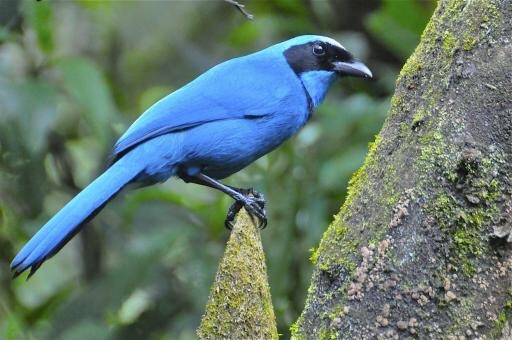
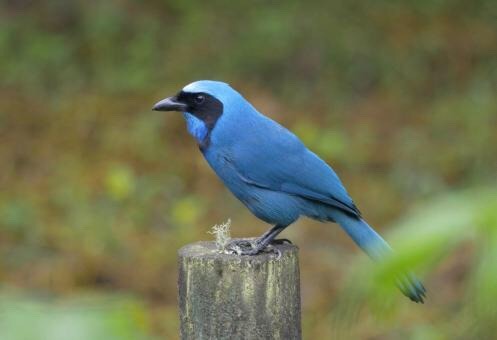
the turquoise jay is a brightly colored member of the corvidae family, related to other jays, crows, and ravens.
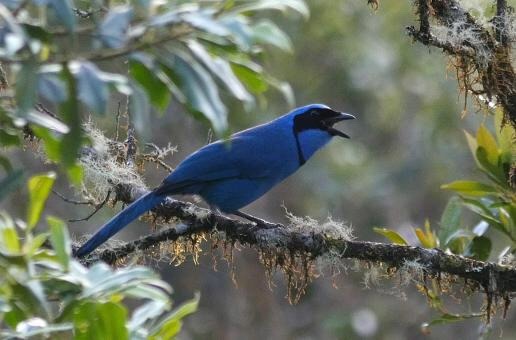
little research has been done on the turquoise jay, even though they are fairly common. they are native to parts of south america, and are nonmigratory. they live in small flocks, sometimes mixing with other bird species.
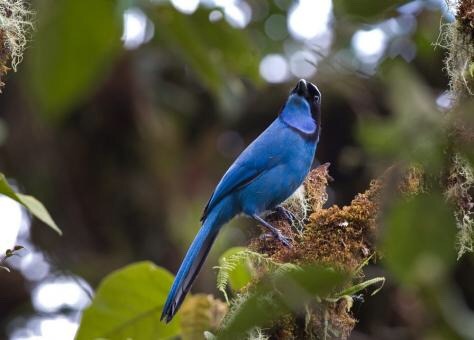
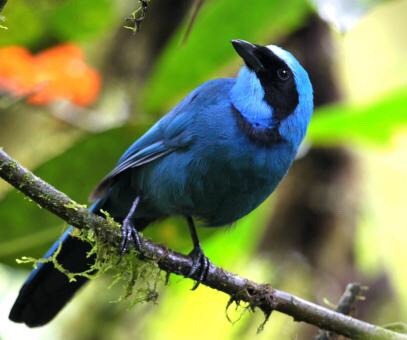
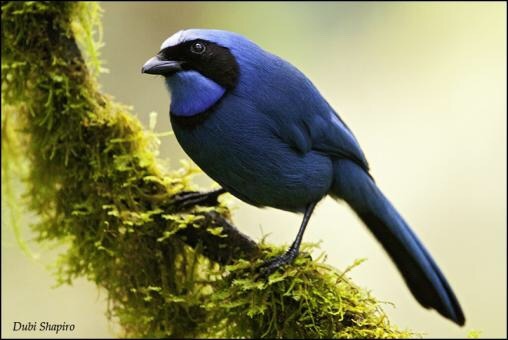
the turquoise jay is rated least concern by the iucn. while not much research has been done on them, their population numbers seem to be high and they are coping with threats like habitat loss well.


this unusually golden house sparrow is its strange color due to a genetic mutation called leucism. leucistic animals lack correct pigmentation, and can be varying shades paler than non-leucistic animals. leucistic birds have weaker feathers, and tend to be easy targets for predators, meaning that their rarity is increased since many of them don’t make it to adulthood.
source: (x)
 today's bird