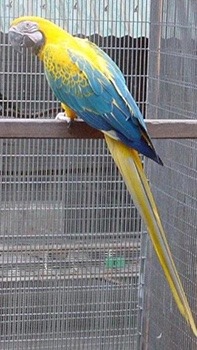
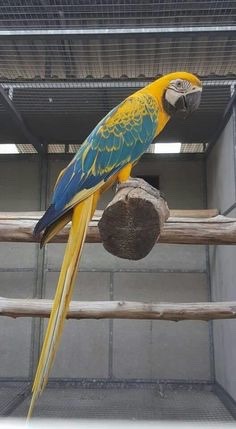
bird of the day: himalayan monal
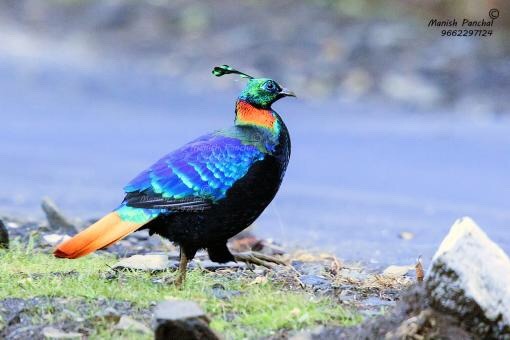
the himalayan monal is a colorful species of pheasant native throughout southern asia. they are the national bird of nepal.

like most other pheasants, the himalayan monal is sexually dimorphic. along with the male being larger than the female, they have a very different coloration. males have a black underside with varying shades of purple, blue, green, and orange on their upper half, while females are mainly brown.

this bird feeds mainly off of berries, plant matter, and insects, which it forages for on the ground.

this bird mainly lives in pairs, though in the winter, they form communities to feed and roost together.

while the himalayan monal is currently rated ‘least concern’ by the iucn, there are some threats to their population. the biggest one is hunting. the male’s crest is believed to bring status to its wearer, and is used as a symbol of authority, which has led to poaching of the pheasant.

image sources: (x)

bird of the day: varied bunting

the varied bunting is a small member of the cardinal family native to new mexico, arizona, texas, and mexico.

varied buntings are well known for their vibrant purple and red plumage. only male buntings are this colorful; females are easy to tell apart from males, as like many other bunting females, they are a plain brown.

these buntings eat mainly fruit, insects, and seed, and generally forage on the ground for their food. they occasionally can be tempted to birdfeeders with birdseed or fruit.

varied buntings create ‘open-cup’ nests out of grass and spiderwebs, usually hidden within thorny shrubs to protect the young. the female typically lays two to five eggs, which are incubated for fourteen days. the young fledge at only ten days old. varied buntings usually choose dry habitats, and will seek out nesting spots near water sources.

the varied bunting is currently rated ‘least concern’ by the iucn, though unfortunately, its population is declining.

image source: (x)

bird of the day: the pink-necked green pigeon

the pink-necked green pigeon is a large, colorful pigeon native to cambodia, malaysia, indonesia, myanmar, singapore, the philippines, thailand, and vietnam.

this pigeon is well known for its many colors and vibrant appearance. they are sexually dimorphic; the female is a flat green. while those who are used to them may consider this boring, they are still dazzling to many.

the pink-necked green pigeon lives in small to medium sized flocks and forages for berries, fruit, seeds, and insects.

this pigeon is thankfully rated least concern by the iucn and is very common throughout its range, though many who are unfamiliar with it are surprised such a colorful bird is so closely related to the feral rock doves found in american cities.

image sources: (x), (x)

bird of the day: the tooth-billed pigeon

the tooth-billed pigeon is a medium-sized pigeon that lives only on the island of samoa.

this pigeon is one of the closest living relatives of the dodo. they share some of the same physical features, including the distinct hooked beak. they are sometimes known as the “little dodo” for this reason.

unfortunately, there are very few of the tooth-billed pigeon left in the world. it is estimated less than 250 remain. there are no birds at all in captivity. for this reason, they are listed as critically endangered by the iucn. habitat loss and hunting are two of the main contributing factors to their decline.

image sources: (x)

bird of the day: james’s flamingo

james’s flamingo is a small flamingo species native to peru, chile, bolivia and argentina.

this flamingo is distinguishable from others by their overall light pink plumage with bright reddish-pink streaks on the neck and back. the only black feathers on the bird’s body are on the wings. they also have the shortest bill of any flamingo. like others in the family, it is used for filter feeding of algae.

james’s flamingo participates in elaborate mating rituals – sometimes the entire flock at one time. the males vocalize and stick their necks up in the air, turning their heads back and forth. the females initiate mating by walking away from the group, and then the male follows.

unfortunately, james’s flamingo is rated near threatened by the iucn, mainly due to human habitat destruction. at one point, this flamingo was believed to be extinct, until they were rediscovered in 1956. populations have been on the rise in recent years, and hopefully in the near future we will have more and more of these gorgeous birds.

source: (x)