the yellow tit is a small member of the tit family native to central taiwan. they are also known as the taiwan yellow tit or formosan yellow tit.
this little bird is closely related to more well known species like the eurasian blue tit. there are several similar species, but in general the yellow tit’s bright coloring and crest make them somewhat distinct.
this bird mainly feeds off of insects, with caterpillars being a primary food source for the young.
unfortunately, the numbers of this bird have started to decline. recently, they have been trapped to be sold as pets. they are now listed as ‘near threatened’ by the iucn.
this unusual bird is the result of natural hybridization between a blue jay and a steller’s jay. while uncommon, they aren’t unheard of, and it’s likely some go unnoticed, as they can pass for a regular jay with slightly off coloration.
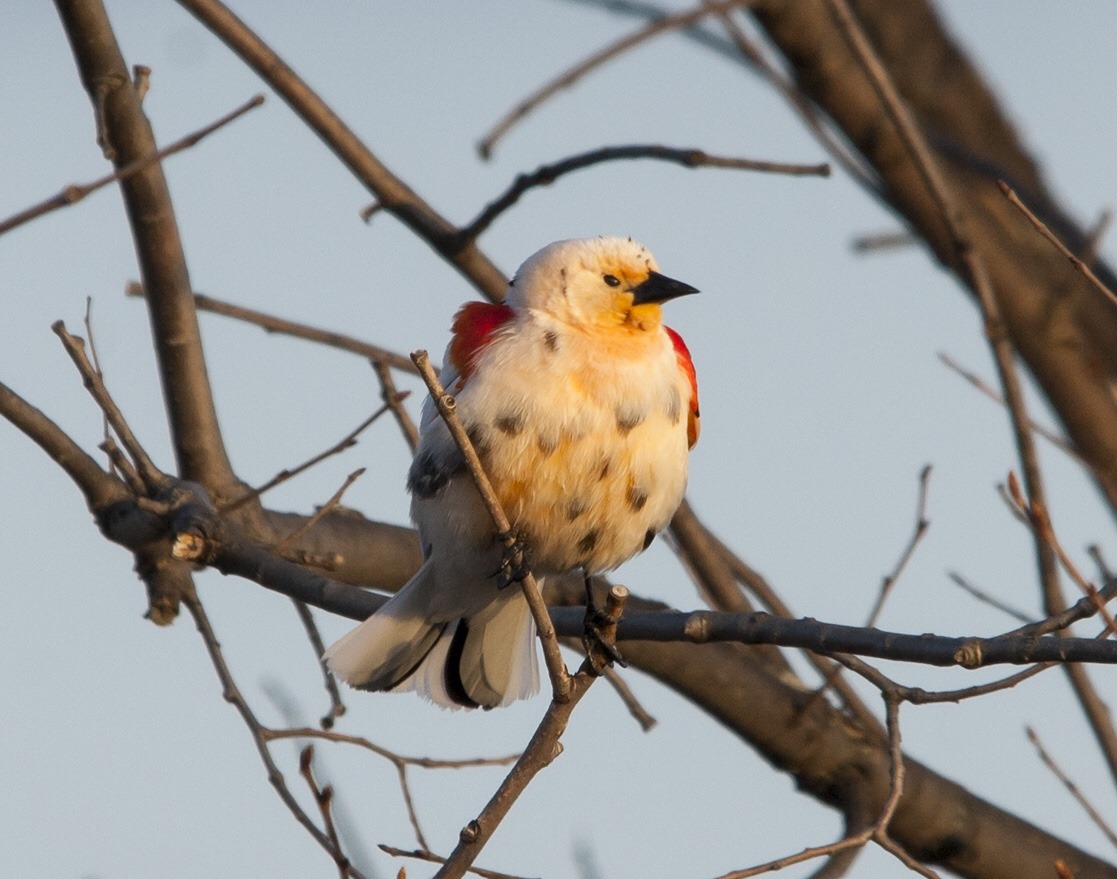
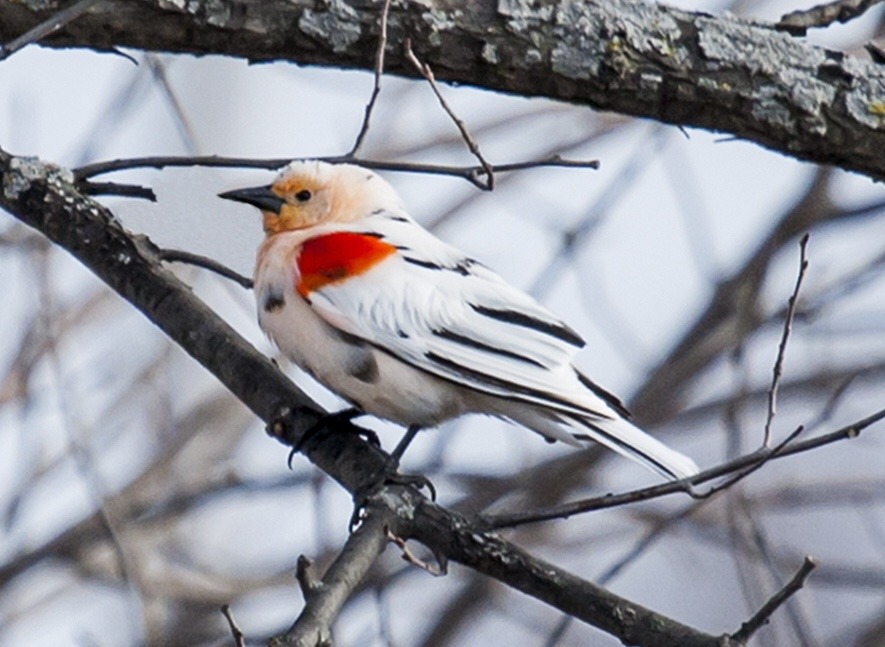
this red-winged blackbird was spotted in green bay, wisconsin. the bird’s pied appearance comes from leucism, a lack of pigmentation. leucism can affect only some parts of the body, like in this bird, or the entirety of the bird’s plumage.
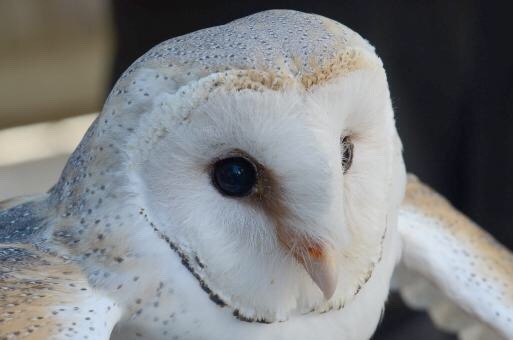
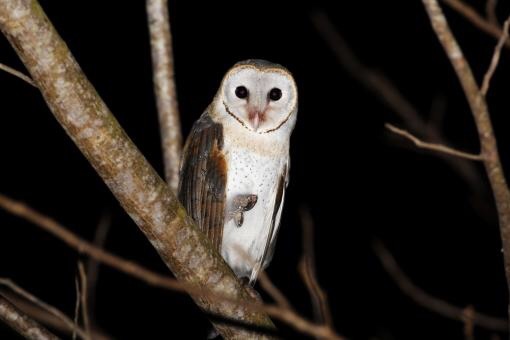
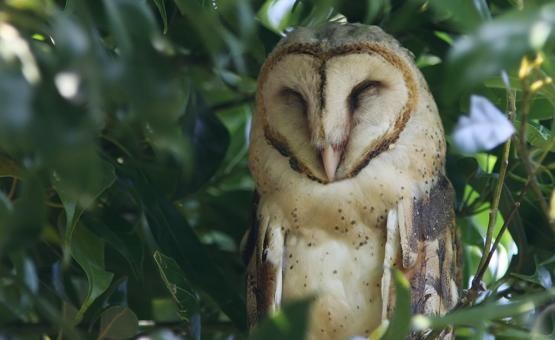
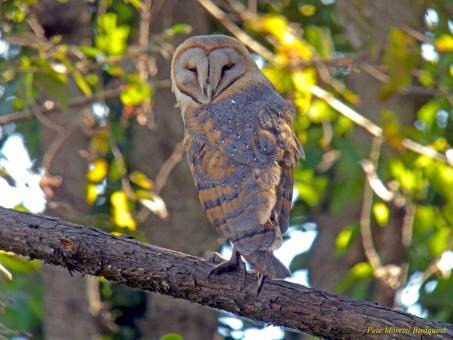
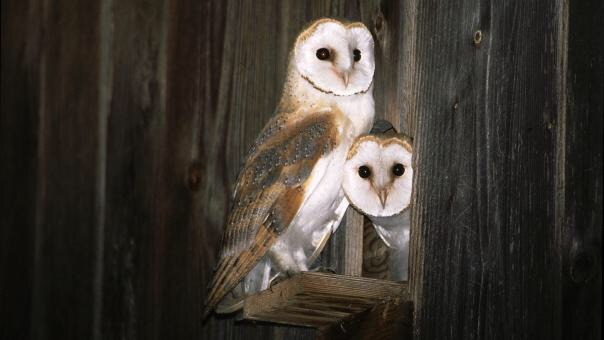
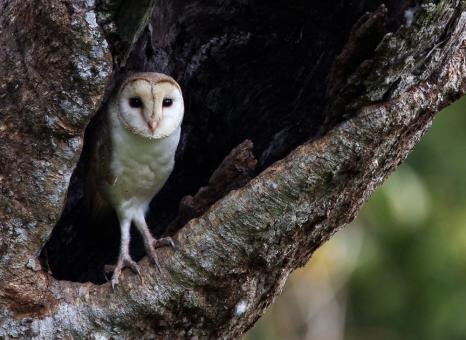
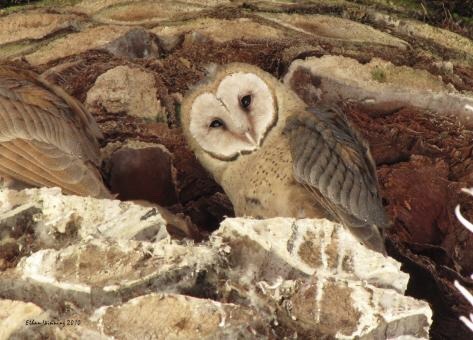
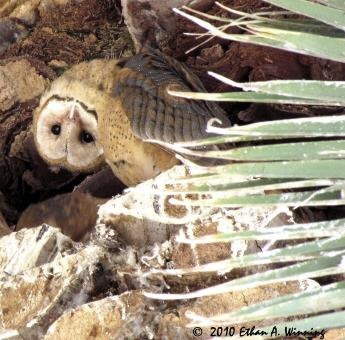
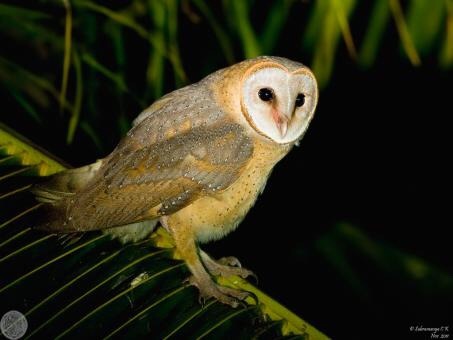
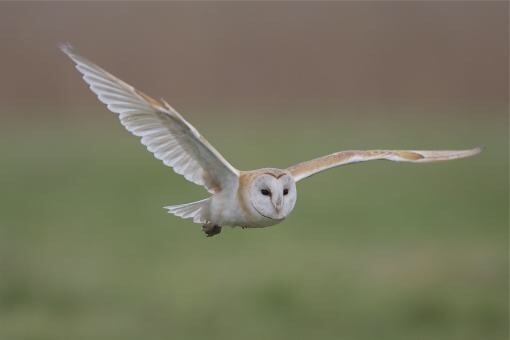
the barn owl (tyto alba) is the most widespread owl in the world, found on part of every continent besides antartica.
the barn owl, like most owls, is mainly nocturnal. they prey on rodents, birds, reptiles, amphibians, and insects, though rodents by far make up the largest percentage of their diet overall. small prey is usually ripped into chunks and swallowed, and inedible bits are regurgitated in the form of a pellet. larger prey is usually eaten more carefully, with inedible pieces discarded. a common misconception is that barn owls prey often on domestic pets, but attacks on cats and small dogs are fairly rare.
over the barn owl’s vast range, various subspecies and color differences are noted.
barn owls nest in cavities in trees, old buildings, and indents in cliff faces. they will also nest in man-made nest boxes. as they are an effective form of natural pest control, some farmers encourage them to nest near their fields with nest boxes.
barn owls are currently rated least concern by the iucn, as they are widespread and have healthy population numbers. in areas where they are scarce, landowners can put up nest boxes to encourage breeding.
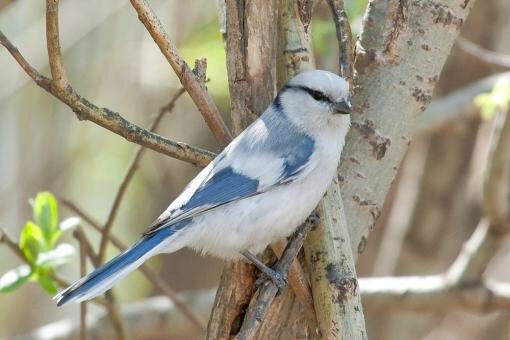
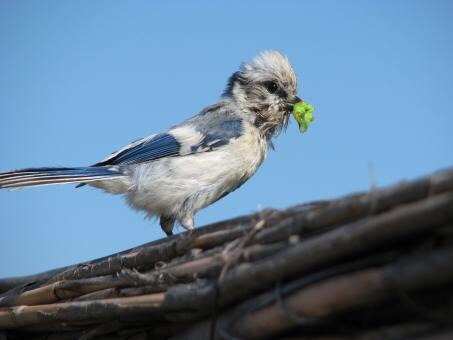
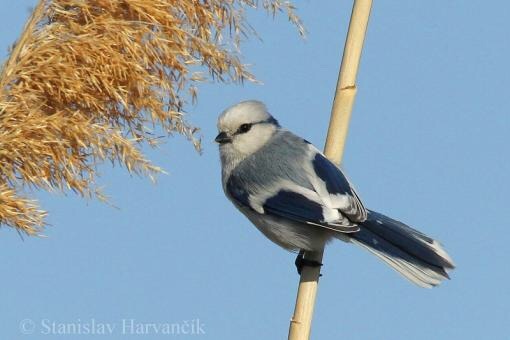
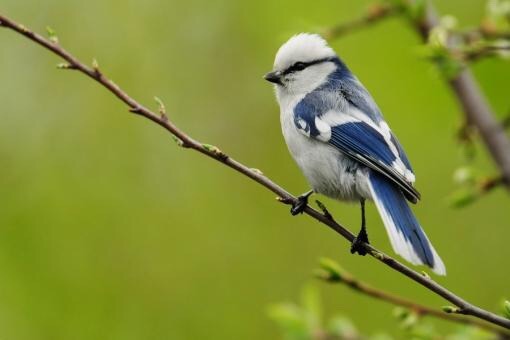
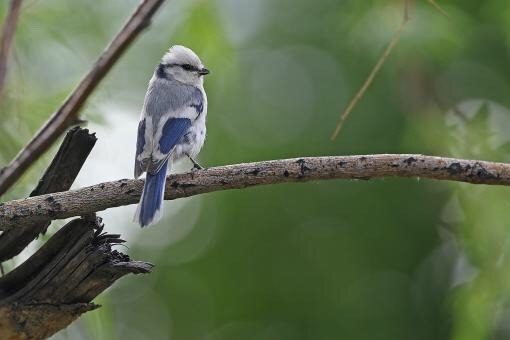
the azure tit is a small passerine bird native to russia and parts of central asia.
the azure tit is mostly insectivorous, showing a preference for moths and caterpillars. they also eat seeds and berries.
males and females have similar plumage. this bird is monogamous, and while they form flocks, they will be devoted to their mate.
the azure tit lives in mixed scrubland, woodland, and marshes. they generally do not migrate.
the azure tit is known to hybridize with similar species throughout its range. one of these hybrids, between the azure tit and eurasian blue tit, was so common it was thought to be its own species.
the azure tit is currently rated least concern by the iucn, as despite some habitat loss, their population numbers are high.
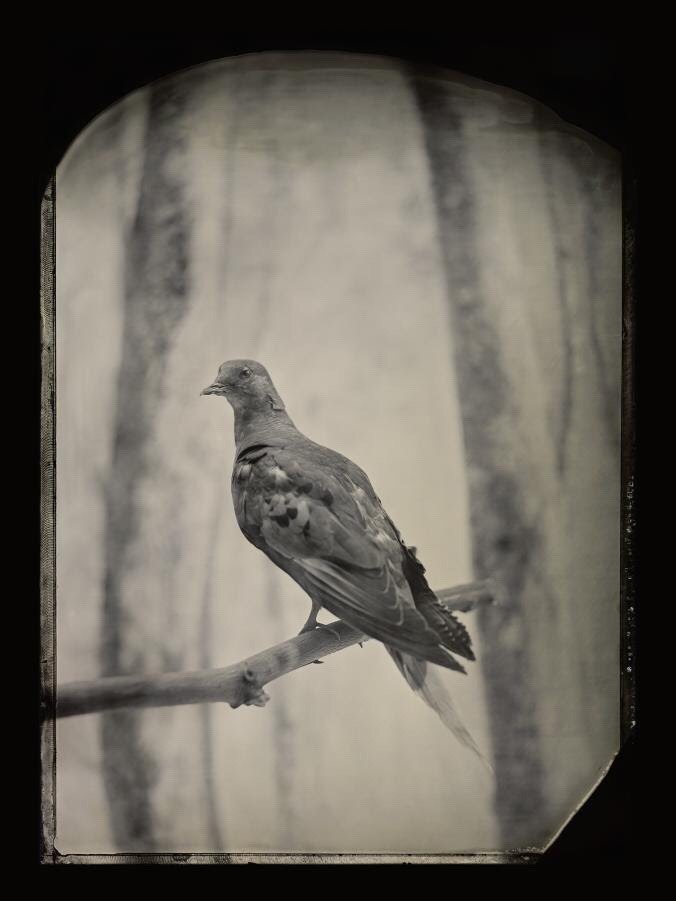
this is martha, the last passenger pigeon. passenger pigeons were once incredibly numerous, living in flocks so large they could cover the view of the sky. over-hunting and habitat loss gradually made the pigeon’s population decline, until there were only captive birds left. martha was the last known living passenger pigeon, and her death in the cincinnati zoo on september 1st, 1914 marked the official extinction of the species.
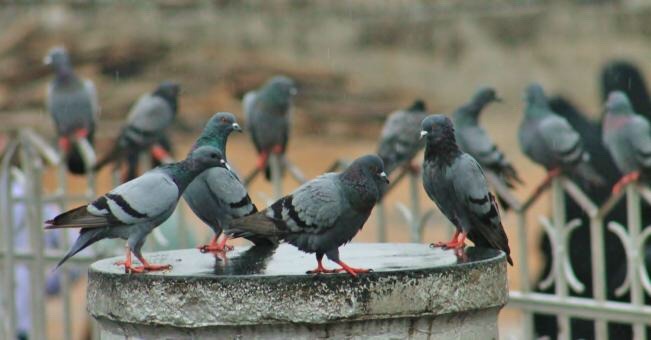
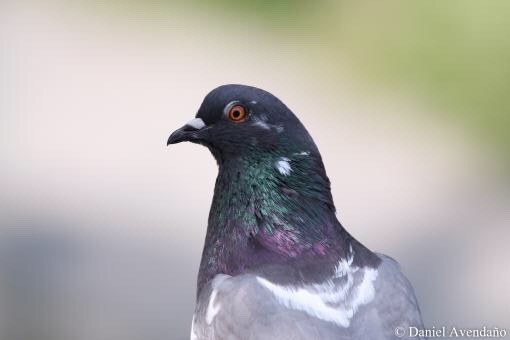
the rock dove, most commonly known as the pigeon, is a member of the pigeon & dove family native to europe, north africa, and western asia. however, large feral populations are found throughout the world.
rock doves are frequently viewed as annoyances that are dirty and loud. however, their introduction to urban environments can’t be blamed on them – it was entirely humans’ fault. feral colonies of pigeons have been introduced for hunting, racing and homing pigeons have gotten lost, and domesticated birds have escaped or been set free. these birds have formed the feral colonies we see today.
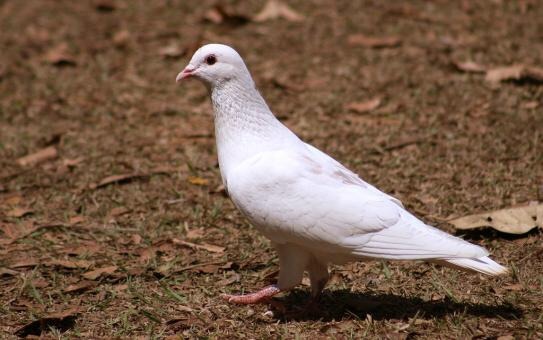
rock doves are naturally only found in grey. however, domesticated pigeons come in many different colors, shapes, sizes, and feather variations. these birds were introduced to feral populations and bred, leaving us with the many-colored feral pigeon flocks we have today.
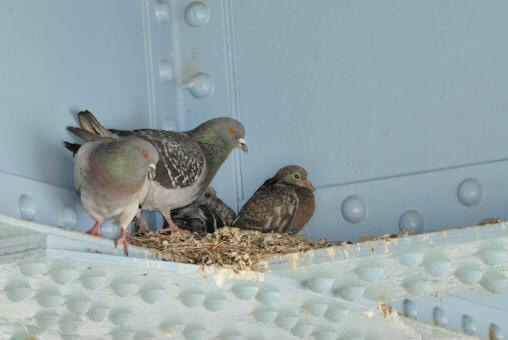
rock doves typically construct nests in cliff faces, though feral birds usually prefer window ledges on buildings. two eggs are laid, and the squabs (baby pigeons) hatch almost naked and helpless. however, they mature fast, and leave the nest within 30 days.
while pigeons are stereotyped as stupid, they are actually quite intelligent. a study done on pigeons found they can understand concepts of space and time in a way similar to humans. pigeons also were used to deliver messages back and forth in wartime – some pigeons even received awards from governments.
this is only a brief summary of some of the amazing things about rock doves. as common as they may be, rock doves are beautiful and interesting birds that deserve our attention.
the great hornbill is one of the largest members of the hornbill family, and is native to parts of southeastern asia.
great hornbills are black, white, and yellow. the feathers on their wings are not naturally yellow; they are stained yellow by oil from the bird’s preen gland. females and males are differentiated by a few different methods. males are larger than females, and have a red iris, while females have a whitish-blue iris.
great hornbills feed off of fruit, berries, insects, and small mammals, reptiles, and birds. they eat by tossing their food up in the air, then catching it and swallowing it.
great hornbills are monogamous and form strong pair bonds. this has made captive breeding next to impossible for the species. in the wild, hornbills May form a small flock, but still show more attention towards their partner than other birds.
the great hornbill is listed as ‘near threatened’ by the iucn. their population is mainly affected by habitat loss.
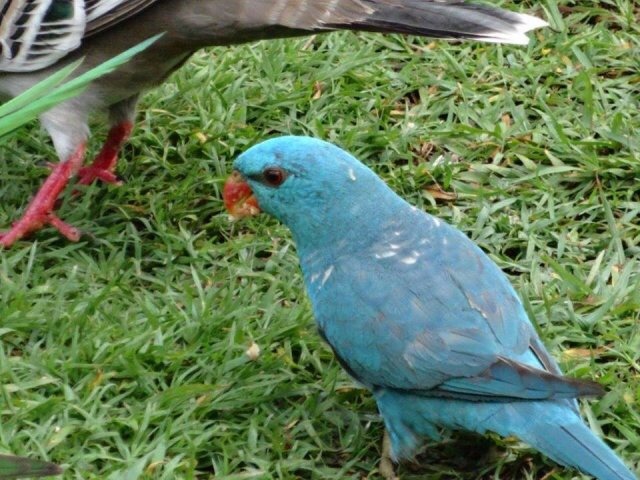
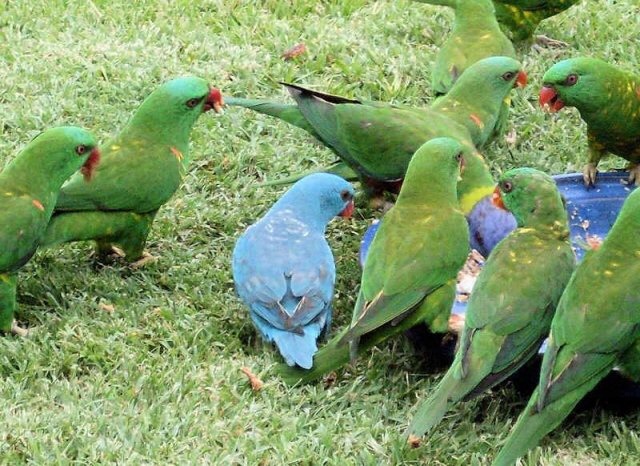
this unusual scaly-breasted lorikeet with a blue color mutation was spotted in queensland, australia. these color mutations are rare even in captivity, and the lack of selective breeding along with possibly being ostracized by flockmates + singled out by predators makes them even rarer in the wild.
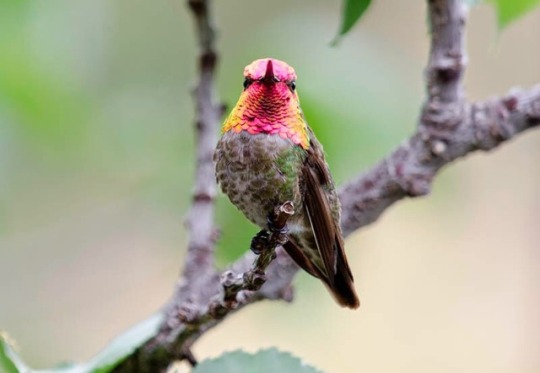
this beautiful bird is the result of a natural hybridization between an allen’s hummingbird and anna’s hummingbird. these hybrids were so common they were at one point mistaken for a species of their own.







 today's bird