bird of the day: golden-breasted starling

the golden-breasted starling is a medium-sized member of the starling family, native to east africa.

the golden-breasted starling is well known for its unusual plumage. this bird has a bright yellow breast and underside, with a metallic purple back and wings and shiny green head. the sexes are identical, but juveniles have a duller coloration.

the golden-breasted starling is mainly insectivorous, but occasionally feeds on fruit. they have been observed both catching insects out of the air and digging in termite nests.

golden-breasted starlings live in small flocks consisting of 3-12 individuals. they display somewhat unusual nesting behavior – all members of the family unit assist with raising the young, doing tasks such as gathering nesting material and feeding the chicks.

golden-breasted starlings are widespread throughout their range and are currently rated ‘least concern’ by the iucn.

image sources: (x)

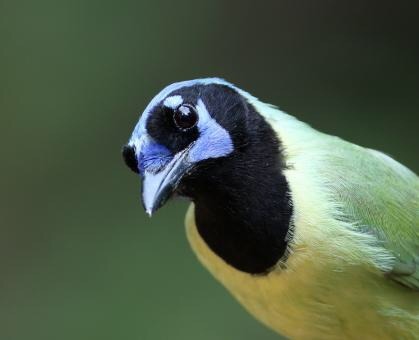
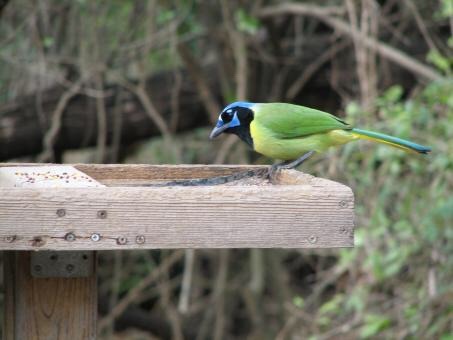
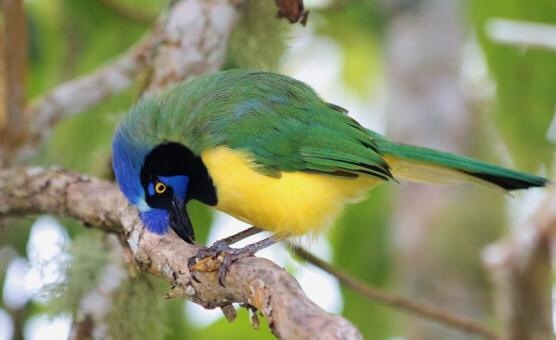
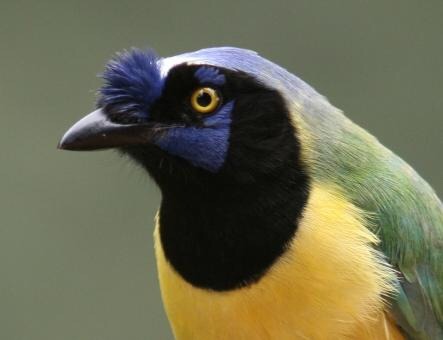
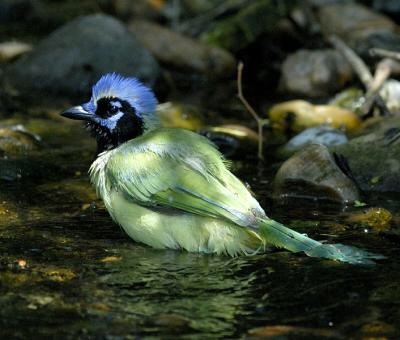
bird of the day: green jay

the green jay is a medium-sized corvid native throughout central america – they are found from southern texas to the honduras.

the green jay has a varied diet. they eat insects, seeds, fruits and berries, and on occasion very small mammals. they have been observed using sticks as tools to get their food.

males and females in this species have the same external appearance. however, the amount of blue on the bird’s head can vary slightly according to its location.

the green jay is currently rated as least concern by the iucn, as despite development in its territory it is thriving.

source: (x)

one of the most well-known attributes of eclectus parrots is their sexual dimorphism (difference in plumage between males and females). females have showy red plumage, and males are bright green. scientists mistakenly thought the males and females were two different species for a long time due to their extremely different plumage – captive breeding programs were unsuccessful, as all birds were paired with another bird of the same gender.

source: (x)

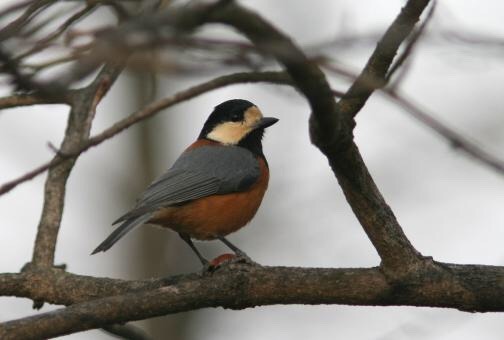
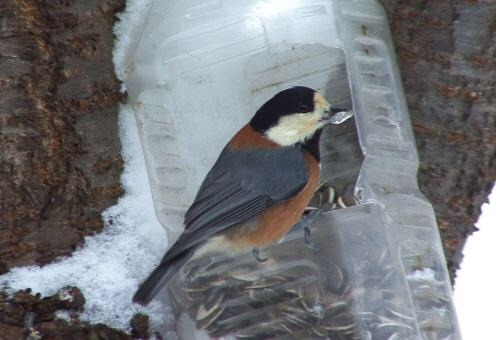
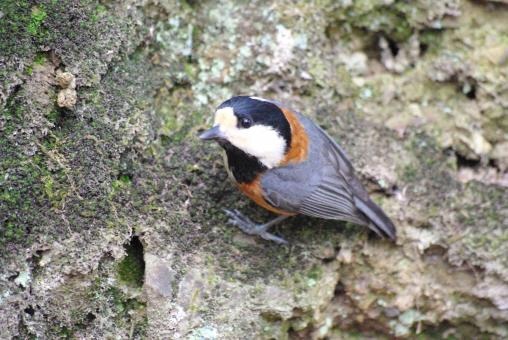
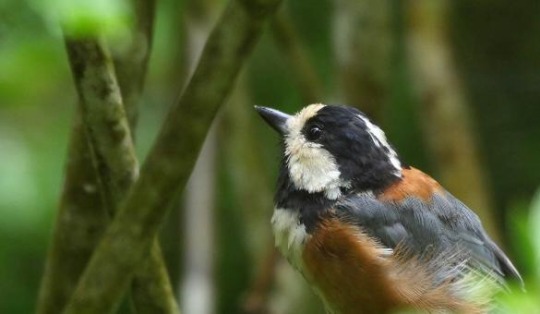
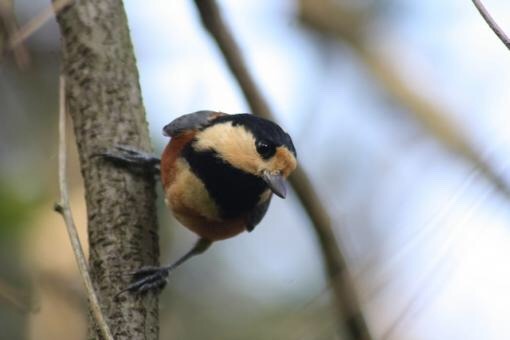
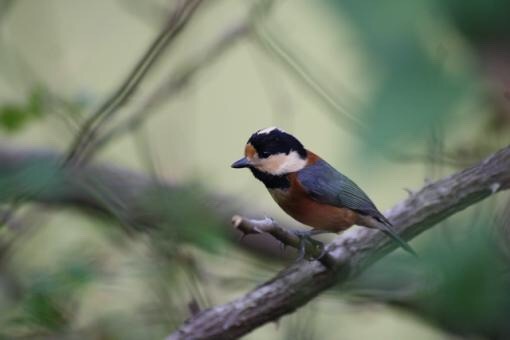
bird of the day: varied tit

the varied tit is a small bird native to parts of eastern asia. similar to north america’s chickadees, the varied tit is a common backyard bird.

the varied tit mainly feeds off of insects and seeds, with berries and fruits occasionally supplementing their diet.

varied tits are monogamous, but have a high divorce rate and frequently pair up with other partners after raising a brood together.

varied tits are commonly regarded as friendly and inquisitive, and have a history of interactions with people. in japan, many varied tits were trained to ring the bell of a little shrine, open the door, remove a fortune, and cut the string binding the fortune with their beaks. they also have a reputation for being willing to take food from human hands.

varied tits’ population has declined in some areas due to habitat loss, but they are still rated ‘least concern’ by the iucn due to a wide range and high population numbers.

image sources: (x)

most people associate parrots with tropical, warm climates. but recently, quaker parrots, also known as monk parakeets, have made new york their home. it’s theorized the large amount of parrots first entered new york as escapees from a pet store shipment, and additions have come from lost or released birds that have joined the flocks – as well as generations of wild breeding. some people love the parrots – there are even tours to see them – though some, like certain power companies, resent them due to their practice of building large communal nests on telephone poles. the parrots are mainly found in brooklyn and long island, but there are scattered populations throughout the state.

source: (x)