

although adult ostriches can live to 60+ years of age, only 15% of ostriches make it to their first year of life. ostrich chicks are small and defenseless, as they don’t yet have the strong kicking abilities used for defense the adults do.
(x)
although adult ostriches can live to 60+ years of age, only 15% of ostriches make it to their first year of life. ostrich chicks are small and defenseless, as they don’t yet have the strong kicking abilities used for defense the adults do.
(x)
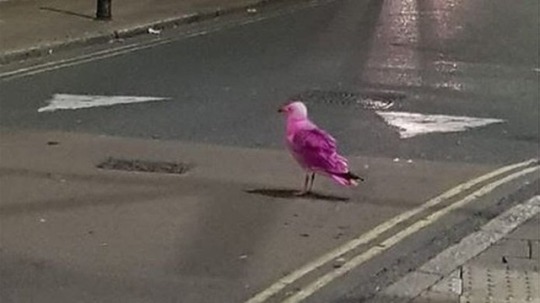
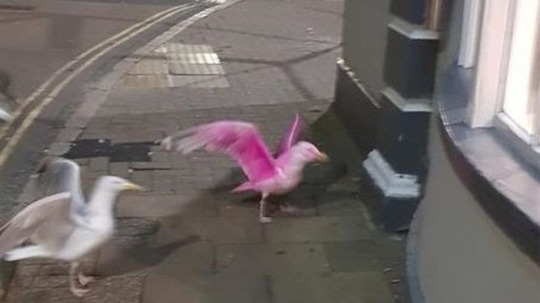
“pinky” the pink seagull has been grabbing attention in devon, england. despite the bird’s bright color, it hasn’t been ostracized by its peers and seems to be doing well. unfortunately, it is believed the seagull was intentionally painted pink as a ‘prank’.
(x)
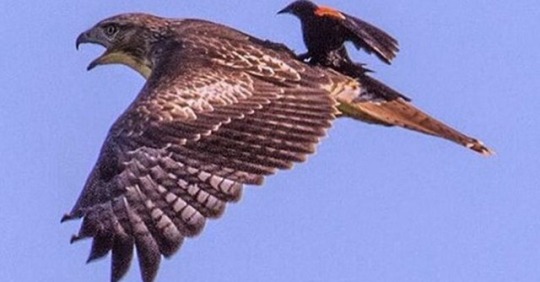
a photographer caught this shot of what appears to be a red-winged blackbird riding on a red-tailed hawk. experts believe the bird was actually driving the hawk away from its territory.
(x)
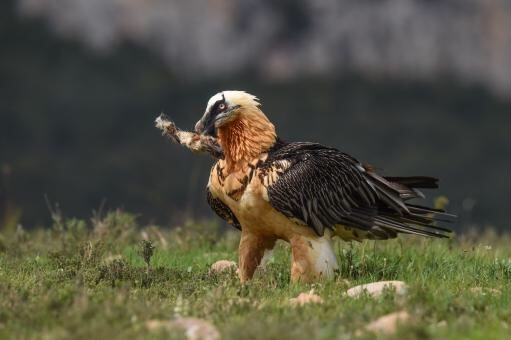
bearded vultures’ diet consists almost entirely of bone – 70-90%. the vultures have incredibly acidic stomachs capable of digesting small bones. for larger bones, bearded vultures fly them up high in the air then drop them, repeating until they have cracked and the vultures can access the marrow.
(x)
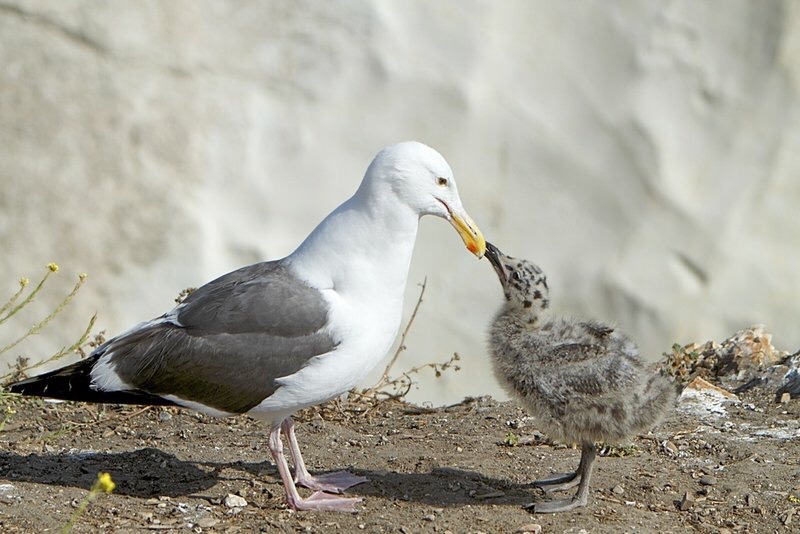
a baby western gull begs its parent for food. gulls are very devoted to their offspring, going out of their way to attack those they perceive as threats; though it has earned them a reputation for being aggressive.
source: (x)

the tufted puffin is a medium-sized seabird in the auk family found throughout the northern pacific ocean.
both male and female tufted puffins have yellow tufts throughout the breeding season. in winter, these tufts are lost, and their plumage becomes a duller color.

puffins have relatively short wings, adapted more for diving than gliding.

tufted puffins form massive breeding colonies, numbering in the thousands, on remote islands to protect their eggs and young from predators. the puffins lay only one egg per breeding season.


tufted puffins feed mainly off of fish, but also feed off of squid or other underwater prey.

the tufted puffin is currently rated as least concern by the iucn, but as of recently, their population size has been decreasing.
image source: (x)

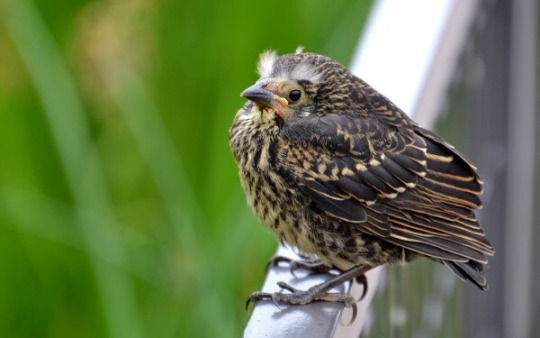
a fledgling red-winged blackbird. these birds hatch naked and helpless, but are ready to leave the nest at 11-14 days of age.
source: (x)

the eurasian magpie is a member of the corvid family, with a large range and familiarity with people in urban environments.
eurasian magpies are highly regarded for their intelligence. magpies have been observed using tools, caching food and remembering its location months later, and recognizing themselves in mirrors. their intelligence has been compared to that of great apes.

some view the magpie’s coloring as bland; as from some angles, it is only black and white, which some find uninteresting. however, in the right light, large patches of the bird’s body are iridescent and appear shades of metallic blues and greens.


magpies were originally known only as ‘pies’, thought to be derived from ‘pied’ in reference to the bird’s markings. ‘mag’ was tacked on in the 16th century as a short version of ‘margaret’, which was not only a name but used to refer to women in general; it was used as a derogatory reference to ‘women’s chatter’. ironically, magpies have fantastic mimicry ability, and have extensive ‘vocabularies’ – they can mimic dogs, birds of prey, wildlife, and even human speech.

magpies feed off of insects, small animals & birds (as well as their eggs), fruit, plant matter, and acorns. in urban areas they sometimes scavenge for human leftovers. some believe magpies decimate local bird populations, but no scientific proof has been found indicating magpies are a major threat to other birds.

magpies are intensely protective of their nestlings, which has sometimes led to them being branded as aggressive or mean. magpie offspring are poor fliers even after leaving the nest, and their parents have good reason to worry; researchers found only 22% of young magpies make it to their first birthday.


eurasian magpies are currently rated least concern by the iucn. they have managed to hang on well even with increasing development; hopefully these smart birds continue to adapt and survive.
source: (x)

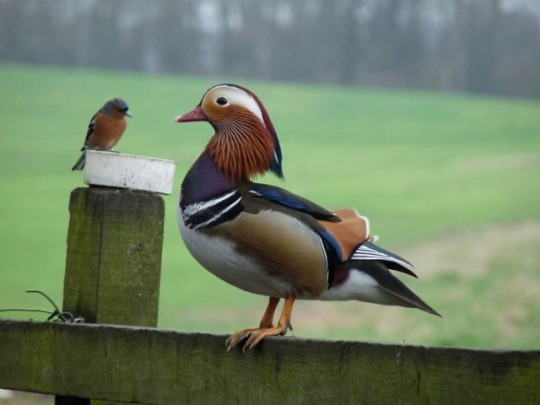


 today's bird