

a male resplendent quetzal helps check on the nesting hollow. resplendent quetzals are raised by both parents – in fact, when the chicks are nearly grown, the female tends to abandon them and leave the rearing of the chicks up to the male.
(x)
a male resplendent quetzal helps check on the nesting hollow. resplendent quetzals are raised by both parents – in fact, when the chicks are nearly grown, the female tends to abandon them and leave the rearing of the chicks up to the male.
(x)
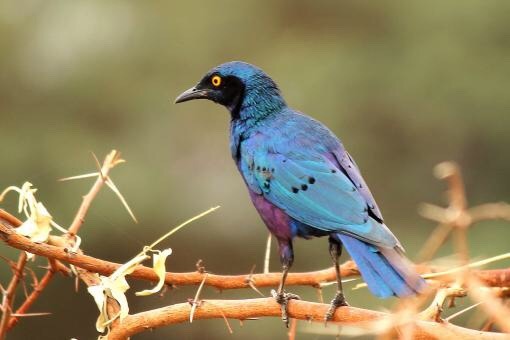
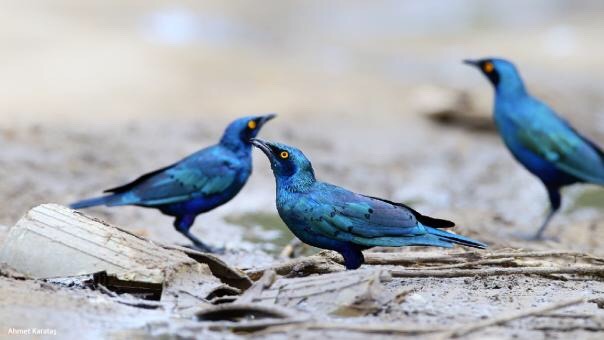
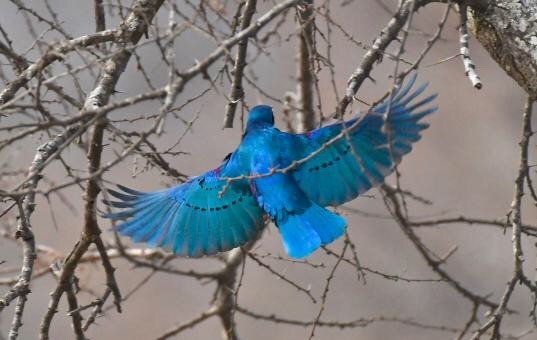
the greater blue-eared starling is a large species of starling native to africa. unlike some other starlings, males and females share the same iridescent blue-green plumage.
(x)

a close up on the southern cassowary. cassowaries are one of the largest birds in the world (reaching over six feet tall), and are native to australia.
(x)
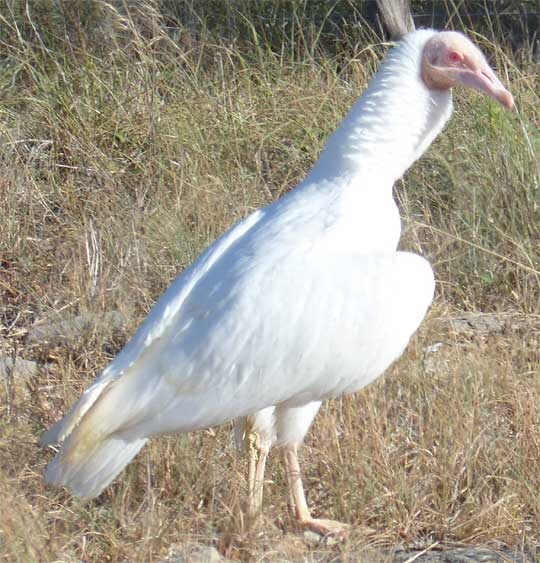
a rare albino black vulture that was spotted in texas. albino birds rarely make it to adulthood, due to being easy targets for predators. since black vultures mainly feed off of carrion, it’s life is likely easier than that of an albino bird that hunts for its food, as it isn’t blatantly visible to its prey.
(x)
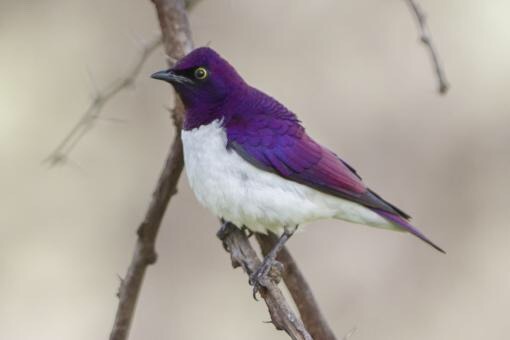
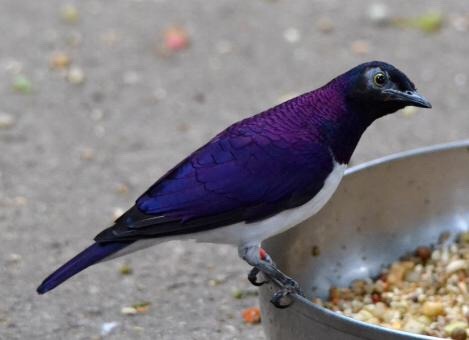
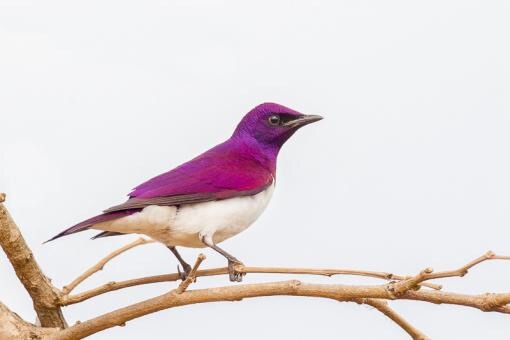
the violet-backed starling is a member of the starling family, native to africa. males’ uppersides are iridescent, displaying as deep purple or pinkish purple depending on the light.
(x)


a feral blue-crowned conure in gulfport, florida sits alongside more typical backyard birds at a feeding station.
(x)
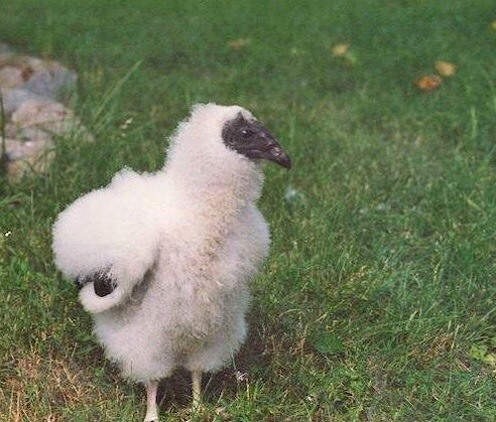
a fluffy baby turkey vulture. turkey vultures have very unusual nesting behavior – they make pits inside of tree trunks, sometimes over a foot deep.
(x)
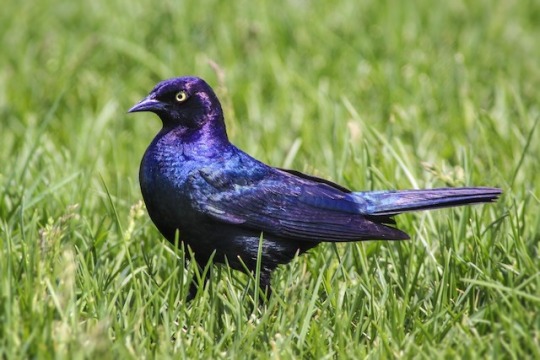
a male brewer’s blackbird is caught in the light in the right way to show off his iridescent plumage. brewer’s blackbirds display as a shiny black most of the time, but when proper lighting hits their feathers they are iridescent. these birds are native to north america and mexico.
(x)


the great blue turaco is the largest member of the turaco family, and is easily recognizable due to their crest and bright blue coloration. great blue turacos are native to africa, and feed off of berries, fruits, and insects.
(x)
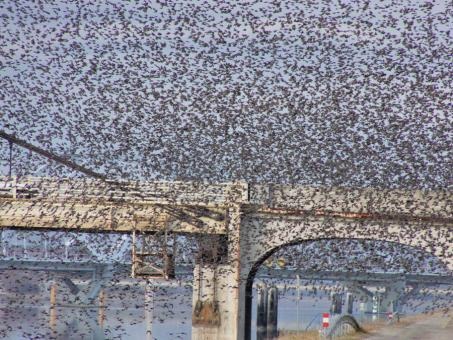
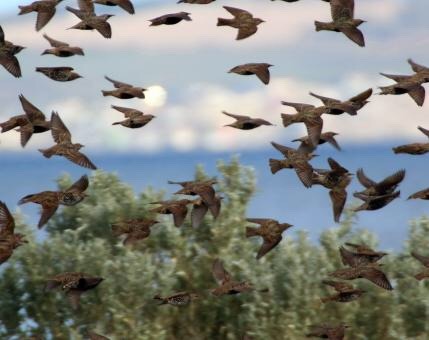
while european starlings typically stay in a flock throughout the year, in the winter flocks combine to form murmurations, groups of birds that can number in the thousands. there are several reasons for this, including making it difficult for predators to attack & grouping together for warmth.
(x)
 today's bird