


the distinct blond-crested woodpecker is native to south america. like other woodpeckers, they feed mainly on insects, and build their nests in tree cavities.
(x)
the distinct blond-crested woodpecker is native to south america. like other woodpeckers, they feed mainly on insects, and build their nests in tree cavities.
(x)
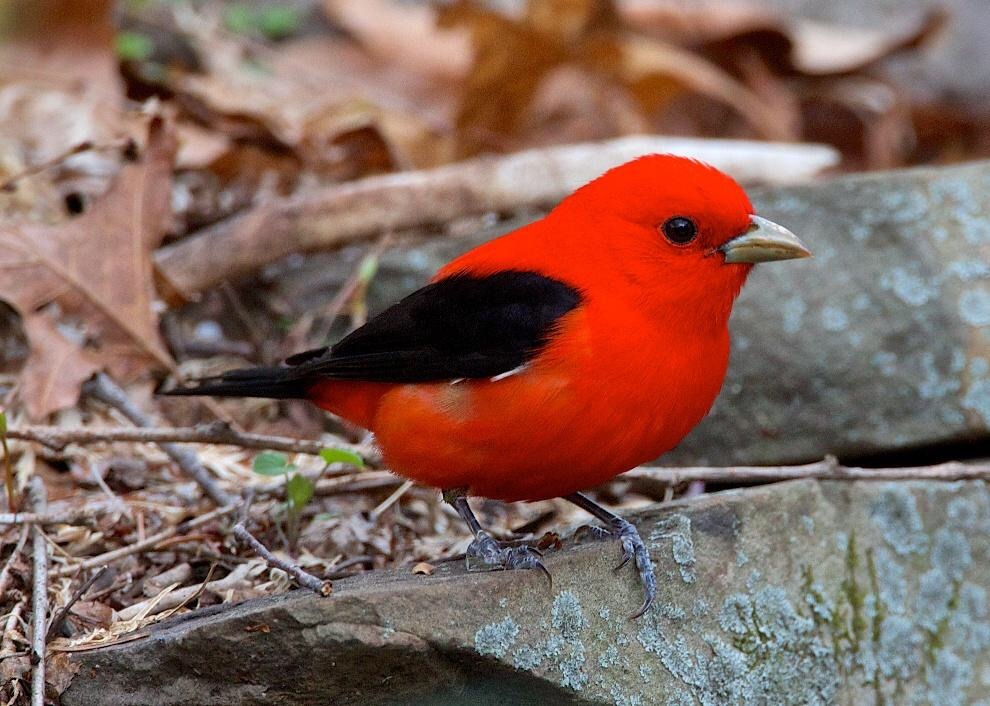
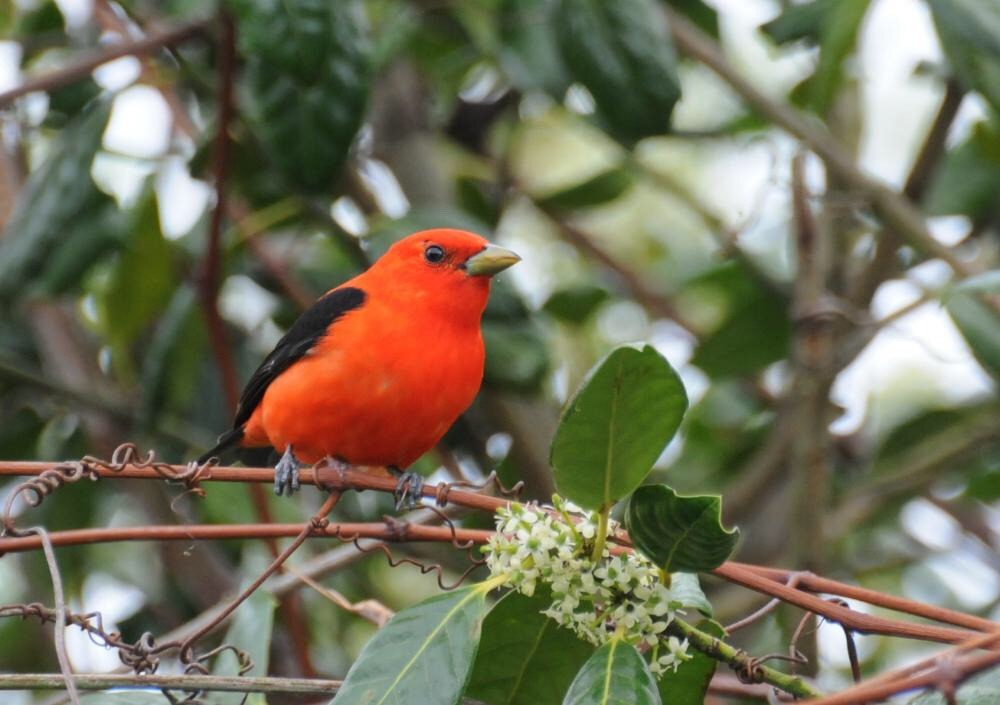
the scarlet tanager is a small, brightly colored member of the cardinal family native to north america. in winter, males and females look very similar, but in spring males molt into brilliant red plumage.
(x)


closeups on a white-throated magpie-jay, a member of the corvid family that is native to central america.
(x)


the steller’s jay is a member of the corvid family & close relative of the blue jay that is found throughout the western united states.
(x)
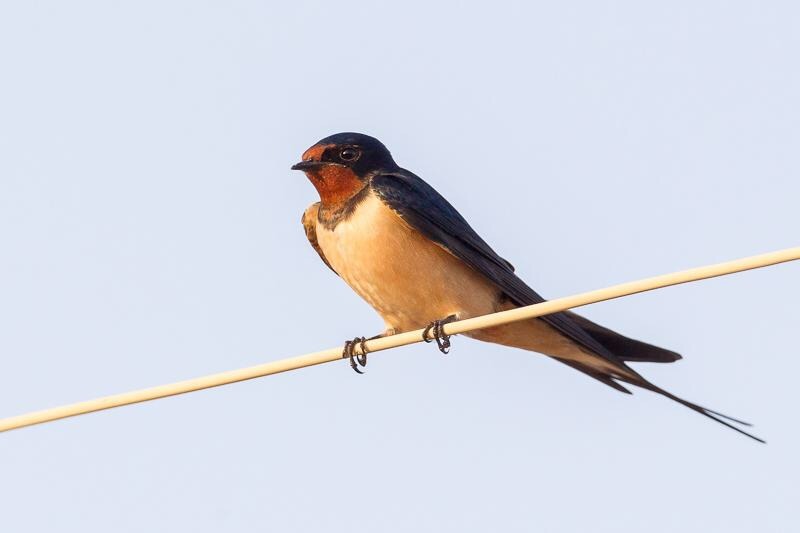
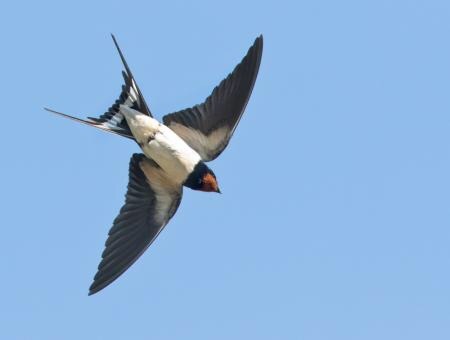
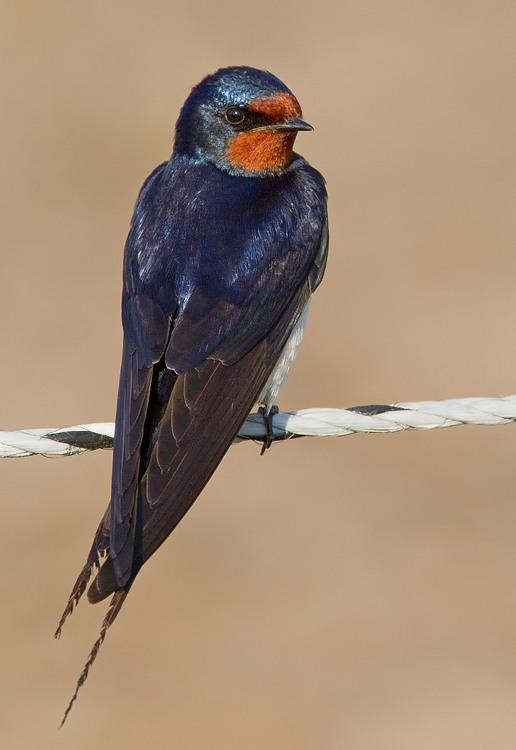
the barn swallow is a small bird native to every continent except for australia and antartica. barn swallows are named for their tendency to nest in abandoned or open human structures like barns.
(x)


the snow pigeon is a large member of the pigeon & dove family (columbidae) that is native to central asia. the snow pigeon is easily distinguished from the familiar rock dove by their dark head and body markings. their name originates from them typically being found in snowy regions like the himalayas.
(x)

the western meadowlark is a medium-sized passerine bird (about the size of an american robin) native to western and central north america, along with an introduced population in hawaii.
the western meadowlark is well-known for its distinct song, which is described often as ‘flute-like’ and/or ‘like dripping water’.

the majority of this bird’s diet is insects, but they will also eat seeds and berries.

western meadowlarks nest on the ground, and build a roof of woven grass over their nests. unfortunately, in suburban areas this puts the young and eggs at risk from lawnmowers and foot traffic.

western meadowlarks are currently rated ‘least concern’ by the iucn.
source: (x)


the ice pigeon is a fancy pigeon breed that was created several hundred years ago – charles darwin contributed to breeding color variants of the pigeon. they are named for their plumage, which appears ‘icy’ under light.
(x)
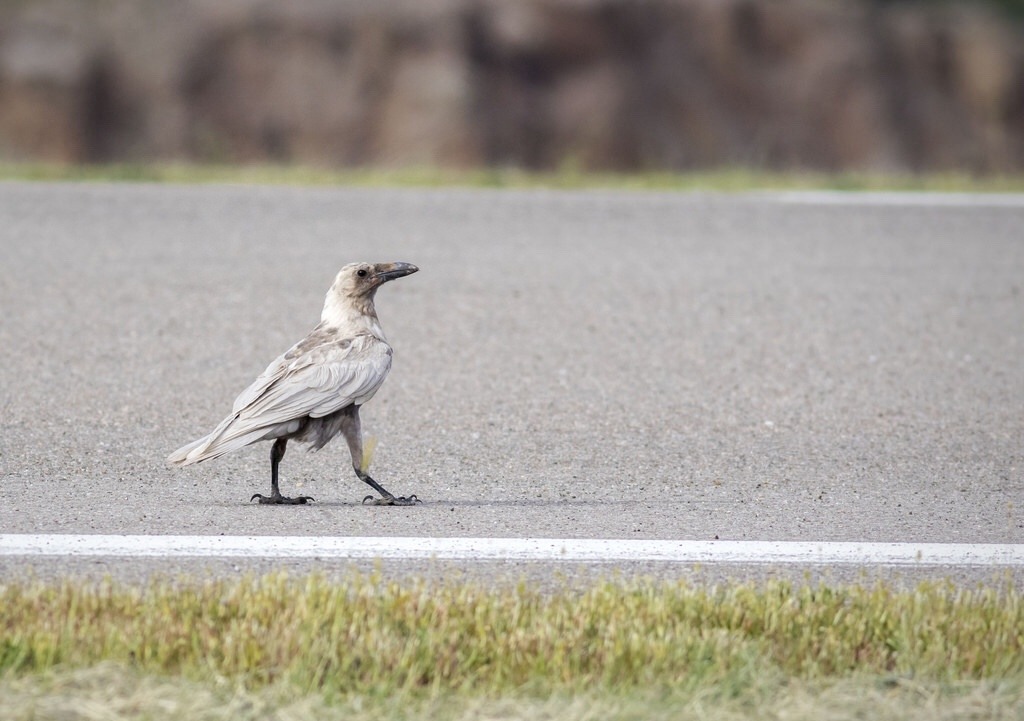
a leucistic common raven going for a stroll. while usually leucism (a reduction in pigmentation) presents as a few white feathers in ravens and crows, they can also be overall paler like this bird.
(x)


an american goldfinch feeds on thistle seeds, one of their primary food sources. goldfinches’ diet is mainly seeds – enough that brood parasites like cowbirds usually die from malnutrition if they hatch in goldfinch nests.
(x)
 today's bird

