the malayan banded-pitta is a bird native to a small range in asia including thailand. the pitta is known for its colorful plumage, something it shares with other members of the pitta family. they feed mainly on insects and arachnids, foraging on the ground.
superb fairywrens are a small species of bird native to parts of asia and australia. male superb fairywrens have bright blue highlights during breeding, while juveniles and females are plain brown. male fairywrens court their mate by offering them yellow flower petals.
the yellow-throated sparrow is a small passerine bird native to middle-eastern asia. yellow-throated sparrows differ from most sparrows by their thinner, pointed beak.
yellow-throated sparrows are sexually dimorphic. females have either a very small amount of yellow on the throat or none at all, and they lack the chestnut shoulder patches.
these sparrows feed off of grains, seeds, fruits, insects, nectar, and berries. they also enjoy some flower petals, and are sometimes seen with pollen covering their heads.
the yellow-throated sparrow is relatively common and is rated least concern by the iucn.
the snow pigeon is a large member of the pigeon & dove family (columbidae) that is native to central asia. the snow pigeon is easily distinguished from the familiar rock dove by their dark head and body markings. their name originates from them typically being found in snowy regions like the himalayas.
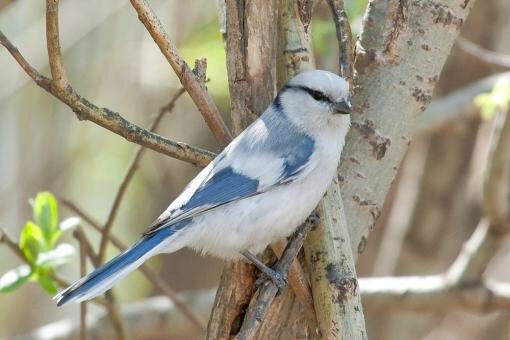
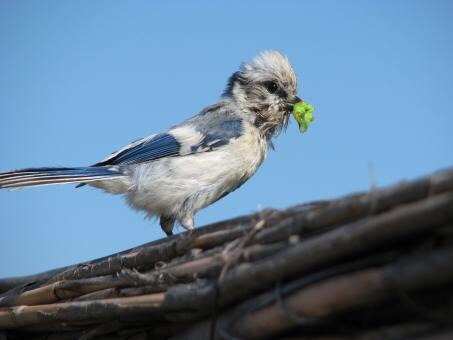
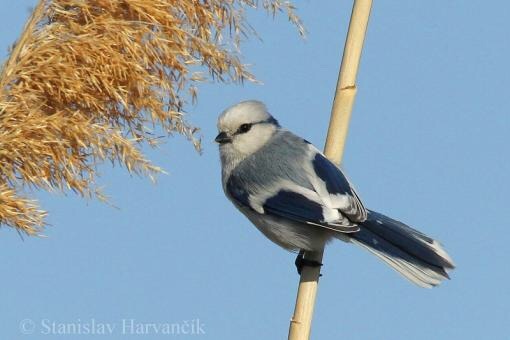
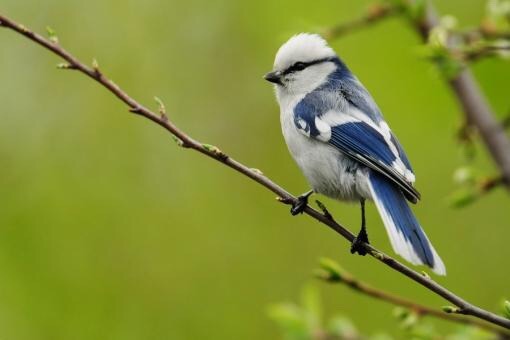
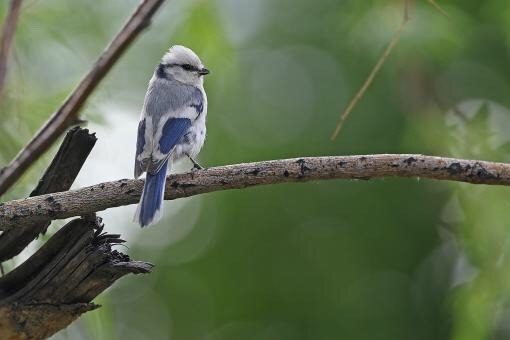
the azure tit is a small passerine bird native to russia and parts of central asia.
the azure tit is mostly insectivorous, showing a preference for moths and caterpillars. they also eat seeds and berries.
males and females have similar plumage. this bird is monogamous, and while they form flocks, they will be devoted to their mate.
the azure tit lives in mixed scrubland, woodland, and marshes. they generally do not migrate.
the azure tit is known to hybridize with similar species throughout its range. one of these hybrids, between the azure tit and eurasian blue tit, was so common it was thought to be its own species.
the azure tit is currently rated least concern by the iucn, as despite some habitat loss, their population numbers are high.
the great hornbill is one of the largest members of the hornbill family, and is native to parts of southeastern asia.
great hornbills are black, white, and yellow. the feathers on their wings are not naturally yellow; they are stained yellow by oil from the bird’s preen gland. females and males are differentiated by a few different methods. males are larger than females, and have a red iris, while females have a whitish-blue iris.
great hornbills feed off of fruit, berries, insects, and small mammals, reptiles, and birds. they eat by tossing their food up in the air, then catching it and swallowing it.
great hornbills are monogamous and form strong pair bonds. this has made captive breeding next to impossible for the species. in the wild, hornbills May form a small flock, but still show more attention towards their partner than other birds.
the great hornbill is listed as ‘near threatened’ by the iucn. their population is mainly affected by habitat loss.
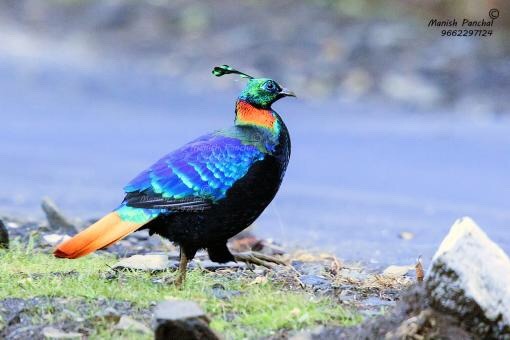
the himalayan monal is a colorful species of pheasant native throughout southern asia. they are the national bird of nepal.
like most other pheasants, the himalayan monal is sexually dimorphic. along with the male being larger than the female, they have a very different coloration. males have a black underside with varying shades of purple, blue, green, and orange on their upper half, while females are mainly brown.
this bird feeds mainly off of berries, plant matter, and insects, which it forages for on the ground.
this bird mainly lives in pairs, though in the winter, they form communities to feed and roost together.
while the himalayan monal is currently rated ‘least concern’ by the iucn, there are some threats to their population. the biggest one is hunting. the male’s crest is believed to bring status to its wearer, and is used as a symbol of authority, which has led to poaching of the pheasant.






 today's bird
