| Shaba, the proxy matriarch, teaches all the babies to browse in the
wild. After her mother was killed by poachers, Shaba was brought to
Reteti Elephant Sanctuary (@r.e.s.c.u.e)
in 2016. Initially wary of the keepers, Shaba is now an instrumental
part of the sanctuary, helping to keep order, teaching the young ones
how to navigate steep paths and greeting new orphans with a heartfelt
and emotional hello. Shaba guides her fellow elephants as they adapt to
life at the sanctuary in addition to helping teach the keepers how to
better care for their charges.Reteti Elephant Sanctuary (@r.e.s.c.u.e)
is the first ever community-owned and run elephant sanctuary in
Africa. Reteti operates in partnership with Conservation International (@conservationorg who provide critical operational support and work to scale the community-centered model to create lasting impacts worldwide.
Learn more about how you can get involved and help support this vital initiative by following
the western capercaillie is the largest member of the grouse family, and is found throughout europe and asia. capercaillies show extreme sexual dimorphism – while males and females can be differentiated by color, the male is also two times the size of the female. capercaillies feed on leaves, buds, berries, seeds, and insects, foraging on the ground.
the willow ptarmigan is a member of the grouse family found in europe, canada, and alaska. willow ptarmigans are named due to their preference for living in forests of willow trees; the buds of the willow trees form a large part of their diet, particularly in winter. ptarmigans shape and ‘landscape’ shrubs by eating all the buds on the lower branches within their reach. in the warmer months, ptarmigans are brown and white, and during the winter they molt to completely white plumage. males and females can be distinguished by the red wattles above the eyes, which only the males have.
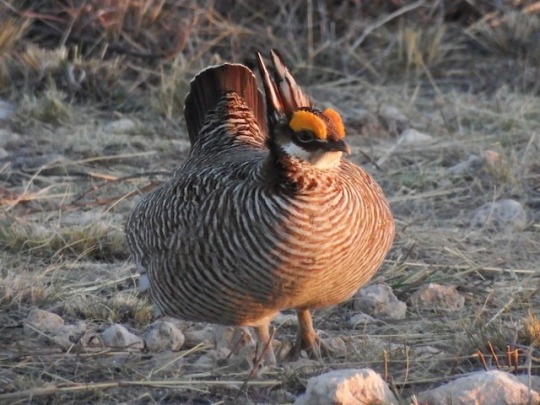
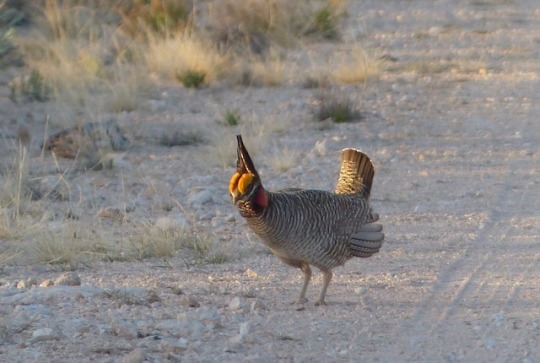
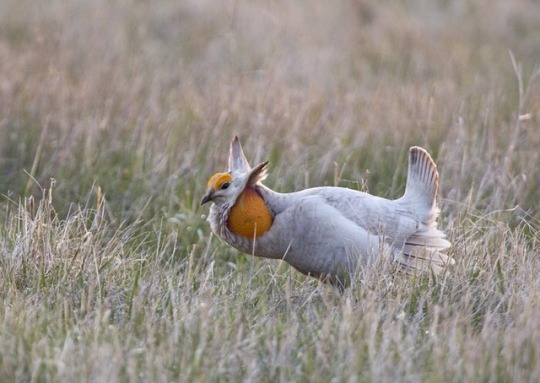
the lesser prairie chicken is, despite its name, a member of the grouse family that is native to north america. it lives in a fraction of its former range, impacted by habitat loss, hunting, and climate change.
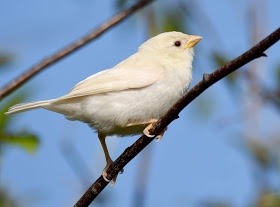
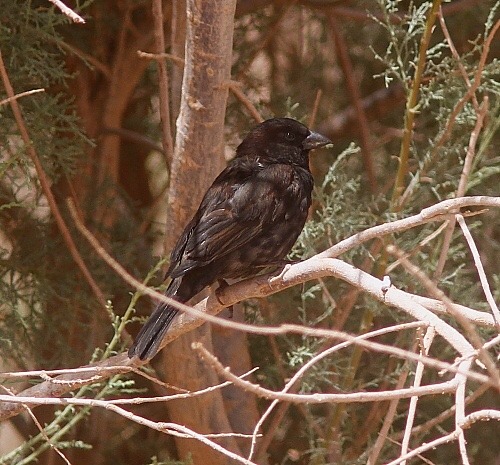
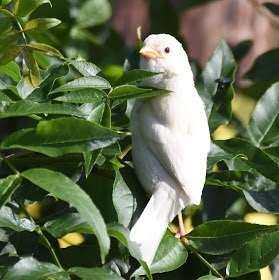
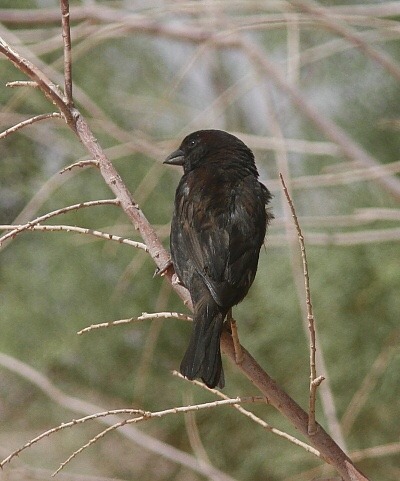
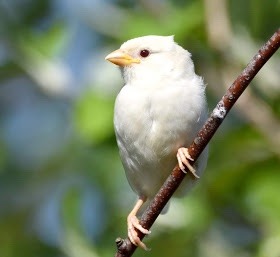
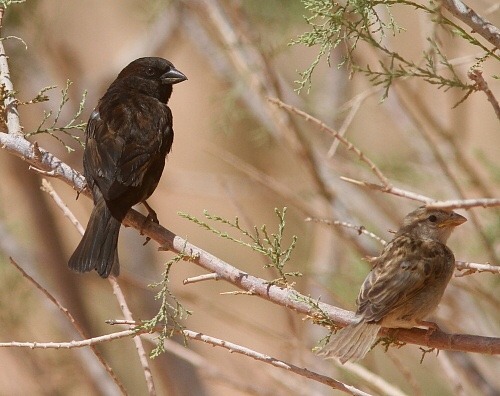
side-by-side comparisons of an albino house sparrow and a melanistic house sparrow. albinism results from a lack of the pigment melanin, and melanism results from an overproduction of that pigment.
mitred conures are native to south america, but in the early 2000’s they established themselves in california. it’s uncertain how the birds arrive – theories range from a pet store fire that led to escaped birds to a dropped wild bird shipment in an airport – but it seems they are here to stay, as their numbers have rose from 50 in 2000 to 200-300. the biggest populations of the birds are in san francisco and los angeles. the birds even starred in the documentary “the wild parrots of telegraph hill”. there has been little evidence to show impact on native species (the conures tend to feed off of nonnative plants), and they are well loved by many locals.
a leucistic greater prairie chicken. normally these birds are barred grayish-brown. leucism is a reduction in different pigments, not just melanin, that causes either an overall paler look or pale splotches (“pied”). greater prairie chickens are found in north america, though in only a fraction of their former range.





 today's bird