Pictured above: Budgerigar (Melopsittacus undulatus), adult male
Today’s post is all about one of the little guys: the budgie! The budgerigar, or
Melopsittacus undulatus, is the world’s third most popular pet after cats and dogs. Also often referred to as a parakeet, the budgie comes in a wide variety of colors and patterns. In their native habitat of Australia, however, you can only find them in their normal green pattern (pictured above).
Budgies have been bred in captivity and thus have produced a variety of different genetic combinations resulting in many different phenotypes. Some examples of budgie pattern morphs include lutino, albino, pied, opaline, and spangle.
Pictured below: Albino budgie (left) and lutino budgie (right), pied budgie, in that order.
Budgies come in a variety of different colors as well. They have been bred to come in nearly every color you could imagine, excluding red.
Pictured below: A flock of captive budgies in a variety of colors.
Another interesting piece of genetic diversity among budgies would be the difference between American ‘pet-type’ budgies and English ‘show’ budgies. English budgies are often larger than American budgies and have very fluffy caps/faces.
Pictured below: An American budgie (left) and an English budgie (right).
No matter the color, pattern, and size of your budgie, remember that all budgies are amazing little guys and just as important as any other parrot. Appreciate them!
Today, I’ll be asking everyone what their favorite budgie morph is. Go ahead and give this post a reply!
(My favorite is a lutino budgie. They are cute little bananas.)
personally, i find the “rainbow” spangled utterly stunning.
(photos from kabirbirds.blogspot.com, tailfeathersnetwork.com, and puppiesareprozac.com)
however, i’m also a sucker for any variation of white and blue or white and violet.
(photos from puppiesareprozac.com)
with that being said, budgies are super awesome birds regardless of appearance!
Did a post-berry doodle of Ari. Also one of when she held onto a piece of paper tied to the cage bars with both feet.I’m liking this style
Bonus Blackberry Beard
psa: cat saliva is toxic to birds.
many people don’t understand just why cat attacks are so deadly to birds. even if the bird receives what looks like a minor cut, cat saliva is extremely deadly to them and will poison them if it enters the bloodstream. even a scratch from a claw instead of a bitemark can kill them, as cats coat their claws in saliva when they clean their feet. if you find a bird that has been attacked by a cat, please bring it to a wildlife rehabber even if it seems “okay”. if your bird has been attacked by a cat, please bring it to an avian vet ASAP. it’s better to be safe than sorry!
I’d just woken up so I look like ass; but this is what Dallon does every morning after I feed everyone and clean their water.
Must give birb scritches.
todays bird is: this chicken! [thank you to gullaxy for your submission]


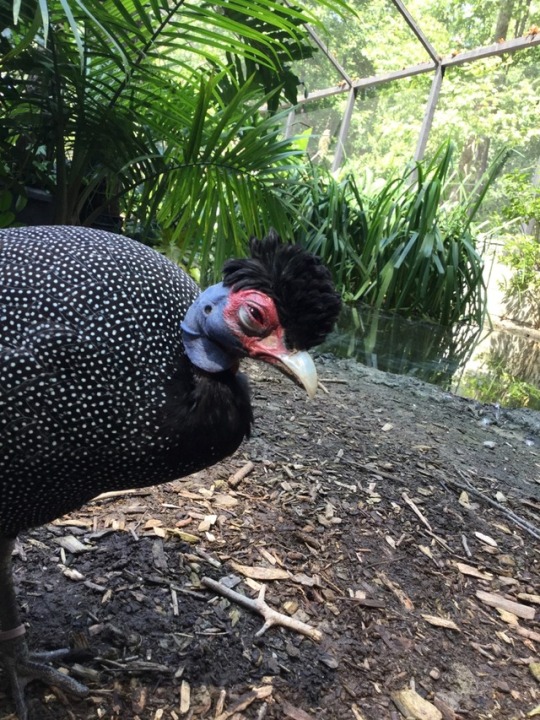
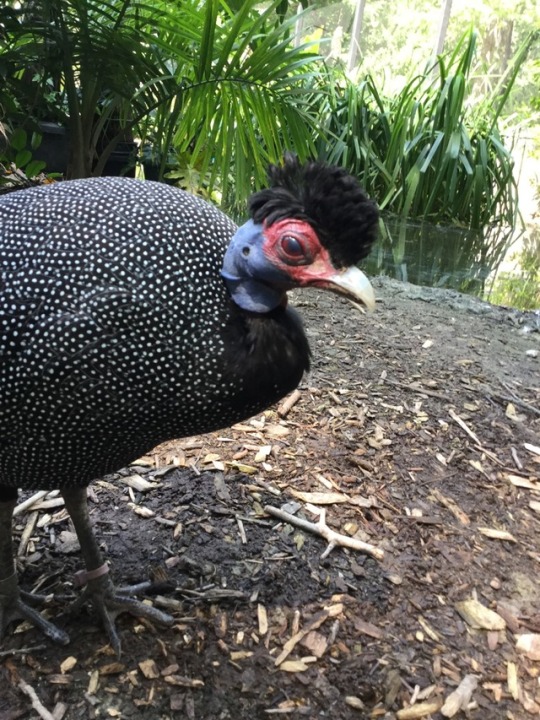


 today's bird