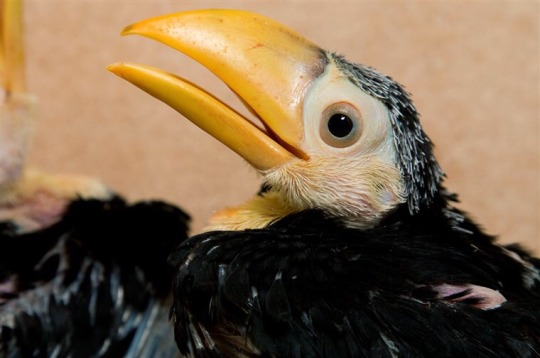
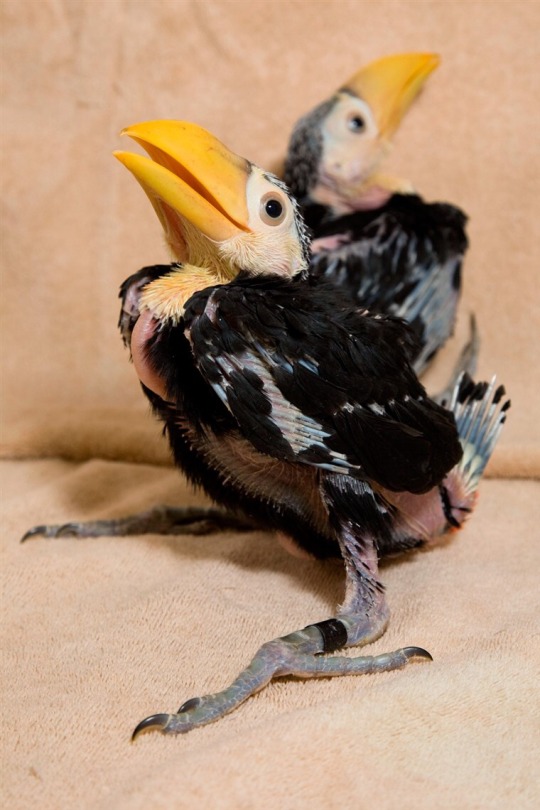
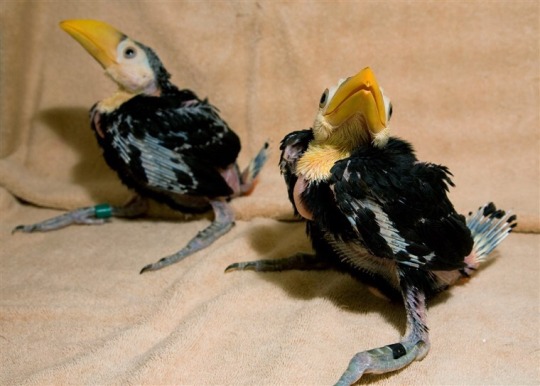
baby toucans are just. beaks and feet with a side of body. they look like if someone gently rested half of a banana on top of a birds face, made the birds toes 90% larger, and called it a day
When I saw these pictures I was so delighted that I actually made a squealing sort of sound that can be approximated as “heee hee hee HEEE hee hee HEEEEEEEEE!!!!!”
Today marks the 115th anniversary of the creation of the first national wildlife refuge at Pelican Island in Florida and the birth of the national wildlife refuge system. From Maine Coastal Islands National Wildlife Refuge on the Atlantic to Midway Atoll National Wildlife Refuge in the Pacific, over 550 wildlife refuges – many of them close to urban centers – protect an incredible array of wildlife and landscapes. Find a refuge near you. Photo of Back Bay National Wildlife Refuge in Virginia by Heather Bautista (www.sharetheexperience.org).
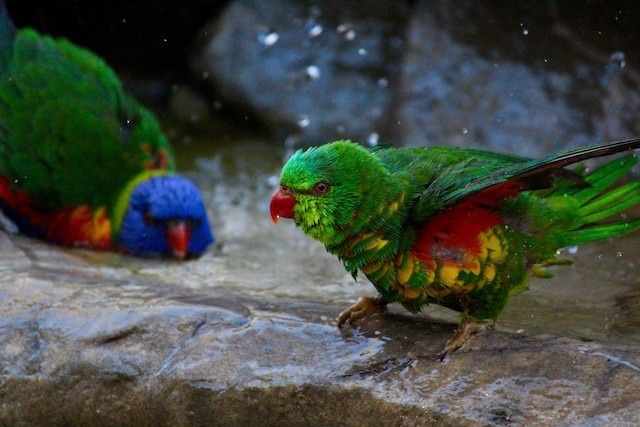
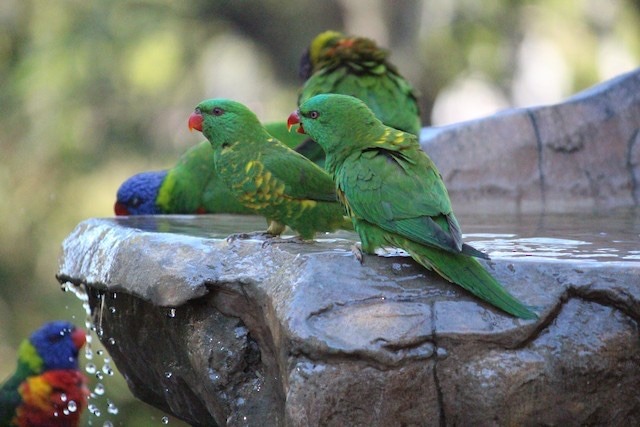
a mixed flock of scaly-breasted lorikeets and rainbow lorikeets shares a drink. although they are seperate species, they are closely related and often socialize together, sometimes hybridizing. they are both native to woodlands in australia, where they feed on nectar and fruit and nest in tree cavities.
Hey guys I don’t mean to be a walking advertisement or anything but I made these pins for bird lovers and I think they’re hilarious. I totally recommend them for you or the bird lover in your life! Christmas is coming!
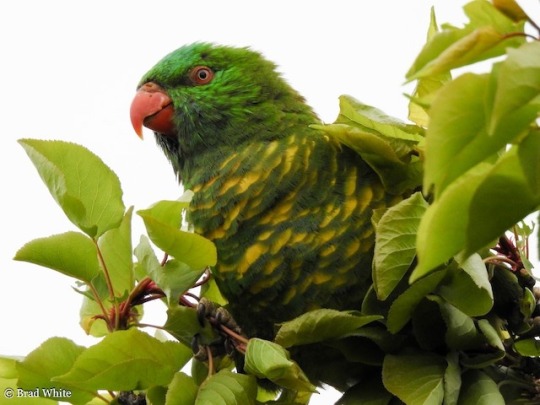
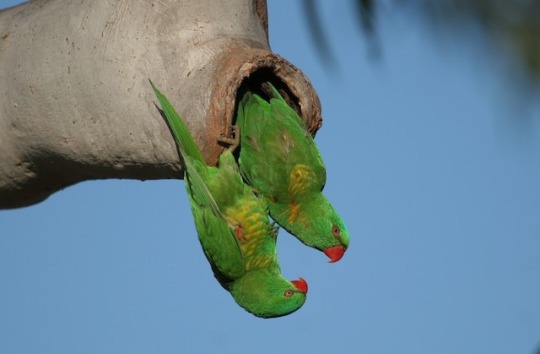
the scaly-breasted lorikeet is a medium-sized parrot native to woodlands in australia. they are named for their chest patterning; yellow feathers edged with green, which appear similar to scales. like other lorikeets, they feed mainly on nectar using their specialized tongues, along with pollen, blossoms, buds, fruit, and insects. they live in flocks, sometimes mixing with other lorikeets, and build nests in tree cavities.
the faverolles (pronounced with a silent s) is a heavy breed of chicken developed in france. once used for meat and egg production, the faverolles is today primarily bred for show, with many color varieties. faverolles are a large chicken that are known for their calm disposition and friendliness. some of their indentifying characteristics are their build, muffs, and feathered legs.





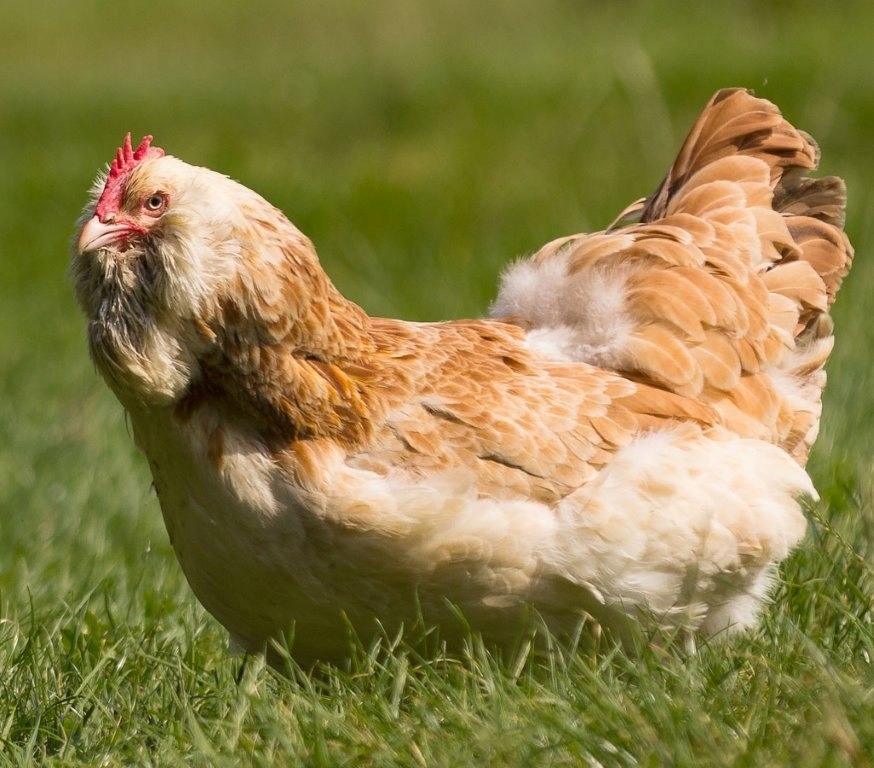
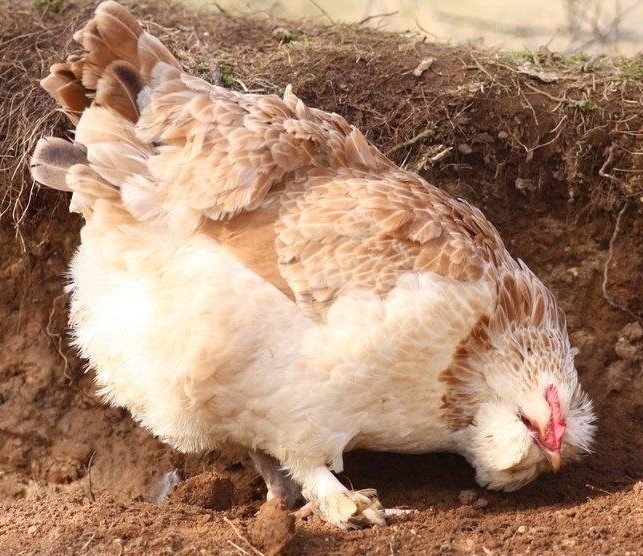
 today's bird