sure – what exactly do you have in mind? like, intelligence highlights, or photos, or what?
just put up the camera & foraging toy! the first one is very easy – i have no doubt they’ll use it. it’s a wooden block with holes and grooves to remove treats from – something that some of my backyard birds like nuthatches already have mastered by removing insects from bark. i just kinda want to introduce the toys slowly, give them practice, and make them feel successful so they aren’t immediately discouraged if they can’t figure out a complex toy on the first try. they seem a little wary about it so it may take a few days to post results!

Today’s bird: West Mexican Chachalaca


though many of us consider budgerigars just as domestic as a cat or dog, they have retained many of their wild traits – some escaped or released pet budgies have even formed their own feral colonies. in the wild, budgies mainly eat grass seeds, and forage in grasslands. they are highly social, and travel in large flocks, sometimes numbering in the thousands.
(x)
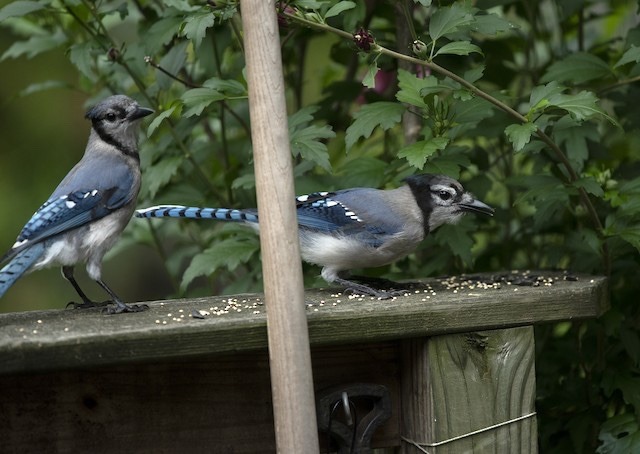
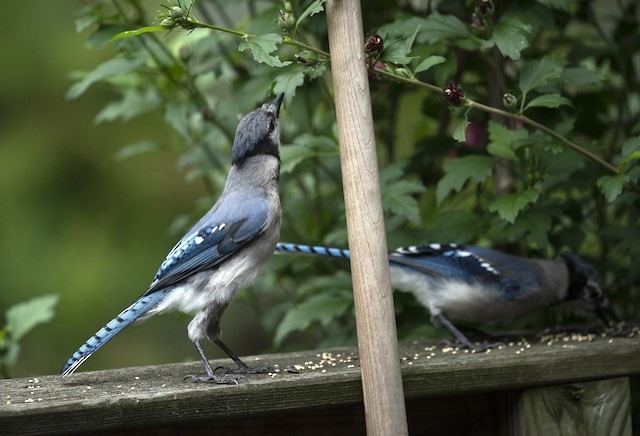
two blue jays investigate a feeding station. native to north america, blue jays are a member of the corvid family, which also includes crows and ravens. the corvid family is known for thee intelligence and recorded tool use in several species.
(x)


This kestrel, named Kezzy, was found by a little girl in the middle of a lawn, likely dropped there accidentally by a predator. Kezzy was taken to The Wildlife Orphanage in the UK where she was hand fed and and matured into the lovely adult in the bottom image.


a member of the cardinal family, the pyrrhuloxia is native to the southwestern u.s and northern mexico. their beak, large for a cardinal, is used to crack hard-shelled seeds, which along with insects and cactus fruit make up their diet.
(x)
 today's bird