something that’s super cool about birds is that a bird’s name can mean something totally different to different people. because usually when we talk about birds, we shorten their names (calling a bluebird a bluebird, instead of a eastern/western/mountain bluebird)
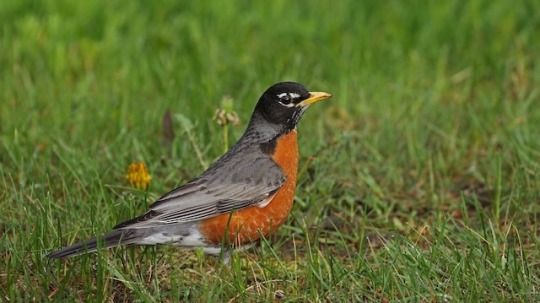
so, for me, someone who lives in north america, the word ‘robin’ would most likely make me think of the american robin:
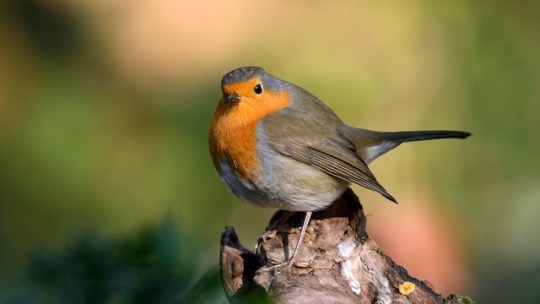
for someone who lives in europe, it’s likely the very different european robin:
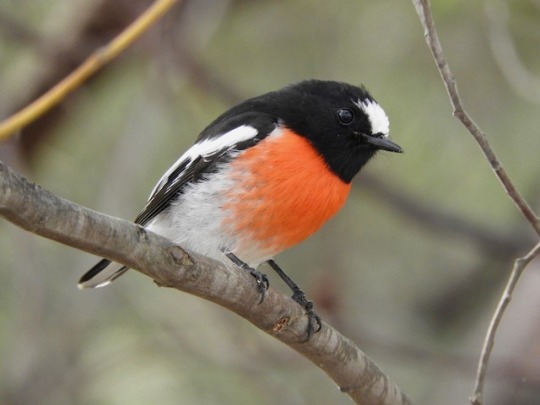
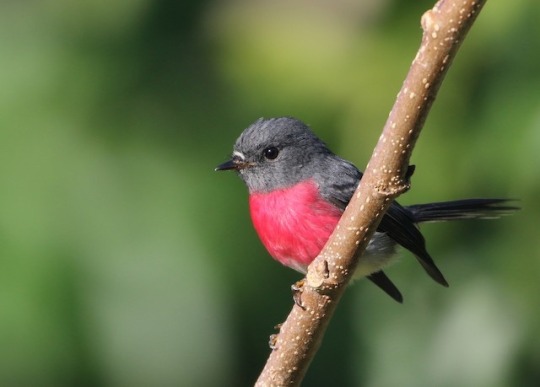
if you’re from australia, there’s very many species called ‘robin’; maybe you’d think of a scarlet robin or rose robin
it’s so cool to see how different we all visualize words like ‘stork’ or ‘parrot’ or even ‘bird’!
Why does the rest of the world have such cute, round, colourful birds but we just have all these tall, lanky, dull birds. Like Bluejays and Cardinals are nice and all but I bet they still look better somewhere else in the world. Hell we have grey pigeons and everyone else gets colourful as shit pigeons and chicken sized pigeons. It’s crazy
what!! no, north america has AWESOME birds! and we have plenty of cute round birds too!
something that’s super cool about birds is that a bird’s name can mean something totally different to different people. because usually when we talk about birds, we shorten their names (calling a bluebird a bluebird, instead of a eastern/western/mountain bluebird)
so, for me, someone who lives in north america, the word ‘robin’ would most likely make me think of the american robin:
for someone who lives in europe, it’s likely the very different european robin:
if you’re from australia, there’s very many species called ‘robin’; maybe you’d think of a scarlet robin or rose robin
it’s so cool to see how different we all visualize words like ‘stork’ or ‘parrot’ or even ‘bird’!
In thailand, this is a robin:
the variance between shared regional common names is pretty fascinating! Also, the Australian robins are really stunning * 0*
Yes! Which is why we have scientific names! The same for all species, but I find birds and trees usually vary the most regionally! It’s fun to learn what people consider a thrush or a poplar! And then we can fall back on the good old Latin!
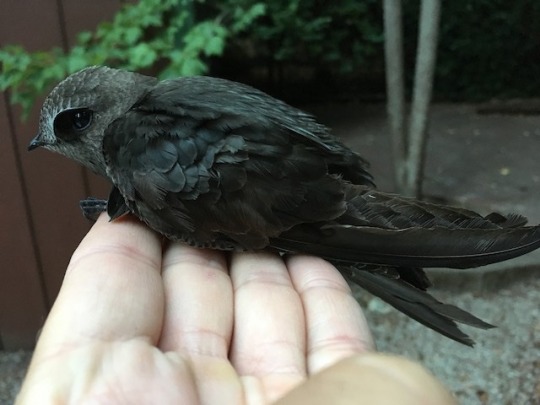
a rare closeup of a black swift, found throughout north america and small parts of south america. swifts are rarely seen up close; they spend more of their life in air than any other species of bird – they eat, drink, mate and sleep while in flight. they are incapable of perching like other birds; they must cling to vertical surfaces.
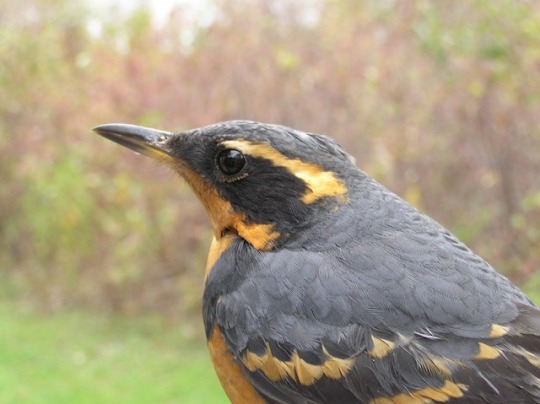
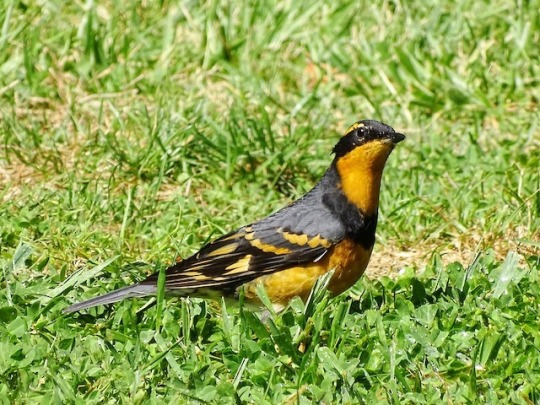
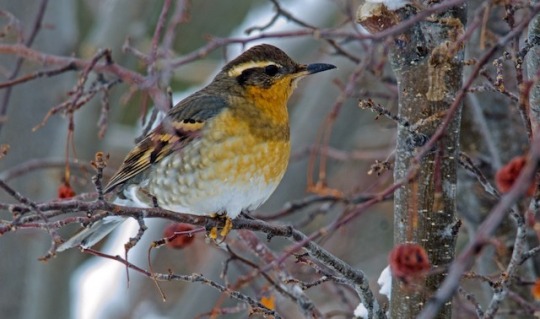
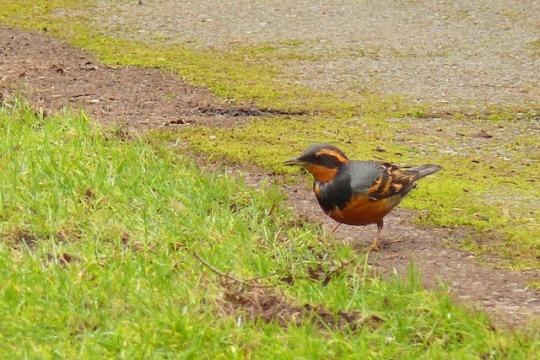
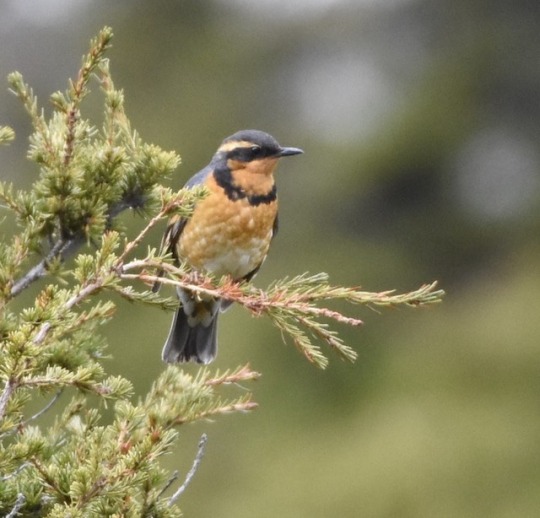
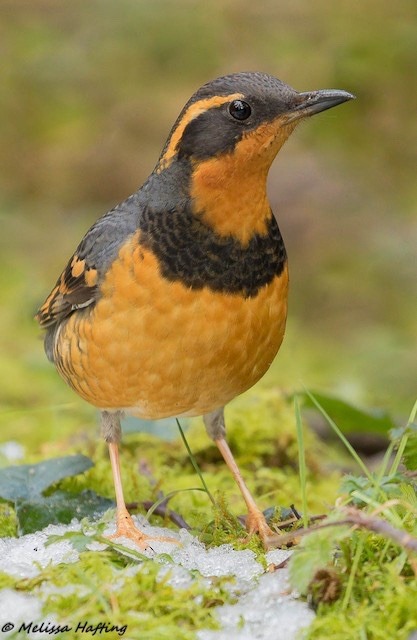
a member of the thrush family, and closely related to the american robin, he varied thrush is native to north america.
male and female varied thrushes both feature their distinct orange plumage, but it is paler on the female. females have duller plumage that’s more gray than black.
these thrushes feed mainly off of insects they find foraging on the ground. they also feed on berries and occasionally seed and other plant matter.
varied thrushes mainly live in coniferous forests. cup-shaped nests are built in tree branches, and 3-5 eggs are laid.
the varied thrush is currently common and rated ‘least concern’ by the iucn.
black-capped chickadees are small north american birds that are a part of the tit family. chickadees are known for their boldness and adaptability, and they have become common in suburban backyards, sometimes accepting food from trusted hands. chickadees eat seeds, insects, and berries, and often hang upside down to reach their food.
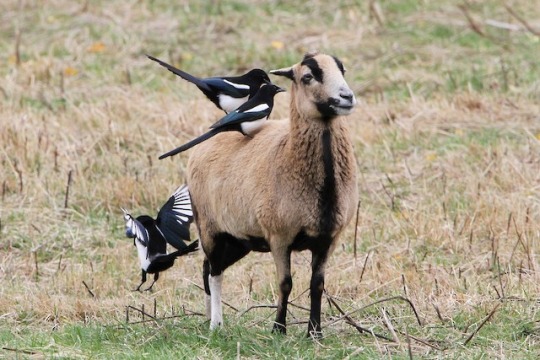
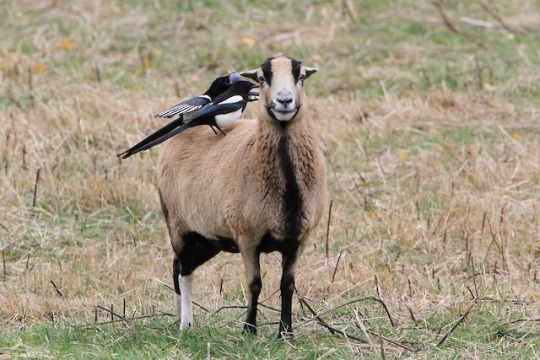
a flock of black-billed magpies, native to western north america, perch on a sheep. this behavior is noted in many corvid species, and is typically done so the birds can eat ticks off of the animal’s body, making it mutually beneficial for the birds and the sheep.
something that’s super cool about birds is that a bird’s name can mean something totally different to different people. because usually when we talk about birds, we shorten their names (calling a bluebird a bluebird, instead of a eastern/western/mountain bluebird)
so, for me, someone who lives in north america, the word ‘robin’ would most likely make me think of the american robin:
for someone who lives in europe, it’s likely the very different european robin:
if you’re from australia, there’s very many species called ‘robin’; maybe you’d think of a scarlet robin or rose robin
a rare closeup of a black swift, found throughout north america and small parts of south america. swifts are rarely seen up close; they spend more of their life in air than any other species of bird – they eat, drink, mate and sleep while in flight. they are incapable of perching like other birds; they must cling to vertical surfaces.
it’s believed they take power naps while riding thermals. it’s also possible that they let one half of their brain rest and let the other stay awake; several other species of birds are capable of doing this.





 today's bird